
Sila begins manufacturing at Moses Lake plant
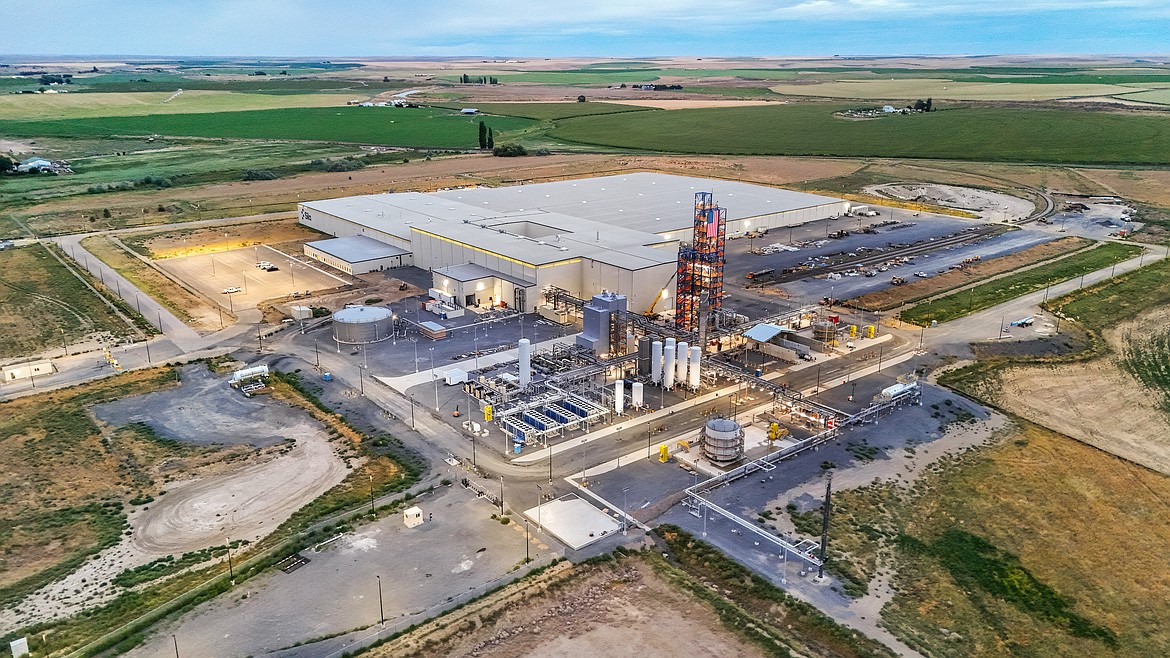
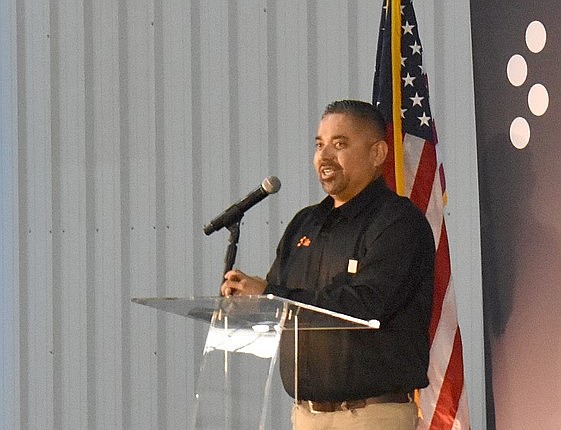
MOSES LAKE — The building is completed and staff are on-hand at the Sila Nanotechnologies plant in Moses Lake, which is ramping up to begin producing batches of its trademarked Titan Silicon product to help produce the batteries that will power electric cars, consumer electronics, drones, satellites and other tech, while providing jobs to area residents like Sila’s Plant Manager Rosendo Alvarado.
“It’s really fast paced in this part of the project where we are commissioning and starting up equipment,” Alvarado said. “The startup of equipment means that we’re basically heating up and introducing solids and gases. Right now, we’re in that heat-up phase.”
Heating things up over time is important because the equipment needs to be started in a controlled fashion, Alvarado said. As equipment reaches the appropriate temperatures, materials begin to be processed, and final checkouts are done. That process will keep the current workforce of 85 busy, with additions expected to increase the local workforce to 102 by the end of the calendar year. Staffing may increase beyond that as Sila considers whether to add more functionality and projects to the site’s workload. The 600,000-square-foot facility at 3741 Road N NE was purchased by Sila in 2022 and had its initial opening in late 2023. It formerly served as the home of Xyleco and, before that, Guardian Fiberglass.
The new silicon material, according to Sila Cofounder and CEO Gene Berdichevsky in a 2023 interview with the Columbia Basin Herald, increases energy storage in the batteries made with it by 20-40%, with aspirations to increase that even further as the product is refined.
State and federal officials have said the plant, located on a 160-acre site, is a significant step in energy independence for the U.S. Replacing graphite with silicon is also a way of reducing dependence on foreign imports, said Giulia Siccardo, former director of the U.S. Department of Energy Office of Manufacturing and Energy Supply Chains during a site visit last November.
In part, that's also because the product produced by Sila will replace graphite, a material primarily sourced from China, according to a Sila press release.
“This is not just about building a factory. It is about closing the gap between innovation and manufacturing in America,” said Berdichevsky in the release. “If we do not execute, innovation will flow to places that can. We have to build here in the United States to create a self-sustaining innovation economy, ensuring that our advancements in next-generation battery technology, like silicon-carbon anodes, are not only conceived but also produced domestically at a global scale.”
Alvarado said there are several factors making Moses Lake and the Columbia Basin particularly appealing for Sila to place its facility. Shipping routes by rail – the company has its own rail spur at the facility – and highway along State Route 71 and Interstate 90 are advantageous. Suppliers of silane gas nearby are essential, and a workforce that can provide the expertise needed to operate the plant is all important. He said he was especially appreciative of efforts at Columbia Basin Technical Skills Center and Big Bend Community College for their aid in establishing workforce skills programs that not only set Sila up for success, but also allow local students to have access to living-wage jobs right out of school.
“I don’t believe that everybody really understands all the different roles that are involved in manufacturing, and this provides a good opportunity, as we stay involved with (BBCC and CB Tech) to be very specific with the type of jobs that (students) will have an opportunity to do,” Alvarado said.
Both BBCC and CB Tech have spoken with Sila about the company’s skills needs and worked to meet them, something that Alvarado says is a fresh approach given decades of encouraging all students to move forward into degree work rather than a trade. While the degrees are appreciated and necessary, having the right people with the skills to run a tech facility is important as well, he said.
He added that a range of positions are currently open at the plant to reach the 102 local staff the facility will need by the end of the year.
“We have a lot of high-paying jobs in this manufacturing setting that provide a good, steady wage for individuals to be successful and raise their families in this community,” Alvarado said.
 Sila Nanotechnologies Moses Lake Plant Manager Rosendo Alvarado speaks at an event in late 2024.