
Looking at ag mental health

Looking for ways to help alleviate stress and mental health challenges in the ag sector was the focus of a report issued by a task force appointed by the Washington Legislature.
FILE PHOTO
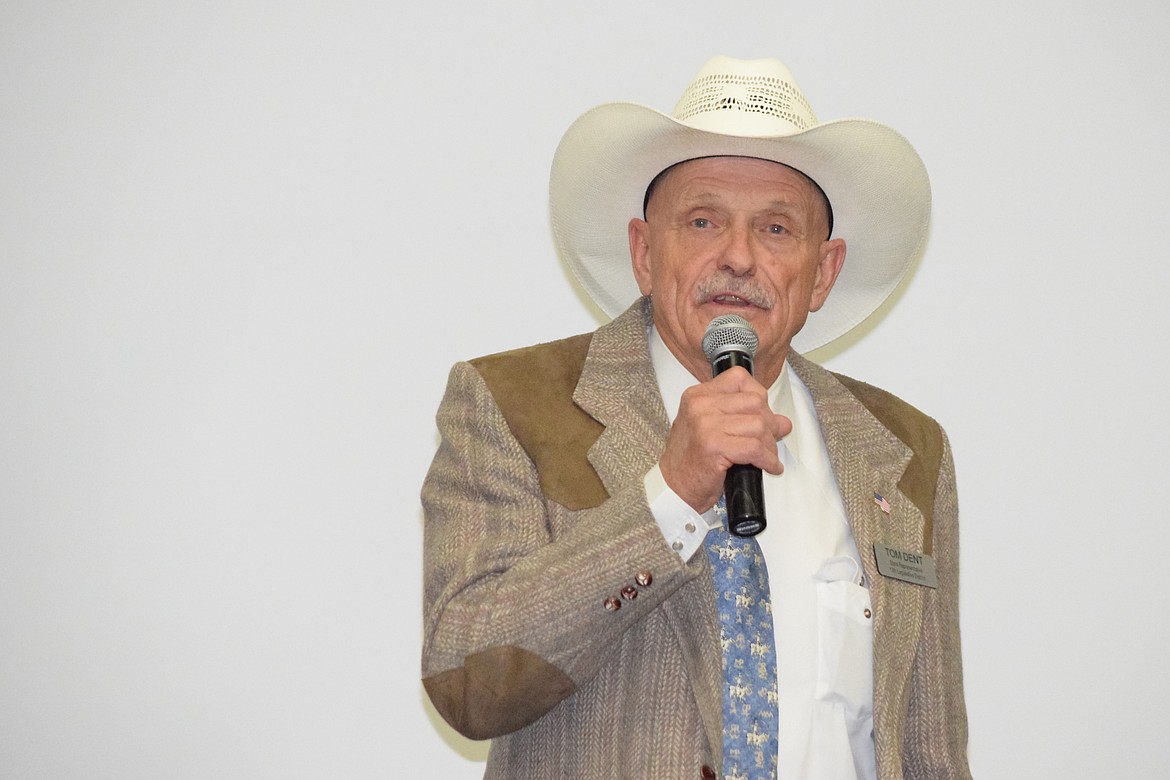
Rep. Tom Dent said he believes addressing suicide rates and mental health in the agriculture sector will require a multifaceted approach.
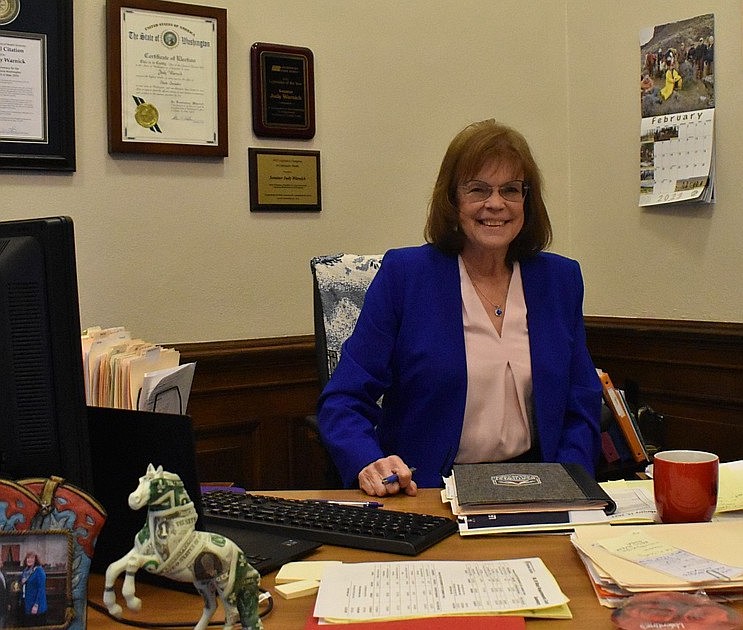
Sen. Judy Warnick said there are some promising initiatives to address mental health issues in the state’s agriculture sector.
OLYMPIA — Improving mental health services for farmers and agricultural workers – and working to reduce the factors that lead to mental health challenges for them – are among the recommendations of a report issued by a Washington legislative task force working on the issue.
Washington Rep. Tom Dent, R-Moses Lake, who worked to establish the task force, said what he learned caused him to revise some of his thinking. The task force examined two phases of the ag mental health issue, providing support tailored for the ag sector, and examining the contributing factors, what Dent called the upstream issues. When the task force started, he was focused on the need for additional mental health support, he said.
“Now I’m more focused on going upstream,” he said.
One of the original goals of the report was to determine if the state’s suicide hotlines could be made more accessible for farmers and farmworkers, including possibly a separate hotline for the agriculture sector.
“That’s what started the discussion,” Dent said.
The need for mental health support for ag professionals is statistically supported. The suicide rate for agricultural workers in Washington is 21.1 per 100,000. In comparison, the rate for the overall population is 14.9 per 100,000 Washingtonians, according to the Washington State Department of Agriculture, based on data from 2020 to 2022.
One of the report recommendations is to add responders with knowledge of Washington agriculture to the hotline and include Spanish-speaking staff. Dent said that’s a start, but it’s not enough.
“That’s the Band-Aid,” he said.
As the task force kept working, Dent said he started to change his focus.
“Maybe what’s called for here – what I see is maybe we need to go back upstream,” he said.
The task force report includes a list of recommendations, both in terms of strengthening mental health support for farmers and farmworkers and reducing some of the challenges that contribute to stress in the ag sector.
The report recommended full funding for an agriculture-based suicide hotline, along with additional support services.
“Uncoordinated services should be reviewed for potential collaboration, particularly in addressing overlapping needs. There may also be value in developing follow-up teams with specialized roles, such as financial advisors and social workers, to support (hotline) callers more holistically,” the report said.
More work should be done to make people aware of the hotline and to reduce the stigma around asking for help with mental health challenges, it said.
State Sen. Judy Warnick, R-Moses Lake, said the report highlighted some of the challenges faced by her own family when she was growing up. Her dad and uncle jointly operated a farm and kept their stresses to themselves, she said.
“The more meetings we had to put together this report, the more I realized my dad and uncle were kind of typical,” she said.
The report suggests additional funding to help farmers and farm workers, along with the general public, learn more about the stresses that come with modern farming.
More research is needed as well, the report said. There is a mental health support program for farmers and farmworkers operated through WSU-Skagit County Extension, and the report recommends expanding that.
Warnick said that the program includes events for farmers and farmworkers designed to help make it easier for them to talk about some of their challenges and to be connected to mental health services. Among those events is “Pizza for Producers,” one of which was held in Moses Lake, she said.
Dent said that, in his opinion, the conditions causing stress for farmers and farmworkers need to be addressed. While farming is an attractive profession for the people who practice it, farmers and farm workers still need to be able to support themselves and their families, he said.
“It’s a labor of love – to a point,” Dent said. “It’s a lifestyle – to a point.”
The report recommends additional financial support, such as tax relief and no-interest loans, as possible options. State regulatory processes should be streamlined and improved, the report said, and there should be additional efforts to understand the challenges of farming and to treat farmers and farmworkers with respect.
Many of the report’s recommendations will require legislative action. Dent said he thinks there are opportunities.
“There is a lot of interest in mental health in the legislature. There always has been,” he said.
Editor's Note: Anyone facing a mental health crisis and considering suicide is strongly encouraged to call or text 988, the National Suicide Crisis Hotline for assistance. Locally, HopeSource can direct those needing behavioral health services to the resources they need.
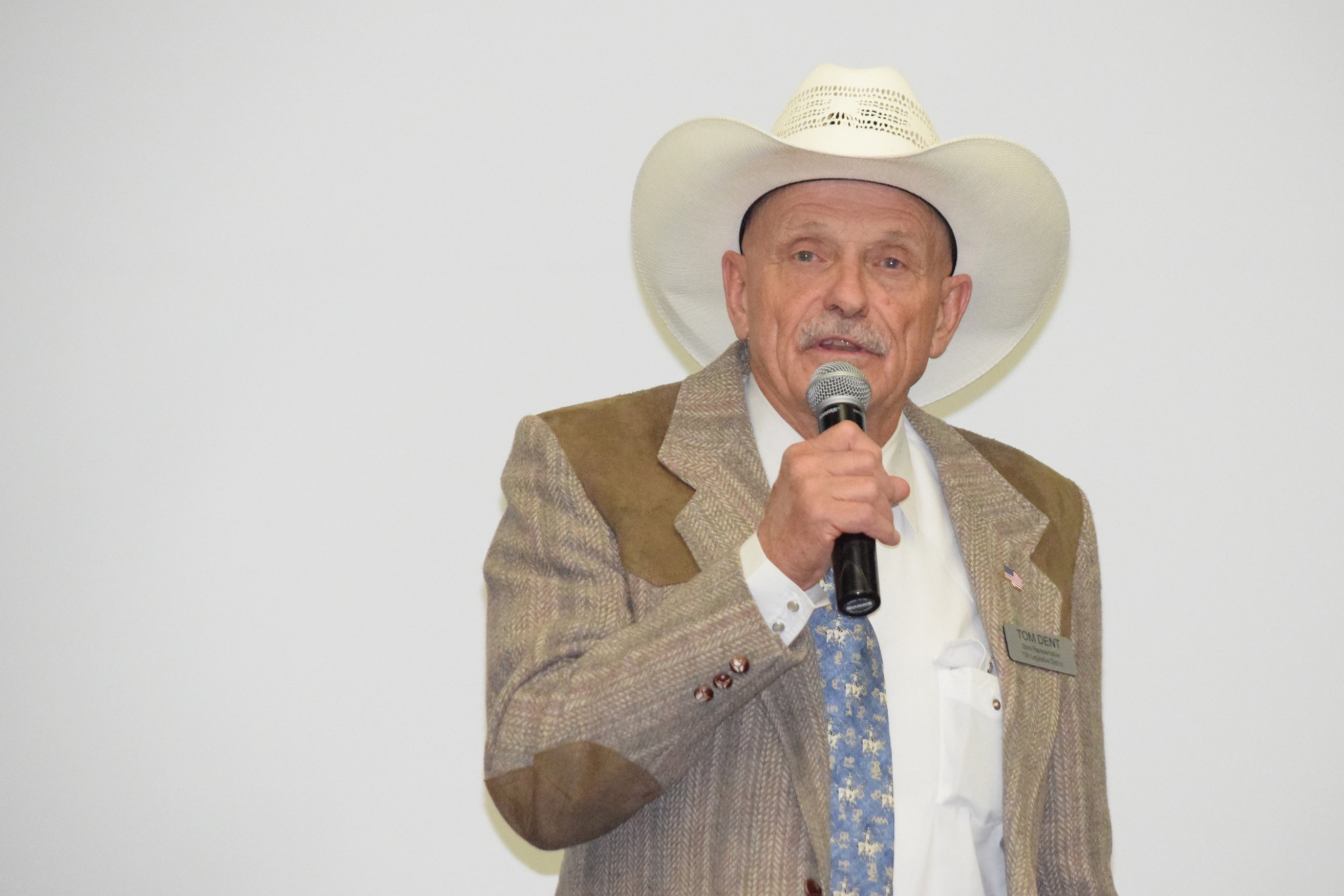 Rep. Tom Dent said he believes addressing suicide rates and mental health in the agriculture sector will require a multifaceted approach.
 Sen. Judy Warnick said there are some promising initiatives to address mental health issues in the state’s agriculture sector.