
Thousands ticketed under new construction zone speeding program
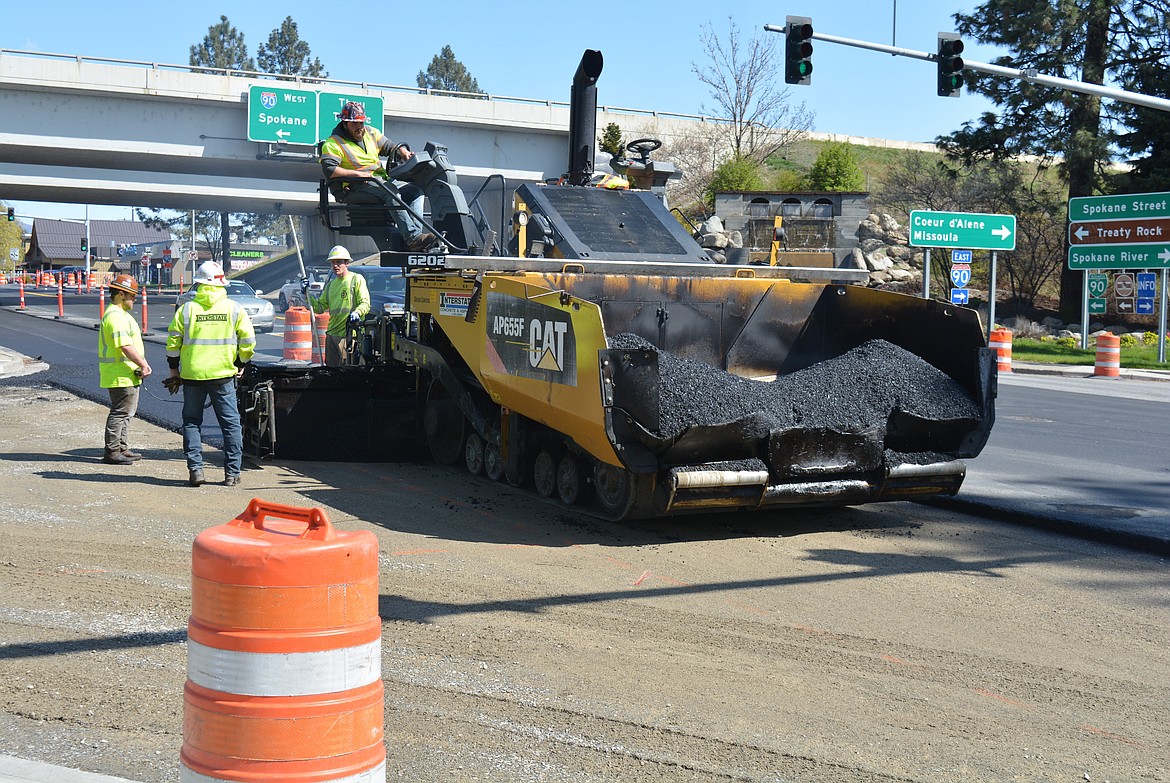
OLYMPIA – It's summertime, and that means construction across Washington. Ninety days after a new camera monitoring program was launched in the state’s work zones, the Washington State Patrol said in a recent press release that there’s a significant problem with speeding in work zones.
“The first few months of the program confirm what statistics show and what our workers have been saying — too many people speed through work zones,” said Washington Secretary of Transportation Julie Meredith. “We hope this changes driver behavior – that people slow down, and everyone comes home safe at the end of the day.”
Under the new program, which was authorized when Senate Bill 5272 passed during the 2023 Washington Legislative Session, cameras with license plate read capability and speed monitoring LiDAR are now deployed in construction zones statewide. Under the law, the first infraction captured by one of the cameras results in a warning being issued. Subsequent infractions include a fine of up to $248. The violation is considered a civil infraction.
In the program’s first 90 days, WSP issued about 7,600 infractions, with almost 4,000 more being processed.
According to the Washington Department of Labor and Industries, motor vehicle incidents are the leading cause of death among construction workers statewide. From 2010 to 2019, 179 workers died in motor vehicle-related incidents across all industries in Washington, with many of those in road construction zones. In 2022, 24 construction workers died in motor vehicle accidents, many in active work zones.
Grant County Sheriff’s Office Public Information Officer Kyle Foreman said such cameras have been deemed legal and Constitutional for some time.
Under a 2012 ruling in United States v. Sowards, cameras were deemed legal by the Fourth Circuit Court of Appeals, provided they included a camera and a properly certified and calibrated means of determining speed.
Foreman said the license plate readers are also legal because they’re viewing something that is publicly visible, but there are also laws and policies in place that govern how such monitoring is used and when.
“We have agencies that utilize (these) cameras and have policies in place for how they’re supposed to be used in a legal way,” Foreman said. “There have been concerns expressed about mass surveillance’s potential misuse. The policies are intended to eliminate that possibility.”
While the cameras focus on speeding in construction zones, Foreman said officers with local and state agencies also enforce speed restrictions in such areas. While in most cases officers will look at how to educate drivers, the person’s openness to learning from mistakes, driving record and other factors may lead to additional infractions, such as reckless driving, at the officer’s discretion.
Unlike officer-enforced violations, the camera-issued citations aren’t permitted to impact driving records or insurance rates. However, unpaid fines may result in holds on vehicle registration renewals. Those who wish to dispute their fines may do so through a process that includes a hearing.
The program is authorized to run until at least 2030, barring any changes to the law.
WSP Chief John R. Batiste said the infractions and punitive measures aren’t the point; it’s really about safety.
“While the number of infractions has been high during the first 90 days of operation, we hope to see a reduction of speeding through work zones as the word gets out about this new safety tool,’ said Batiste. “This isn’t about writing tickets and fining motorists; this is about slowing inattentive drivers down and saving lives.”