


Statewide burn ban to end Sept. 30, but fire season isn’t over yet
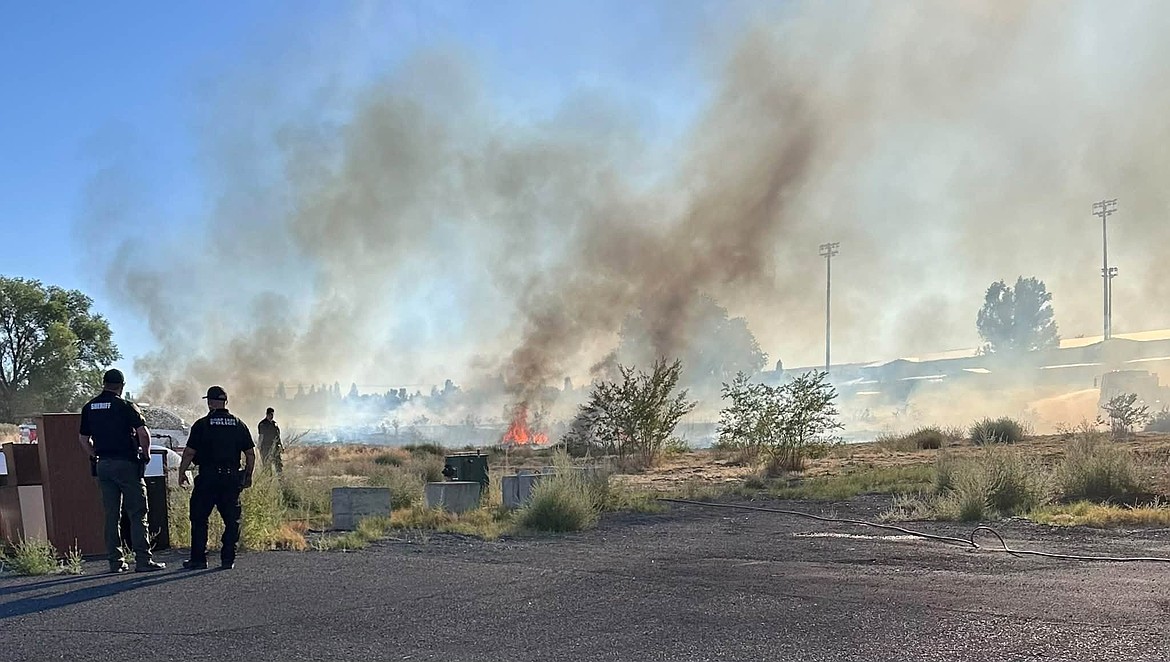
"No matter what the calendar says, just always be vigilant and aware. Even though you can do something, it doesn't mean you should do something."
Grant County Fire District 7 Chief Erick Brittain
SOAP LAKE — As Washington's statewide burn ban is set to expire Sept. 30, fire officials are urging residents not to mistake the end of restrictions for the end of wildfire season.
While cooler temperatures and recent rainfall have helped reduce fire danger across parts of the state, officials say conditions remain dry enough in many areas for fires to ignite and spread. The message from state and local authorities is clear: exercise caution with any outdoor burning and continue checking local restrictions before lighting a match.
"We have not seen that full season-ending precipitation event that would put us in a position to say that fire season has ended," said Ryan Rodruck, public information officer with the Washington Dept. of Natural Resources.
Rodruck said some areas of Central Washington continue to have very dry fuels on the landscape despite recent moisture.
"In a lot of areas, there are still some very dry fuels on the landscape, especially in areas of Central Washington," he said. "It's still important to exercise caution. It's still important to check what those local burning restrictions are and just continue to be responsible to keep those sparks off the landscape."
The governor's burn ban applies statewide, but local restrictions may remain in place after Sept. 30. Rodruck encouraged residents to contact local jurisdictions before conducting any outdoor burning.
"It's important to remember to check with your local jurisdictions because there will be burn restrictions in place after that Sept. 30 date," he said.
Officials are particularly concerned residents may view the expiration of the statewide ban as a sign that wildfire danger has passed.
"We see about 85 to 90% of wildfires in the state of Washington are human caused," Rodruck said. "A lot of those are outdoor burning related."
Although the threat of large wildfires is beginning to decrease, he said the risk of fire starts remains.
"The potential of seeing a large, costly fire develop on the landscape is decreasing pretty rapidly, but that does not mean those fuels will not carry fire," Rodruck said. "The chance that fire can develop on the landscape is absolutely still there."
When asked to describe Washington's current wildfire outlook in one sentence, Rodruck offered two words: "Cautious optimism."
He explained that weather patterns are beginning to trend in a favorable direction, but fire managers are still waiting for a significant rain event capable of thoroughly soaking fuels and ending the wildfire season.
Locally, Grant County Fire District 7 Chief Erick Brittain echoed those concerns.
"From a firefighter's perspective, would you say that we are truly out of fire season yet?" he was asked.
"No," Brittain said. "We haven't got that season-ending precipitation. I don't believe we'll be out of fire season until at least November."
Brittain said recent moisture has helped somewhat, but not enough to significantly change conditions on the ground.
"It's just as dry as it ever was," he said. "Thankfully, it's cooling off at night, which is helping us and providing that dew in the morning, but it doesn't mean by mid-afternoon it's not drying out and becoming volatile again."
The district recently responded to a human-caused brush fire and has continued to see fire activity despite cooler weather. Brittain noted that one fire last week had the potential to threaten McKay Healthcare before firefighters were able to quickly contain it.
He also pointed to last year's fire season, when the district's final significant wildland fire occurred in late October.
"We had fires clear into October last year, and it wasn't even as dry as it is this year," Brittain said.
His advice to residents is simple.
"No matter what the calendar says, just always be vigilant and aware," he said. "Even though you can do something, it doesn't mean you should do something."
Officials are reminding residents that burning regulations remain in effect even after burn bans expire. In Grant County, only natural vegetation may be burned; burn barrels remain prohibited, and outdoor burning is not permitted within city limits or urban growth areas. Residents should contact their local fire department before burning and keep a water source nearby in case conditions change.
The Adams County Fire Marshal's Office has a similar reminder on their website, noting that while county burn restrictions expire Sept. 30, Department of Ecology regulations remain in effect, and burn barrels are prohibited statewide.
For now, fire officials say residents should continue treating the landscape as fire-prone until substantial autumn rainfall arrives.
"The chance of those large, costly fires is decreasing," Rodruck said, "but we're still waiting for that big rain event."
Active fires in Washington:
Border 2 Fire: 8,707 acres. 74% contained. Started July 16. Whatcom County. Lightning caused. The total estimated cost is $5.29 million.
Goat Fire: 816 acres. 80% containment. Started Aug. 22. Kittitas County. Lightning caused. The total estimated cost is $20 million.
King Fire: 3,335 acres. 20% containment. Started Aug. 19. Kittitas County. Lightning caused. The total estimated cost is $1 million.
Little Giant Fire: 172,850 acres. 81% containment. Started July 15. Chelan County. Lightning caused. The total estimated cost is $185 million.
Luna Fire: 7,879 acres. 53% contained. Started July 24. Whatcom County. Unknown cause. The total estimated cost is $5 million.
Sisi Fire: 3,993 acres. 15% containment. Started Aug. 14. Chelan County. Lighting caused. The total estimated cost is $10 million.
Sinlahekin Fire: 166,026 acres. 92% contained. Started July 26. Okanogan County. Lightning or natural caused. The total estimated cost is $150 million.
Three Queens Fire: 9,572 acres. 31% containment. Started July 15. Kittitas County. Lightning or natural caused. The total estimated cost is $85 million.
SOURCES: INCIWEB and NATIONAL INTERAGENCY FIRE CENTER.