

Advisory vote on possible sales tax increase in Grant County on November ballot
Grant County voters will be asked for their opinions on a possible increase in the sales tax in November's general election. The vote won't actually impose any tax; it's what is known as an advisory vote.
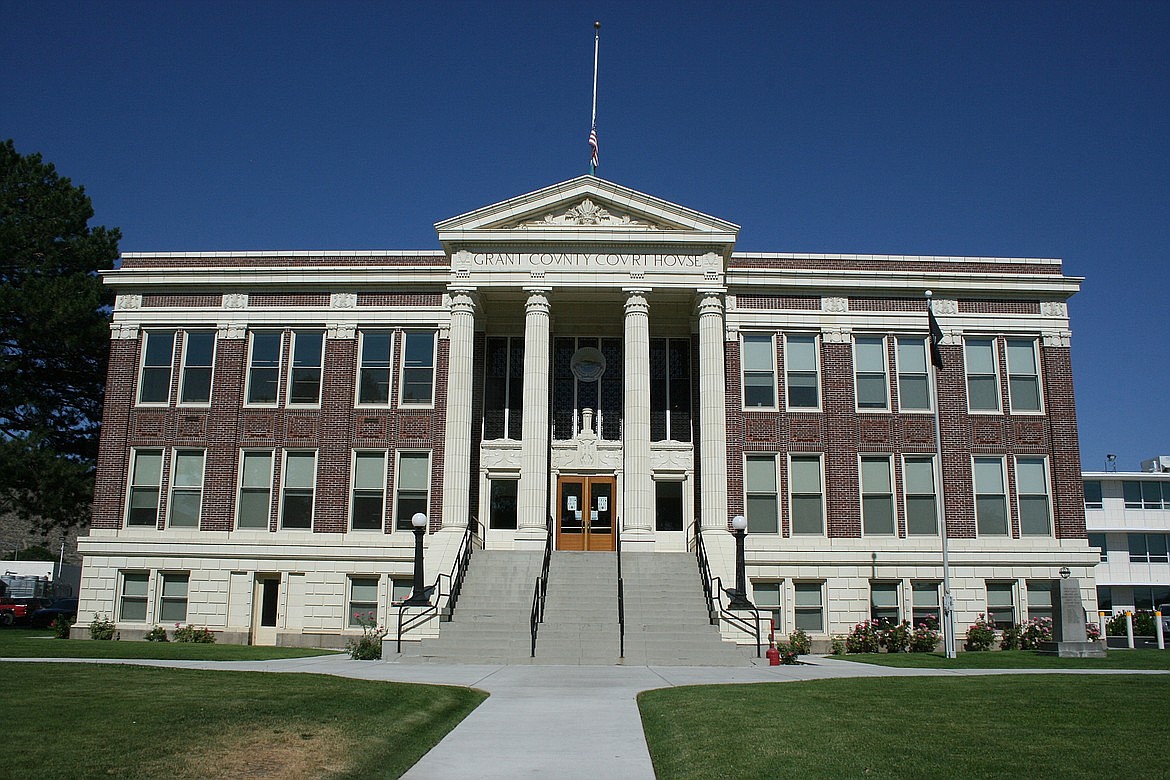
FILE PHOTO
EPHRATA — Grant County voters will be asked for their opinions on a possible one-tenth of one percent increase in the sales and use tax to fund additional mental health services — but they're not being asked to approve an increase. The request, which is called an advisory vote, will be on the November general election ballot.
Grant County Administrator Tom Gaines emphasized the vote is advisory only and won't actually impose the tax. Whether or not it's implemented will be up to the Grant County Commissioners.
Washington law gives commissioners have the right to implement the tax without a public vote, but commissioners wanted to get the opinion of county residents before making a decision.
"Because it's a new tax, they didn't feel like it's right to do it without hearing from voters," Gaines said.
The resolution submitting the proposal for the ballot reiterated that it's an advisory vote only.
"Following the election, the board will consider the results of the advisory vote and may thereafter adopt, or decline to adopt, an ordinance imposing the tax, as the board deems appropriate," the resolution said.
Because it's only an advisory vote, and commissioners haven't decided whether or not to impose it, Gaines said how the money would be spent hasn't been determined.
Additional funding would be a help, he said.
"It would be nice to have funding in place," he said. "I think there are numerous entities in Grant County that would benefit."
Washington legislators authorized counties to raise the sales tax by one-tenth of one percent to help pay for additional mental health, drug dependency or therapeutic court services. The tax is projected to generate about $2.7 million per year, Gaines said.
Under RCW 82.14.460, the money generated through the tax must be spent for specific programs. Mental health and chemical dependency treatment programs qualify, and include treatment, case management and housing that meets qualifying criteria.
Therapeutic court services also qualify. Those are defined as specialized court programs, including treatment, judicial supervision and support services, in place of traditional sentencing.
The money can be used to modify or repair existing buildings, and in 2025 Washington legislators added the option to use the money for new construction for mental health and chemical dependency services.