
Quincy schedules hearing on kratom ban
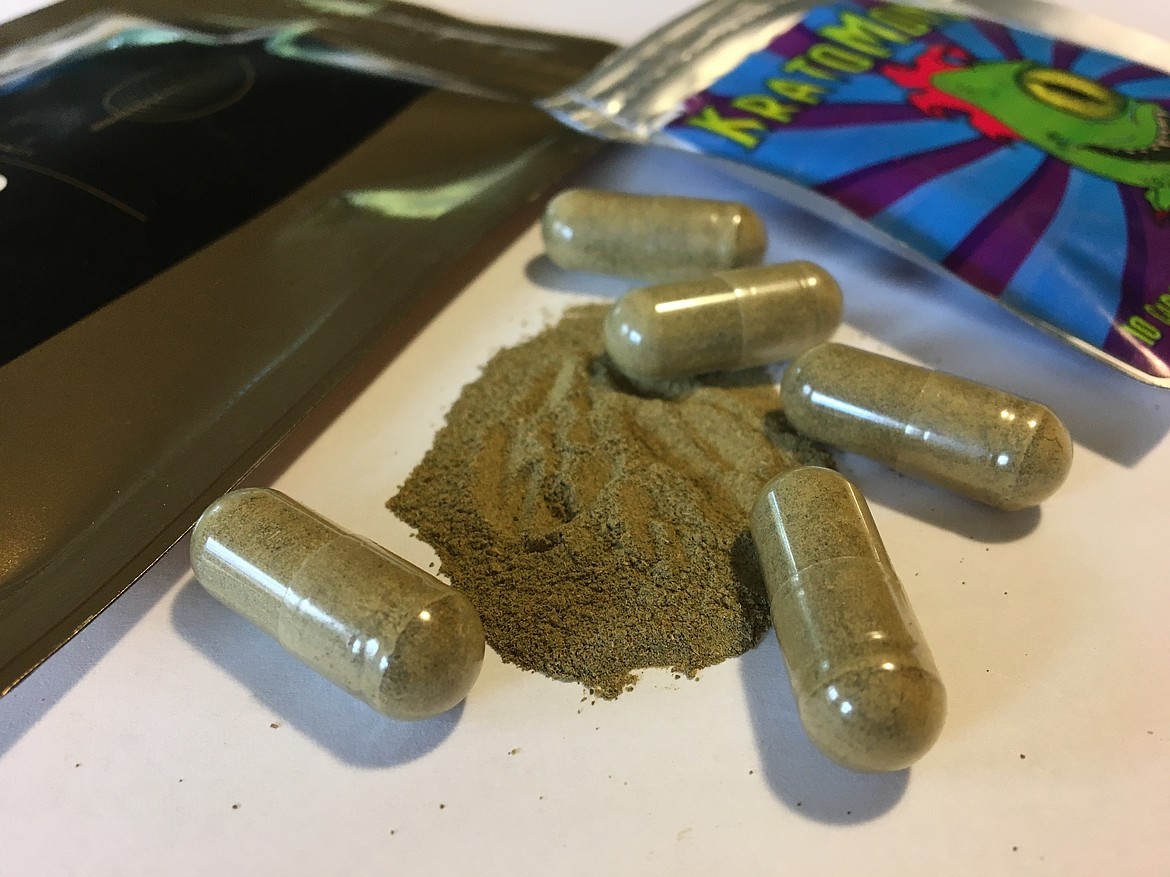
Quincy residents will have the chance to give their opinions of a proposal to ban the sale of kratom within the city limits at a public hearing Oct. 6.
FILE PHOTO
QUINCY — A public hearing is scheduled for 6 p.m. Oct. 6 for the Quincy City Council to ask the public's opinion on a proposal to regulate kratom sales in Quincy.
The vote was 5-0; it was approved without discussion. Council members Andrew Royer and Dylan Kling did not attend the meeting.
City Clerk Stephanie Boorman emphasized the Oct. 8 hearing is just to gather the public's reaction to a possible kratom ban, not an actual ban. The details of a ban, if one is approved, will be up to the council.
"It is not regulating the sale or distribution of kratom products; it is merely outlining the concerns surrounding kratom products and moving forward with setting the public hearing," she said. "There is nothing specifying what type of a ban at this point."
The consideration of a ban, or regulation, follows a presentation from the Grant County Health District at the Sept. 1 meeting. Health district officials have urged cities throughout Grant County to enact kratom product bans within their individual jurisdictions.
Reece Leavitt, of GCHD's Healthy Communities and Families program, said kratom is a naturally occurring substance, derived from a Southeast Asian plant.
"Just because it's natural doesn't mean it's safe," he said.
In low doses, the plant does as advertised; it does provide an energy boost, he said. Health district officials are more concerned with products that contain high doses, both of the naturally occurring active ingredient, known as 7-OH, and its synthetic derivatives.
"They take that chemical and they synthetically up the levels in these products. There are lot of different examples of this; the most common one that we have seen in our county is a five-hour energy drink," he said.
It affects the same parts of the brain as opioids, he said, and when consumed in large doses has similar effects to opioids. In the case of an overdose, kratom does respond to Narcan.
Kratom only emerged recently as a concern; as a result, there's little monitoring of product quality.
"It's not tested at all," he said. "There's no regulation on this. Nobody's testing."
As of now, there's almost no way to know what the 7-OH content is in any of the products, he said, and no way to know what else might be in them.
Kratom is readily available throughout Grant County, he said. Because it's not regulated, it can be purchased by customers of any age, including children.
"These products are available for youth," he said.
Ephrata, Mattawa, Warden, Royal City and George have all approved total bans, while Moses Lake has banned sales to people 21 years of age and younger. Othello City Council members also banned kratom. Spokane and Spokane Valley have also banned it, Leavitt said.