


Washington wildfire season easing, but DNR says state not out of danger yet
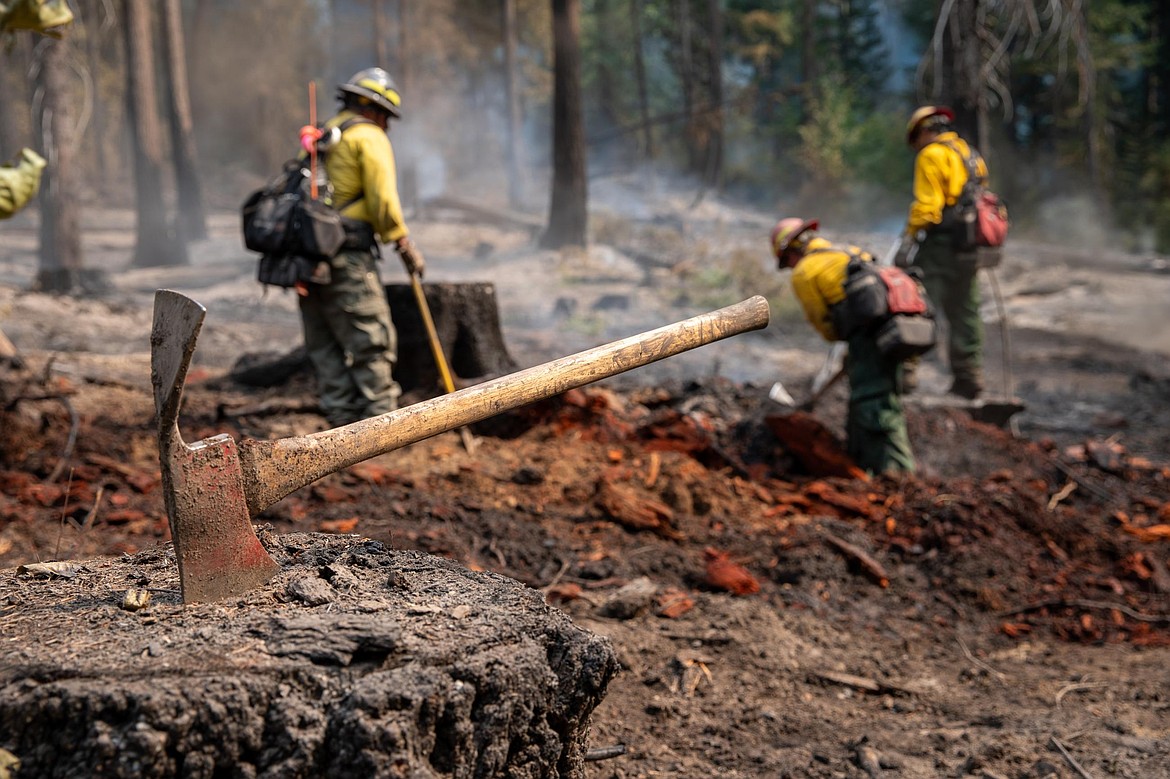
Firefighters work on mopping up the Little Giant Fire, which has scorched around 172,000 acres and is 81% contained as of Sept. 15. This is one of the largest fires still left on the urban wildland interface with a cost estimated at $185 million.
COURTESY PHOTO/INCIWEB/DONOVAN SMITH
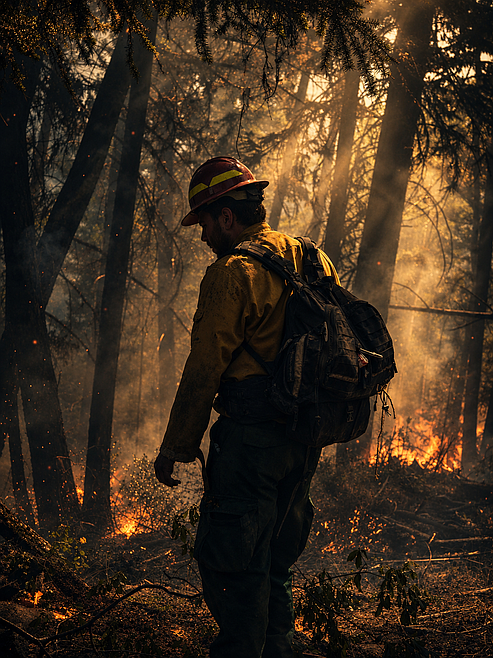
A firefighter works alongside the fire line at the Sinlahekin Fire Aug. 28. The fire has burnt around 166,000 acres, is 77% contained and has cost around $150 million as of Tuesday.
COURTESY PHOTO/INCIWEB
"We want to make sure that we continue to have our resources allocated appropriately. For the next few weeks, we need caution from the general public, and we will keep an eye on what those weather patterns do."
Ryan Rodruck, public information officer Dept. of Natural Resources
MOSES LAKE — Recent rainfall across Washington has lowered wildfire risk and signaled that the end of fire season may be near, but state officials say residents should not let their guard down just yet.
"We've got the end in sight, but there are still burn bans in place," Washington Dept. of Natural Resources Public Information Officer Ryan Rodruck said. "There still will be periods of hot, dry and potentially unstable weather as we move closer into fall."
DNR recently lowered its preparedness level to two on a scale of one to five, with five representing the highest level of wildfire readiness and resource allocation.
According to Rodruck, several precipitation events have helped reduce fire danger, but conditions have not yet reached what firefighters consider a "season-ending precipitation event."
"We're very nearly there," Rodruck said. "I don't think Eastern Washington is quite there yet."
A season-ending precipitation event occurs when enough rain falls across both sides of the state to significantly increase moisture levels in vegetation and other fuels, reducing the likelihood of large wildfires.
"We'll be looking for that season-ending precipitation event where there's just so much wetting rain that those fuels just will not hold or transmit fire anymore," Rodruck said. "That will take any potential for those large, costly fires off the board."
Even after that point, smaller fires can still occur.
"I've seen fires continue to start clear into November sometimes in my career," Rodruck said. "We will still see fire starts."
State officials are also reminding residents that a statewide burn ban issued by Gov. Bob Ferguson remains in effect through Sept. 30.
"Before you burn, definitely make sure to check out those burn bans," Rodruck said. "All burning is restricted until that time."
The reminder comes after a busy summer marked by extreme fire weather, multiple large wildfires and significant firefighting costs across the state.
"I think definitely those hot, dry conditions," Rodruck said when asked about the season's biggest challenges. "We saw a lot of extreme fire weather events that moved through Washington and the Pacific Northwest, and we saw multiple large, costly fires develop on the landscape."
Rodruck said firefighters relied heavily on assistance from neighboring states through the Northwest Compact to manage some of the season's largest incidents.
Among the fires that stood out were the Spokane-area fires, which caused widespread destruction, along with major incidents including the Little Giant Fire in Chelan County, the Three Queens Fire in Kittitas County, the Kaiser Canyon Fire and the Sinlahekin Fire.
"I think Spokane, due to the scale of the devastation, is one that is going to stick out in people's memories," Rodruck said.
As of Tuesday, active wildfires across Washington had burned nearly 350,000 acres, according to InciWeb. The largest active fires included the Little Giant Fire in Chelan County at 172,705 acres and the Sinlahekin Fire in Okanogan County at 166,026 acres.
National Interagency Fire Center data showed the estimated cost of active wildfires in Washington exceeded $538 million.
The Little Giant Fire alone carried an estimated suppression cost of $185 million, while the Sinlahekin Fire was estimated at $150 million. Other costly incidents included the Three Queens Fire at $85 million and the High Lava Fire at $23 million.
Rodruck said this year's season has been notable because of the extreme weather conditions that fueled many of the state's largest fires.
"There was a lot of lightning-caused fires," he said.
He also pointed to an unprecedented warning issued by the National Weather Service during the Spokane-area fire outbreak.
"The National Weather Service for the first time in state history put out that potentially dangerous situation notice," Rodruck said.
Although DNR will wait until official year-end statistics are compiled before making direct comparisons to previous years, Rodruck summed up the 2026 season in one word.
"Busy," he said.
Looking ahead, wildfire managers remain focused on containing and mopping up the state's remaining large fires while monitoring weather conditions through the end of September.
"We want to make sure that we continue to have our resources allocated appropriately," Rodruck said. "For the next few weeks, we need caution from the general public and we will keep an eye on what those weather patterns do."
Active fires in Washington:
2026 Electric Fire: 495 acres. 46% contained. Started Sept. 12. Skagit County. Lighting caused. The total estimated cost is $10 million.
Backbone Fire: 17 acres. 90% contained. Started Aug. 5. Lewis County. Lightning caused. The total estimated cost is $10 million.
Border 2 Fire: 8,171 acres. 73% contained. Started July 16. Whatcom County. Lightning caused. The total estimated cost is $4.83 million.
Colwash Fire: 39,073 acres. 95% containment. Started Aug. 22. Yakima County. Lightning caused. The total estimated cost is $15 million.
Goat Fire: 816 acres. 22% containment. Started Aug. 22. Kittitas County. Lightning caused. The total estimated cost is $20 million.
High Lava Fire: 2,899 acres. 63% containment. Started July 23. Skamania County. Lightning or natural cause. The total estimated cost is $23 million.
King Fire: 3,298 acres. No containment. Started Aug. 19. Kittitas County. Lightning caused. The total estimated cost is $10 million.
Little Giant Fire: 172,705 acres. 81% containment. Started July 15. Chelan County. Lightning caused. The total estimated cost is $185 million.
Luna Fire: 7,879 acres. 34% contained. Started July 24. Whatcom County. Unknown cause. The total estimated cost is $5 million.
Ptarmigan Fire: 25,166 acres. 73% contained. Started July 17. Okanogan County. Lightning or natural caused. The total estimated cost is $10 million.
Sisi Fire: 3,449 acres. 5% containment. Started Aug. 14. Chelan County. Lighting caused. The total estimated cost is $10 million.
Sinlahekin Fire: 166,026 acres. 77% contained. Started July 26. Okanogan County. Lightning or natural caused. The total estimated cost is $150 million.
Three Queens Fire: 9,555 acres. 20% containment. Started July 15. Kittitas County. Lightning or natural caused. The total estimated cost is $85 million.
Wonderland Complex fires: 387 acres. No containment. Started Aug. 24. Pierce County. Unknown cause. The total estimated cost is $573,000.
SOURCES: INCIWEB, NATIONAL INTERAGENCY FIRE CENTER and AIRNOW.
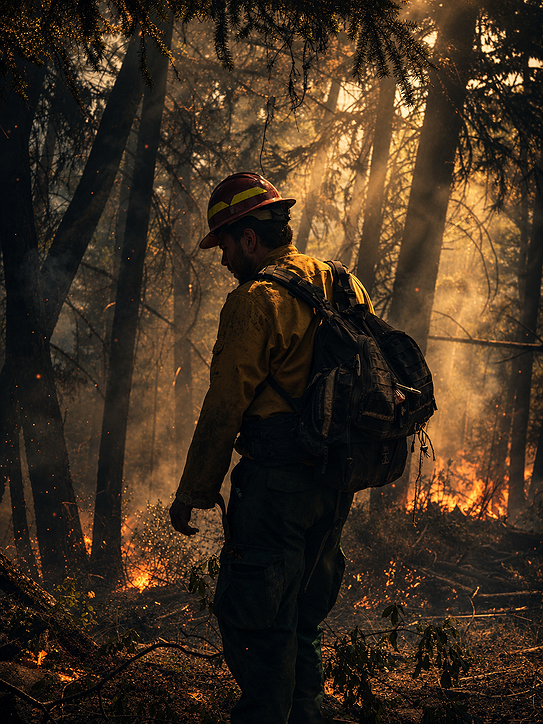 A firefighter works alongside the fire line at the Sinlahekin Fire Aug. 28. The fire has burnt around 166,000 acres, is 77% contained and has cost around $150 million as of Tuesday.