Tuesday, September 08, 2026
55.0°F

Base Memories: Stationed at Moses Lake
by Dollie Boyd
| September 8, 2026 3:35 AM

Back in the Day.... 

Base Memories: Stationed at Moses Lake  
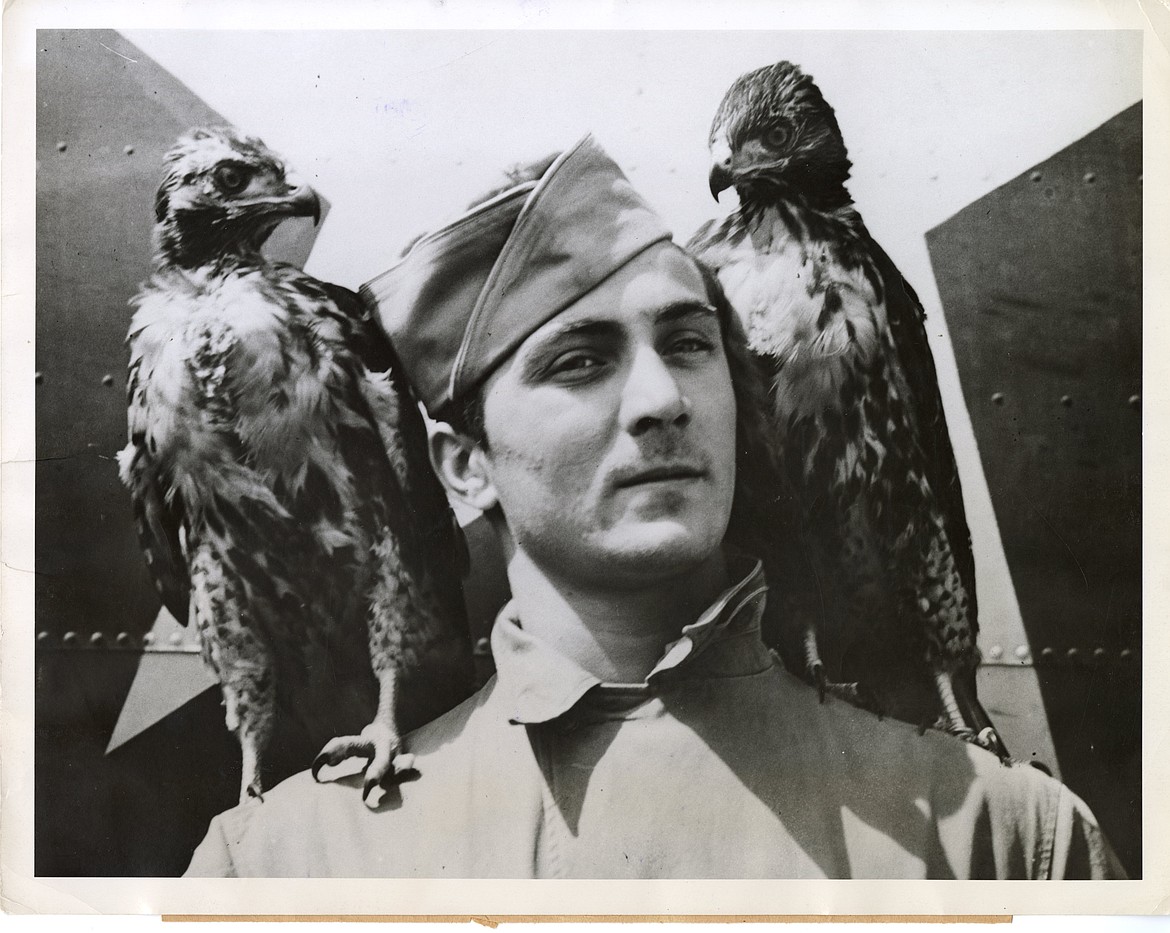
I imagine the scene like this: A cabbie picks up a green recruit from the Moses Lake bus station. He looks in the rear-view mirror, smirks at the crisp new uniform and says, “You’re gonna love it here, there’s a woman behind every tree,” before peeling out of the parking lot to make the six mile drive to the base. The soldier laughs ruefully as he looks out at the treeless landscape. Welcome to Moses Lake indeed.  

When I first came to town, old timers delighted in repeating this anecdote. It varied in the telling, and they had no source for the tale, but hearing it from multiple people gave it the ring of truth, still it was just a bit of community folklore. Years later, I was doing research for our America 250 exhibits, and I struck gold in a Veteran’s Oral History Project interview. Master Sargent Robert J. Lavoie was stationed here sometime after 1950, and he recalled that a cab driver entertained him with the “woman behind every tree” joke.  

Researching planes, missiles, troop movements, and aviation disasters is interesting in its own way, but this find sparked my interest in looking for more soldier recollections about their time here. I found oral histories, letters, articles from the newspaper, and other sources that illustrate the human side of military history.  

Some of the flyboys stationed at Moses Lake Army Air Base/Larson Air Force Base appreciated their experiences here, others did not. In 1944, one anonymous soldier made his feelings known when he penned the following poem:  

A GI’s Impression  

Vast, bleak, empty craters of the  

moon—  

claybaked, desolate of life or  

vegetation,  

unless the scrawny sagebrush  

groping its roots between the glacial  

scab rock can be called vegetation.  

Such is Moses Lake Army Air base  

situated in a shallow crater-like  

depression,  

the rim meeting the sky vast  

distance away.  

Between man and the horizon:  

Nothingness.  

Over the rim: Civilization.  

We take up where Lewis and Clark  

left off. 


Edward S. Neiderkorn was a pilot trainee stationed here in the early days of WWII. In a letter to his father, he calls the base, “about the awfullest mess I’ve ever seen.” The letter goes on to decry the lack of equipment and training personnel, and the chaotic orders that were given one day and rescinded the next. His first-hand account shows the problems that come with creating a military base in the shrub-steppe practically overnight and the tumult of war. Problems like the running wild horses off the newly created air strip at the base. Transportation officer Alfred Lista remembered shooing them away via jeep.


In the 1950s Airman First Class Agnes H. Gomez found herself and a sisterhood in the Air Force. Agnes was skinny, naive kid from an impoverished background. The women she served with recognized this, closed ranks around her and lifted her up. She called her stint at Larson AFB, “the start of my Wonder Woman years. I learned to stand up for myself, much to the relief of the fellow Airman who had been protecting me."


Though conditions at the base were less than ideal, letters to the editor of the Herald often praised Moses Lakers for their hospitality and kindness. One soldier said of his treatment in town, “They are so nice to us, we can hardly understand it.” In 1952, Brigadier General H.W. Bowman gave kudos to Chamber of Commerce president Darrell Ries for stating that base residents were considered part of the community. Lonely soldiers far from home, likely to be transferred out at any time, appreciated the warm welcome they found in our community.


Military bases, particularly new, temporary places like Larson, often suffer from the type “town and gown” divide you see in college towns. The two communities can clash and resist mixing. To combat that divide in Moses Lake, the town fathers created a Friendship Day, where city officials competed in horseshoe matches against military commanders, the public was invited to tour the base, and the two populations broke bread at a community picnic. Perhaps that intentional effort was in part responsible for some of the friendly feelings expressed by airmen.


In the end, these funny, heartfelt, honest, human stories reveal a fuller picture of what it meant to serve at Moses Lake. They remind us that beyond the planes, policies, and missions were thousands of individuals making sense of an unfamiliar landscape, forging friendships, enduring hardships, and occasionally finding unexpected joy. As we commemorate America 250, these recollections help us honor not just the history of Larson Air Force Base, but the people who lived it. They may have received a shock to the system when they were stationed here, but many adapted with grit and humor, and ultimately became part of the enduring story of Moses Lake. 

Back in the Day appears bi-weekly and looks at the rich and sometimes little-known history of the Columbia Basin.