
Before sunrise, the Columbia Basin Herald's carriers are already at work
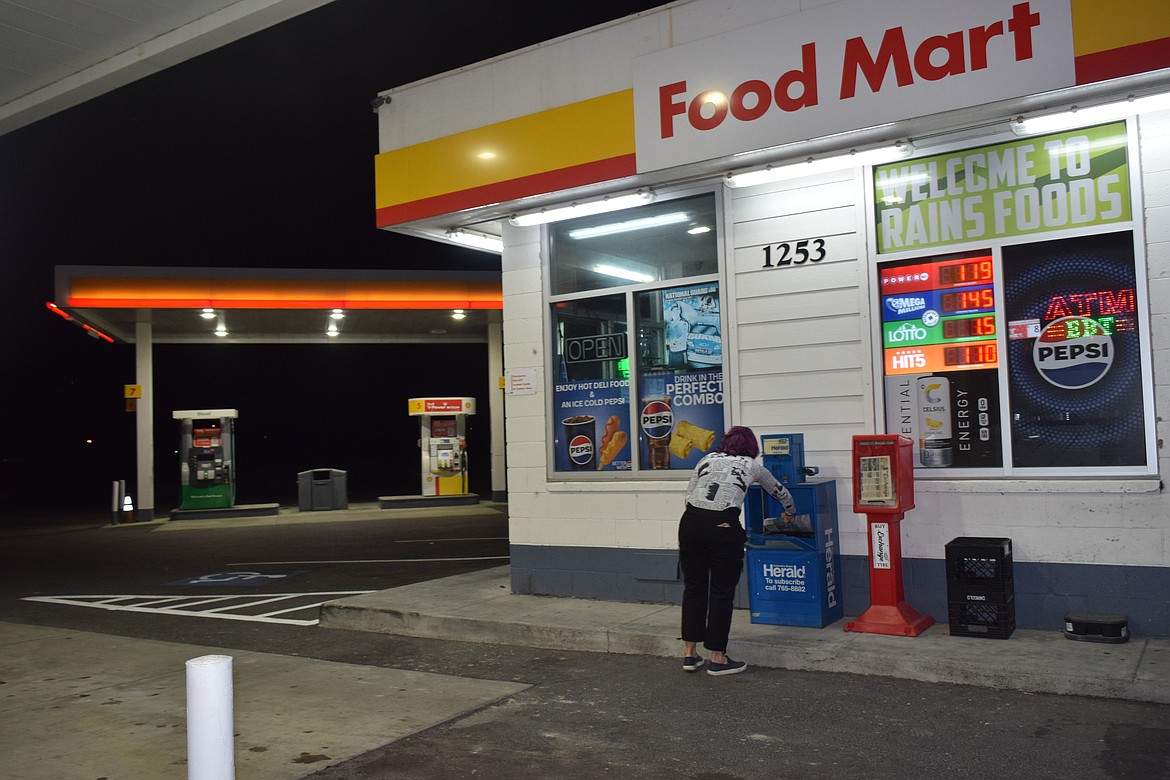
MOSES LAKE — At 3 a.m., most of Moses Lake is quiet.
Streetlights cast pools of light onto empty roads. Businesses are dark. The only traffic comes from the occasional semi-truck, an early-morning commuter or a deer wandering near the edge of town.
For Columbia Basin Herald carrier Tiffany Hagquist, however, the day is already well underway.
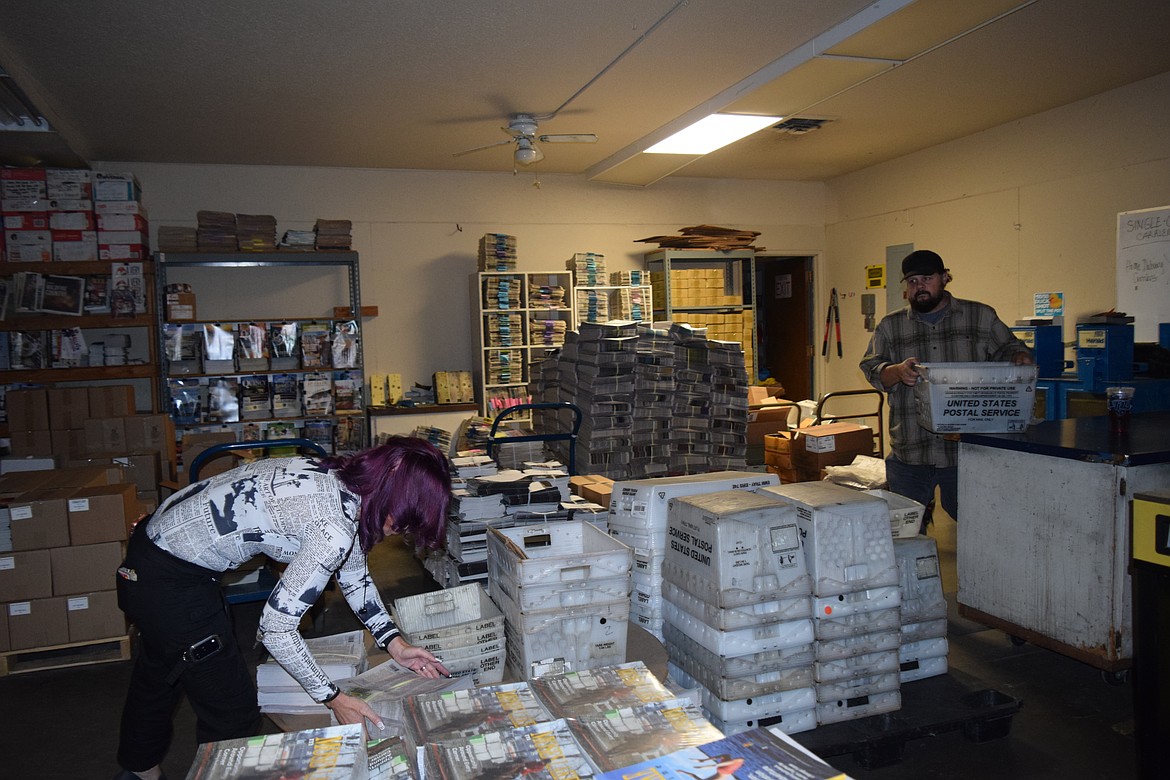
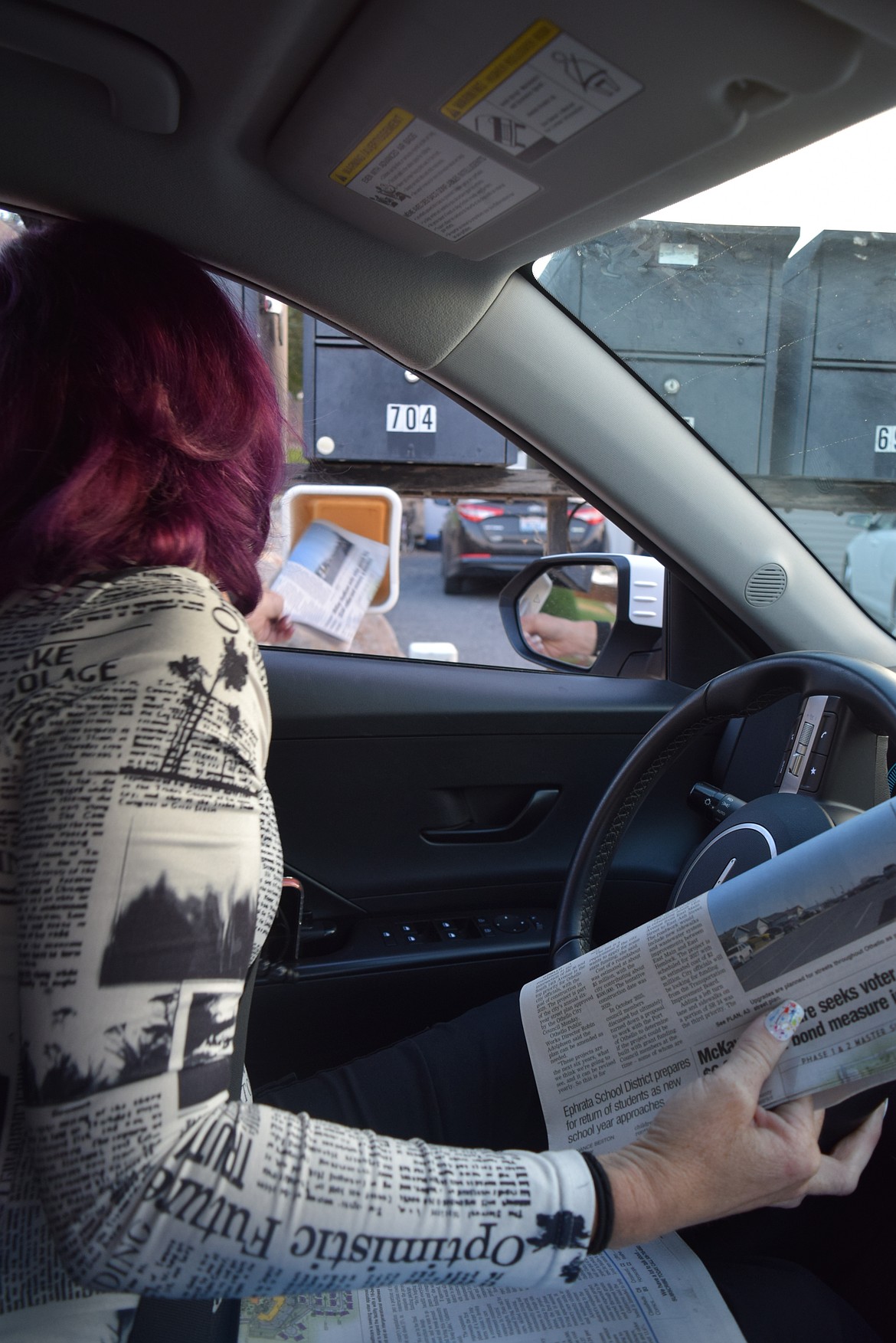
By the time many readers are pouring their first cup of coffee, Hagquist has already spent hours sorting newspapers, loading her vehicle and working through a route that stretches across Moses Lake, Warden and Othello.
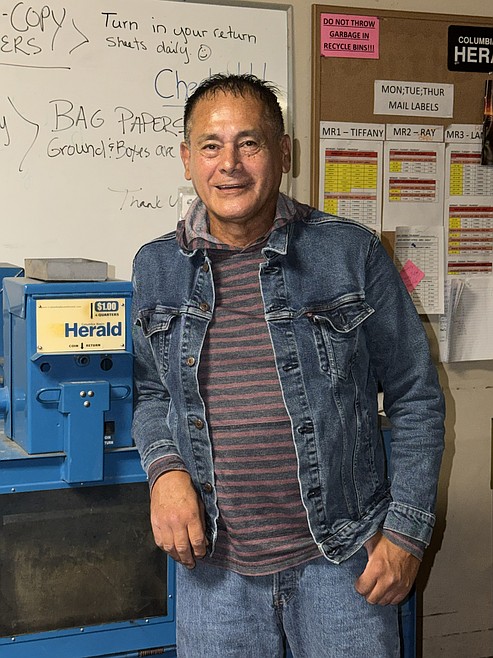
National Newspaper Carrier Day, observed Sept. 4, recognizes the people who perform that work every day, often before most residents are awake. At the Columbia Basin Herald, six carriers help ensure newspapers reach subscribers throughout the Columbia Basin: Jessie Menchaca, Lori Bankston, Margaret Smith, Ray De Leon, Tiffany Hagquist and Eric Hagquist.
For Tiffany Hagquist, the job is about much more than simply delivering a newspaper.
"It's so much fun, honestly. I truly enjoy it," she said.
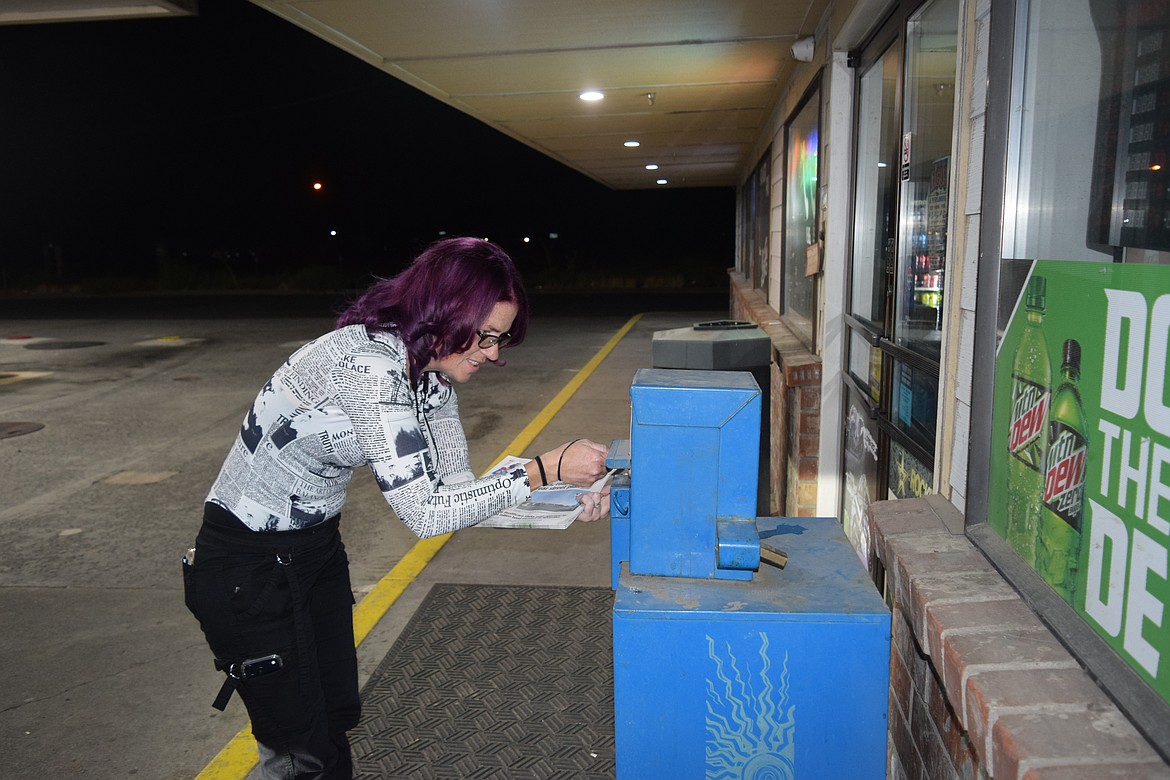
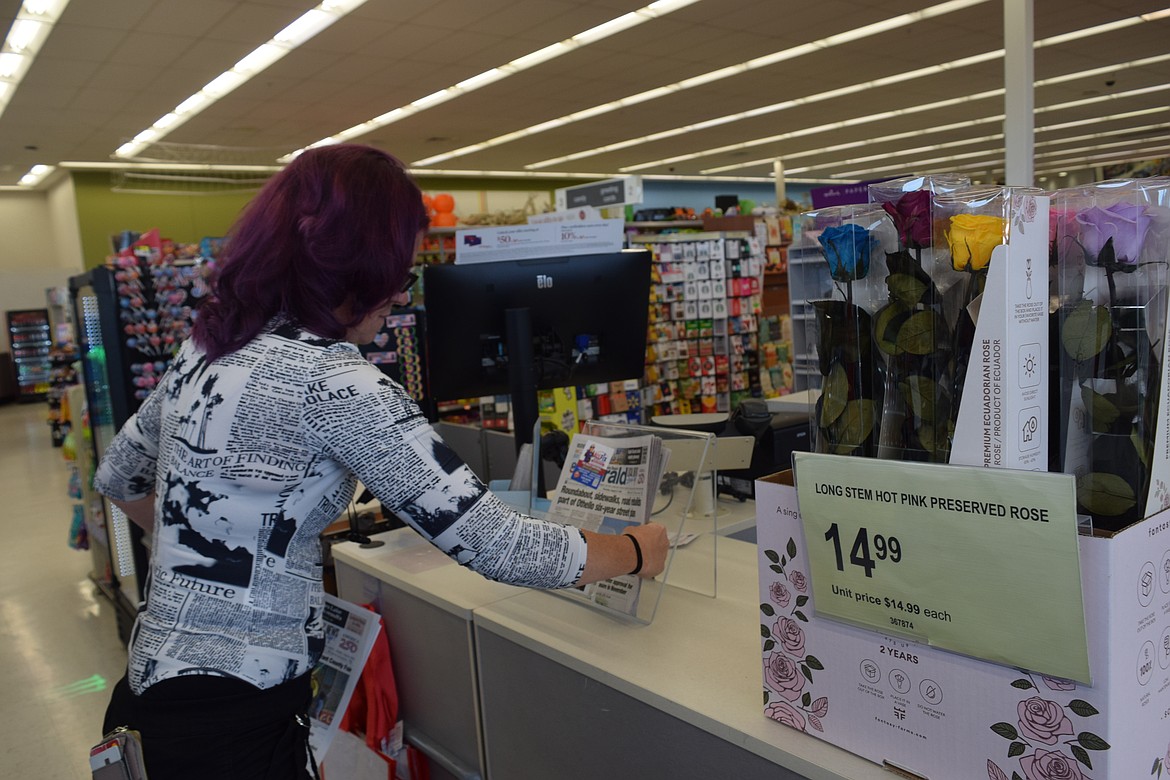
Her mornings begin at 1:45 a.m. After a quick breakfast and time to take her medications, she heads out the door and starts preparing for a route that includes nearly 200 paid subscribers and more than 220 total stops when newspaper racks and hotels are included.
The early hours don't bother her. Having raised six children and caring for a family member with special needs, she's accustomed to living by a schedule.
"This is a required early, not an accidental early," she said. "My body clock wakes me up even without an alarm nowadays."
The route itself has become second nature.
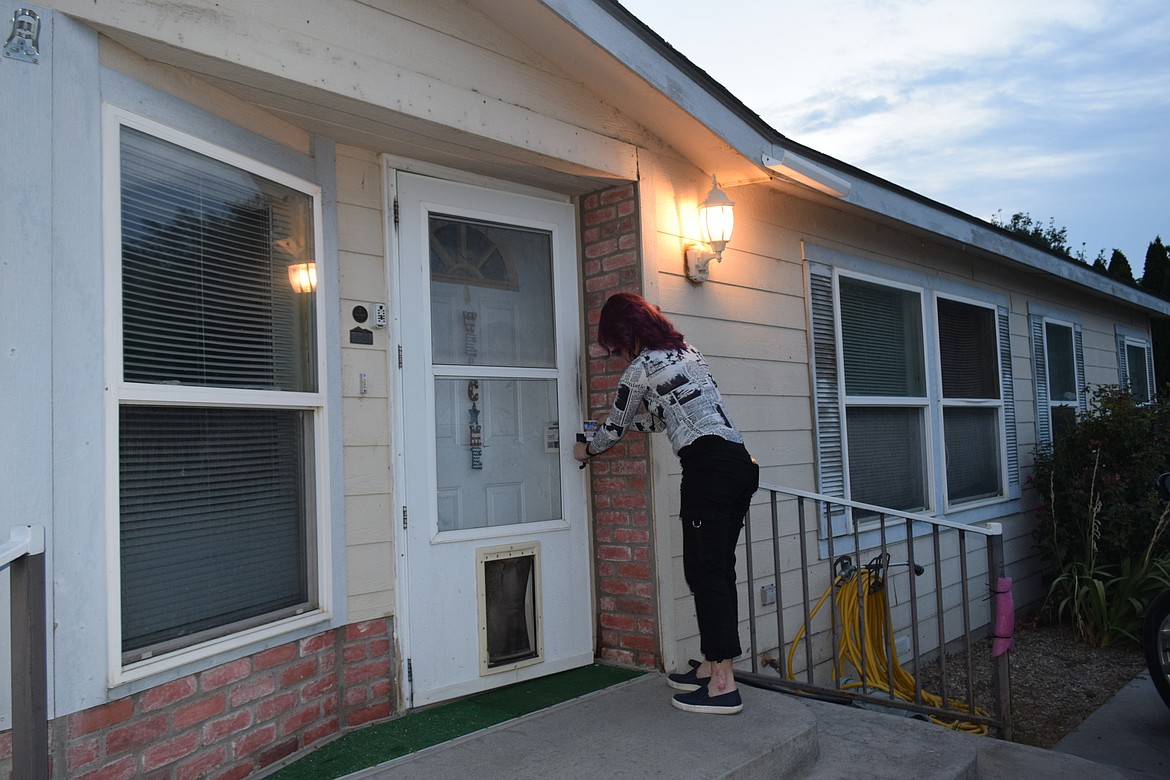
After three years, Hagquist knows which customers want their paper rolled, which prefer it folded, which need it placed on a porch and which require blue plastic bags to protect papers from sprinklers or morning dew. She knows which newspaper racks sell the most copies and which subscribers will notice if their paper arrives even a few minutes later than normal.
"I know all my customers personally, how they like it, how they don't," she said. "I can tell you which ones have to have it which way."
Those relationships are what keep many carriers coming back year after year.
One of Hagquist's customers, Jackie Wall, said she notices immediately when someone else covers the route.
"I can tell when she has a day off," Wall said. "It's either here or it's over there or somewhere. With her, it's always the same spot."
Wall said Hagquist's consistency matters.
"Absolutely," Wall said when asked whether Hagquist does a good job. "She has a smile every morning. Good attitude."
Those personal connections often become the most rewarding part of the work, Hagquist said.
Hagquist recalls one subscriber telling her she didn't even read the newspaper. Instead, she kept her subscription because she enjoyed their morning conversations.
Another customer leaves handwritten cards. Others have given homemade zucchini muffins, holiday gifts or simple notes thanking her for brightening their day. Hagquist keeps those notes pinned to a corkboard at home.
Her favorite note came from a retired firefighter who thanked her for consistently bringing the newspaper to his door.
"He wrote, 'Thank you for your great service. You are the best carrier we have ever had,'" Hagquist said.
The connections can also bring heartache.
Over the years, Hagquist has learned customers' routines so well that when something changes, she notices.
She has requested welfare checks after seeing newspapers pile up or noticing signs that something wasn't right at a subscriber's home. On one recent morning, concern grew after a customer who never let newspapers accumulate had three days' worth sitting untouched. The man later explained he had been at the hospital with his wife, but he thanked Hagquist for checking on him.
In another case, she grew concerned when newspapers continued piling up at an elderly couple's home and eventually learned one of the residents had died.
"That's the hardest part," Hagquist said. "Getting to see these people on a daily basis and then losing them."
Longtime carrier Jessie Menchaca understands that feeling.
Menchaca has delivered newspapers in Moses Lake for 21 years. What started as helping cover a friend's route eventually became a career built on customer relationships and community service.
Today, he delivers roughly 200 newspapers and travels about 120 miles each day. His morning starts around 2 a.m. and usually ends near 8 a.m.
Like Hagquist, Menchaca prefers delivering newspapers directly to customers' porches when possible.
Several years ago, he took over a route where readers frequently complained that their newspapers could not be found. Rather than tossing them into yards or driveways, he began placing papers on porches, in newspaper tubes and even on door handles.
"The only way I knew how to fix it was taking it to the porch," Menchaca said. "I got to know the people that I deliver for."
Many of those customers became friends.
Some shared stories over morning coffee. Others left cards, baked goods or holiday tips. One customer appreciated his service so much that she left him her vehicle after her death.
"She waited every day for me to come out so she could talk to me," Menchaca said. "That just warmed my heart."
The work isn't always easy.
Carriers battle snowstorms, windstorms, ice, flat tires and mechanical breakdowns. They navigate wildlife, dark roads and occasionally curious neighbors wondering why a vehicle is stopping at mailboxes before dawn.
Earlier this summer, Hagquist was involved in a fatal traffic collision while delivering newspapers. Despite the emotional toll, she returned to work the next day.
"It was very hard and emotional," she said. "But I'm no quitter."
Even on difficult days, carriers say they understand the importance of what they do.
Many subscribers depend on the newspaper as part of their daily routine. Some readers look for obituaries. Others complete crossword puzzles, read community news or simply enjoy holding a physical newspaper in their hands. For many elderly subscribers, that newspaper remains one of their primary connections to the community.
Publisher Bob Richardson said carriers play a critical role in that connection.
"They are the backbone of conveying our news to our readers," Richardson said. "Without those guys, we wouldn't be able to get such a wide delivery area done in a timely manner."
As dawn breaks over the Columbia Basin, readers find newspapers waiting in mailboxes, on porches and at front doors. Most never see the hours of work that happened before sunrise to make that possible.
For the region's carriers, that's okay.
The reward comes from knowing someone is starting their day with a newspaper they worked hard to deliver.
"It's fulfilling for me," Hagquist said. "Knowing that because of me, their day can be better all because of a paper."