


Stoke Space looking for first launch in 2027
MOSES LAKE — The owners of Stoke Space Technologies are planning the first launch of the company's reusable space vehicles in 2027.
"As early as we can do it next year," said Stoke Space Chief Executive Officer Andy Lapsa.
Lapsa and Chief Operations Officer Jonathan Lund attended the Port of Moses Lake commission meeting Monday to update commissioners on the company's progress, and to thank port officials and commissioners for the support they've received since they arrived in Moses Lake in 2021.
"We started with an initial lease of 2.3 acres," Lapsa said.
Lund said two different launch vehicles are in development. The one expected to be launched next year delivers three tons of payload to low Earth orbit, Lund said; the other, which is not as far along, will deliver 15 tons.
Stoke Space is built on the theory that making the most of the opportunities for commercial use of space involves reusable parts.
"Both vehicles are two stages to orbit. Both stages are designed to be reusable and come back. Where we want to get in the long run, as these things go to orbit, they come back, they turn around, and they fly again with something like aircraft-like frequency. That is really the key to open up space as a commercial and a government ecosystem," Lapsa said.
Customers are out there, he said.
"We've now become one of only two companies developing fully reusable rockets. We have over a billion dollars in commercial backlog, and that number could be quite a bit higher," he said.
Stoke's owners believe demand would – and will – increase as the company is able to deliver bigger payloads, he said.
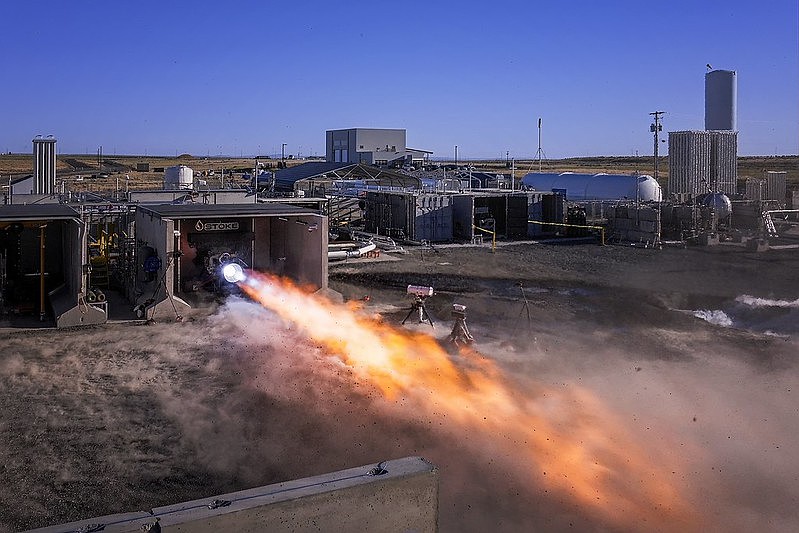
Katherine Cruz, Stoke vice-president for the Moses Lake test site and for operations, said the company's first-phase engines are in the final phases of testing.
"We have actually already acceptance-tested our flight one engine," she said.
Cruz said in an earlier interview that the company hopes to do something that's not done now. There is a market for companies taking payloads into space, but it's expensive, and to make it more affordable, companies put a lot of different customers' cargo on one rocket. That gets the payloads to space, but not necessarily to their final destination, she said.
“Since we are going to be cheaper and faster, we can take on less customers and take you exactly where you want to go, because it'll be more accessible,” Cruz said. “We do think there's a market for that.”
Stoke's second rocket is now in Moses Lake, Cruz said. It too is on its way to Cape Canaveral, for additional tests.
"We basically did a lot of the operations we would do for launch here in Moses Lake. We loaded it with propellant," Cruz said. "We didn't use fuel; we used oxygen and nitrogen. That simulated the fuel load in a safer way, and we learned a lot about how this (rocket) behaves. We also put it through its paces, made sure it could withstand the fluids cases and the structural cases that it will need for launch and it passed very quickly."
Stoke's presence has grown from its original site to about 550 acres, including 324 acres leased earlier this year across the road from the existing location on Road G Northeast.
"Beyond that, we're investing substantial amounts of capital to build out this infrastructure for new test stands, utilities, and the area across the street allows expanded capabilities for our test operations, which is required to get all of our data from all of our component testing, engine testing, and stage testing for this next generation vehicle," Lund said.
The support the company has received from the port has been crucial, Lapsa said.
"I remember it very clearly. I called from my co-founder's garage. It was just the two of us to start building that relationship. We came out here; we started with an initial lease of 2.3 acres," Lapsa said. "It was a very deliberate 2.3 acres that helped us get going. Neither of us came from means, and so everything that we've been able to grow from that point has been – it's been a slog, but it's been with partnership from you guys, and I really appreciate that. We wouldn't be here without you. If you fast-forward six years later, we've now become one of only two companies developing fully reusable rockets."
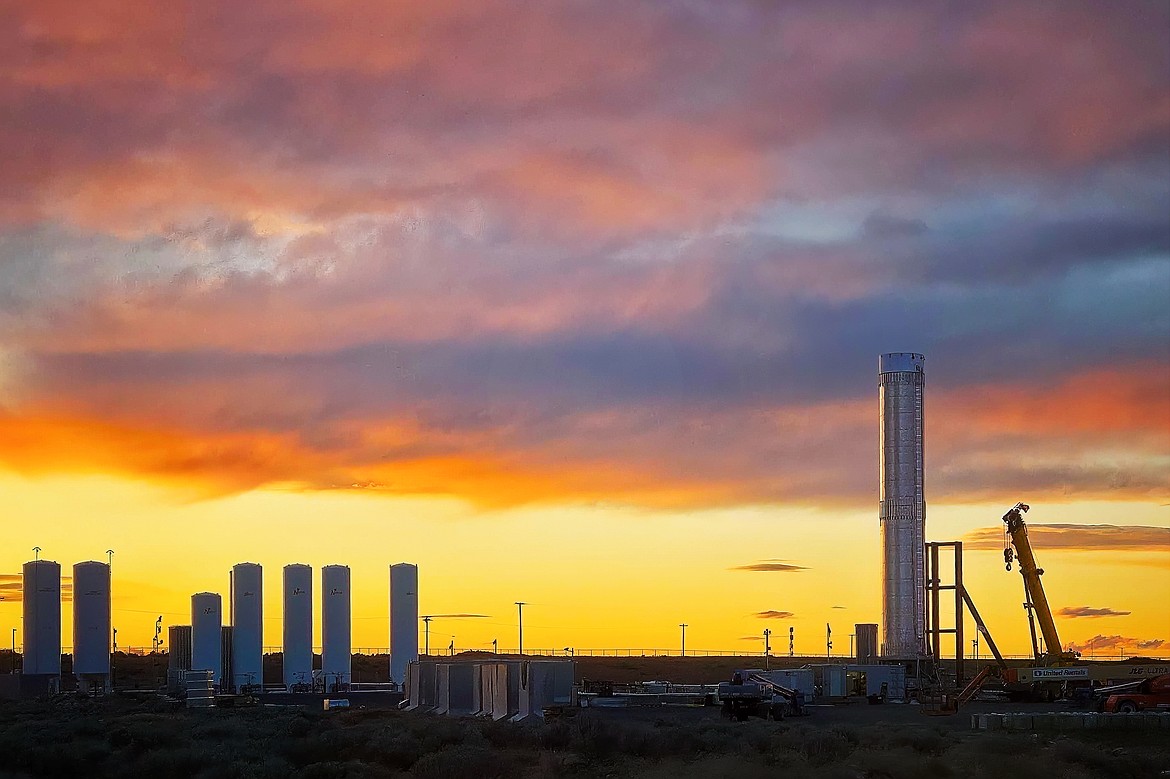
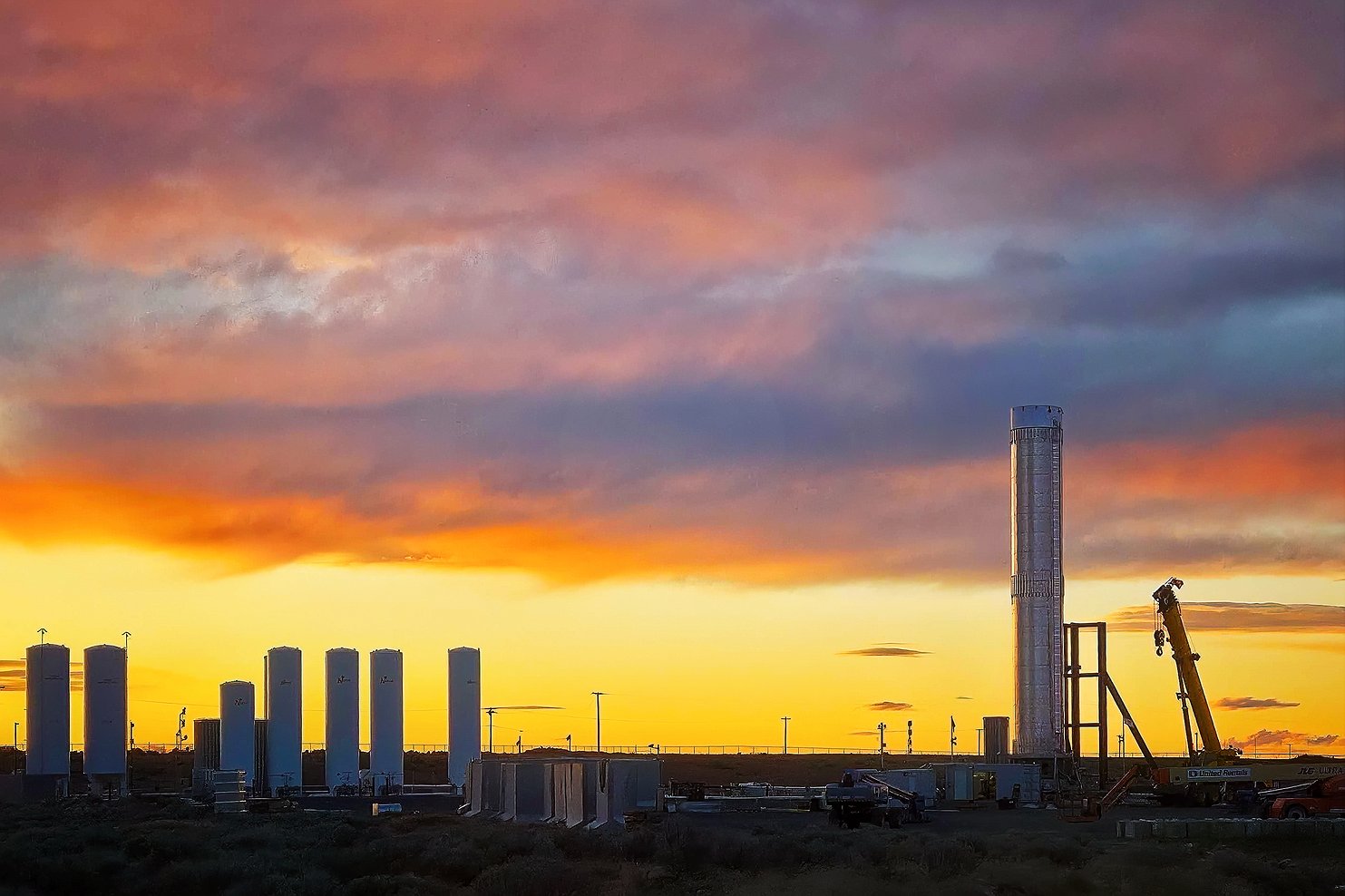 The Stoke Space testing facility in Moses Lake has been crucial to the company's expansion, according to company officials.