
‘Be the crutch’
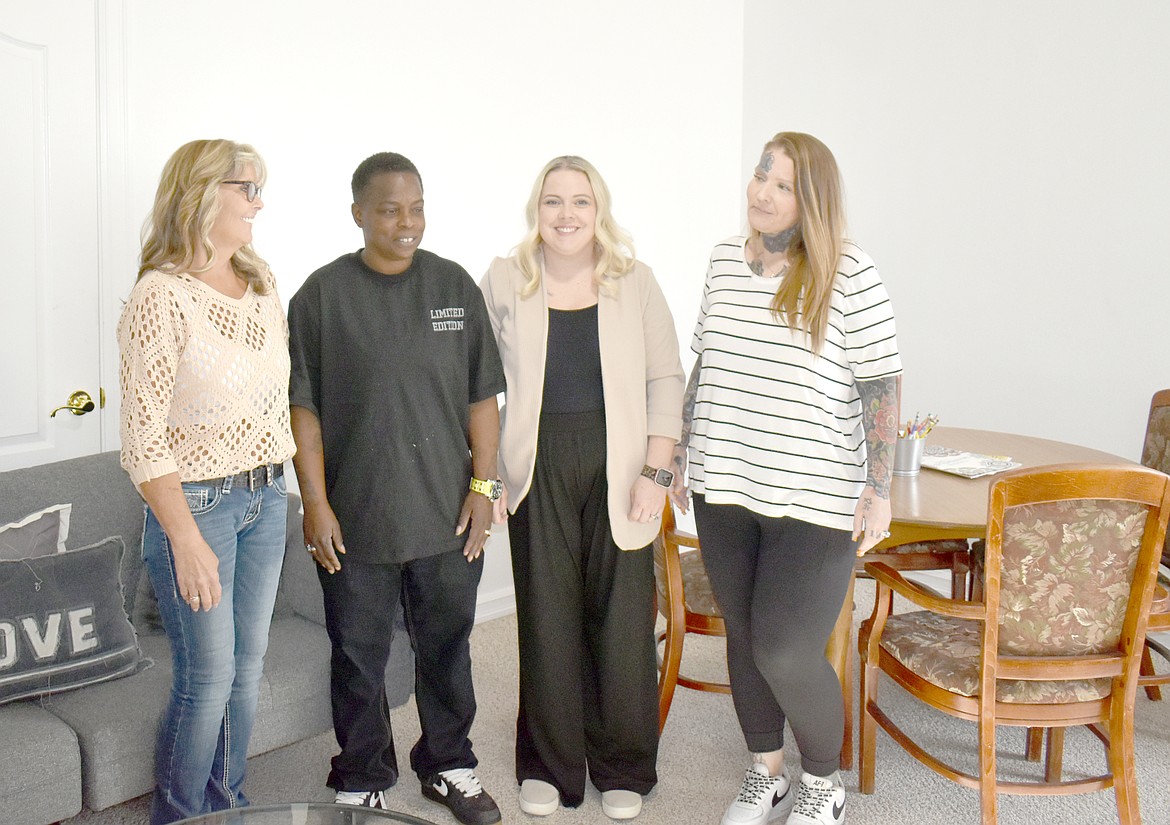
From left: Donna Bottineau, Leora Guery, Brandi Russell and Kara Fithen draw on their own life experiences to help others through North Central Washington Peer Connection.
JOEL MARTIN/COLUMBIA BASIN HERALD
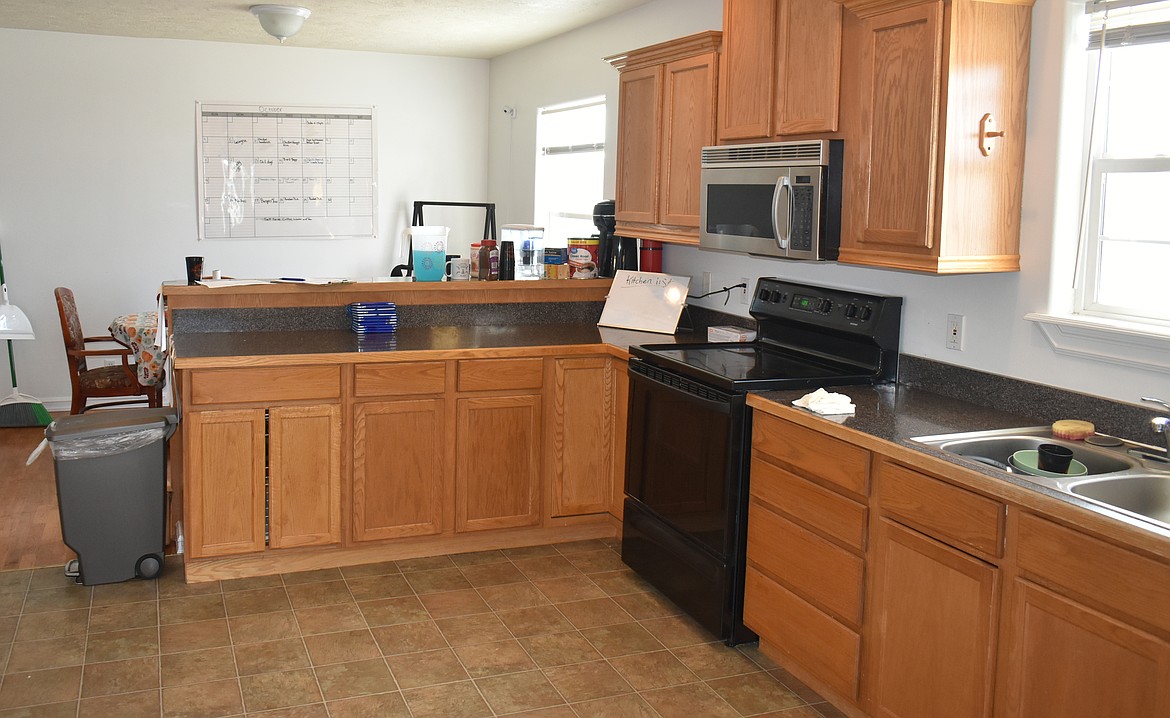
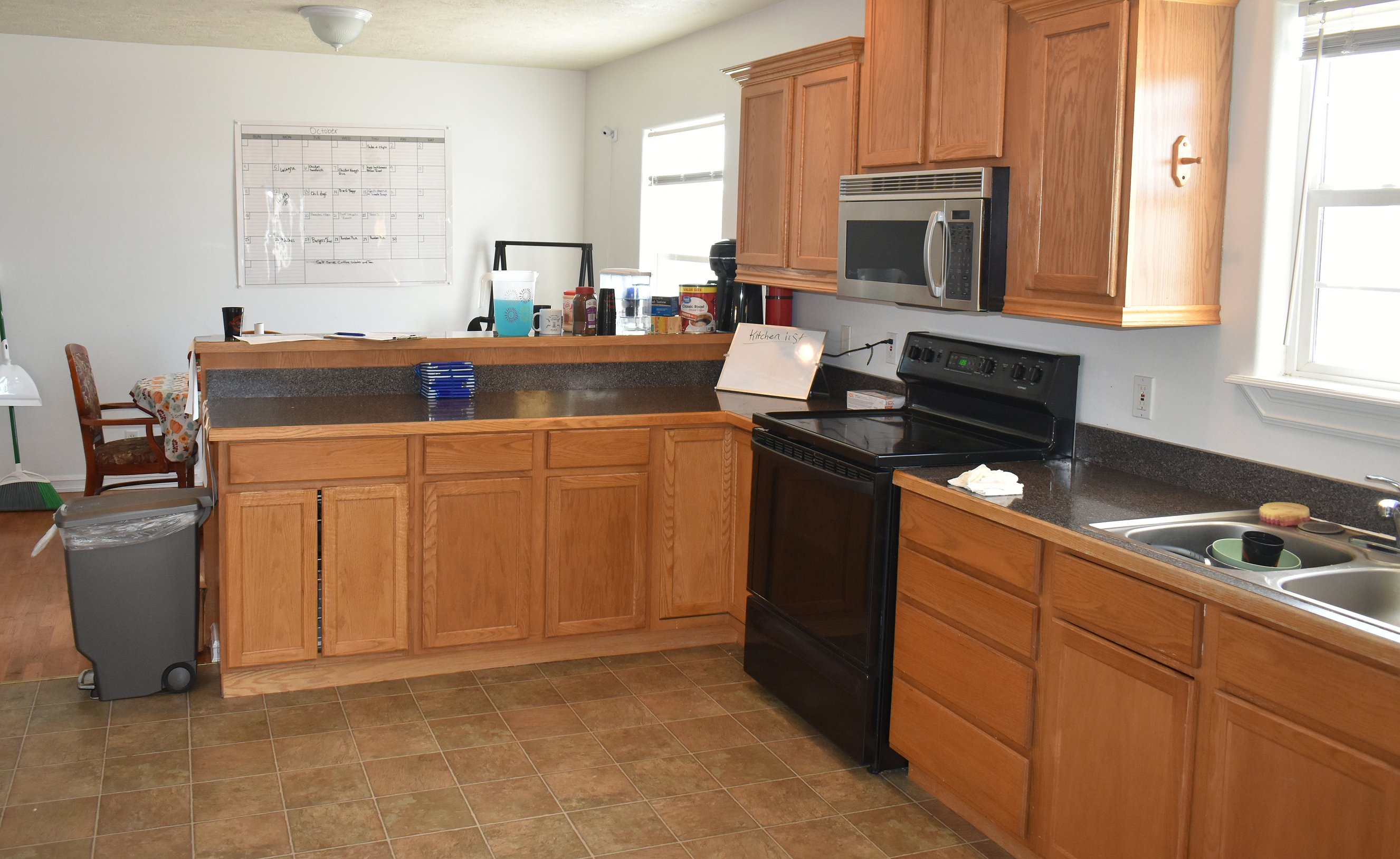
The kitchen at North Central Washington Peer Connection offers free hot meals whenever the office is open.
JOEL MARTIN/COLUMBIA BASIN HERALD
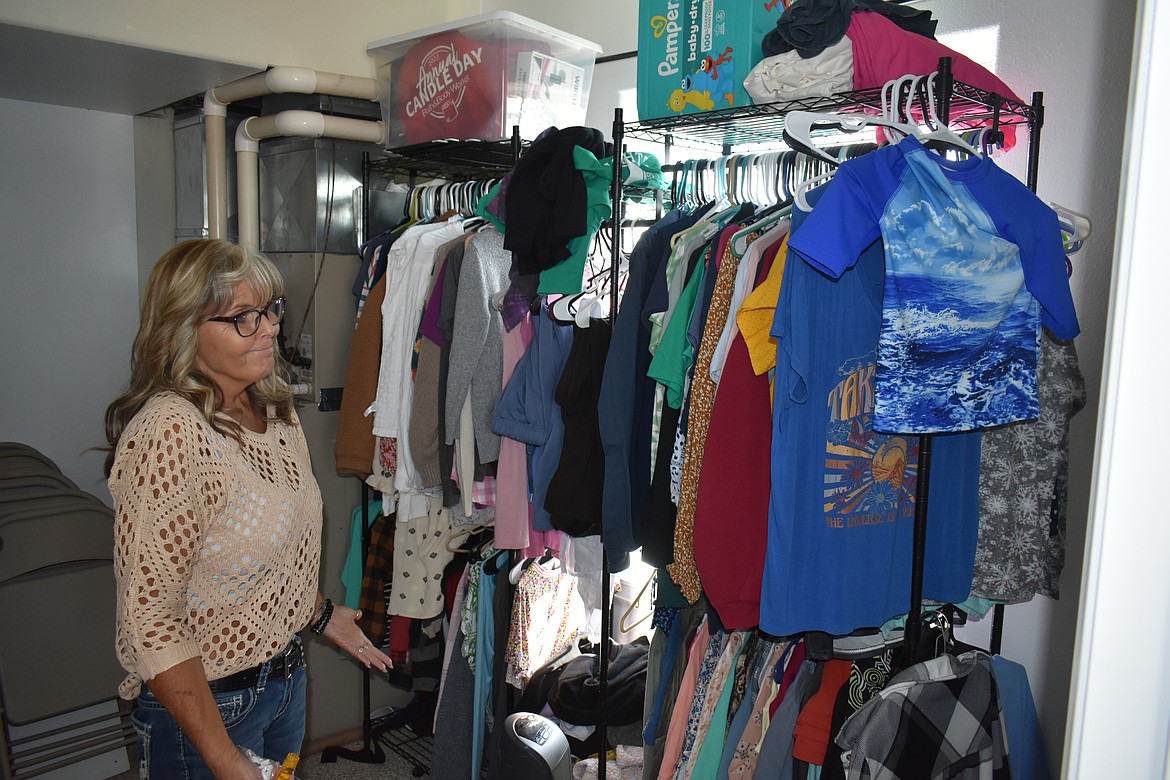
Donna Bottineau shows the small donated clothing closet at North Central Washington Peer Connection.
JOEL MARTIN/COLUMBIA BASIN HERALD
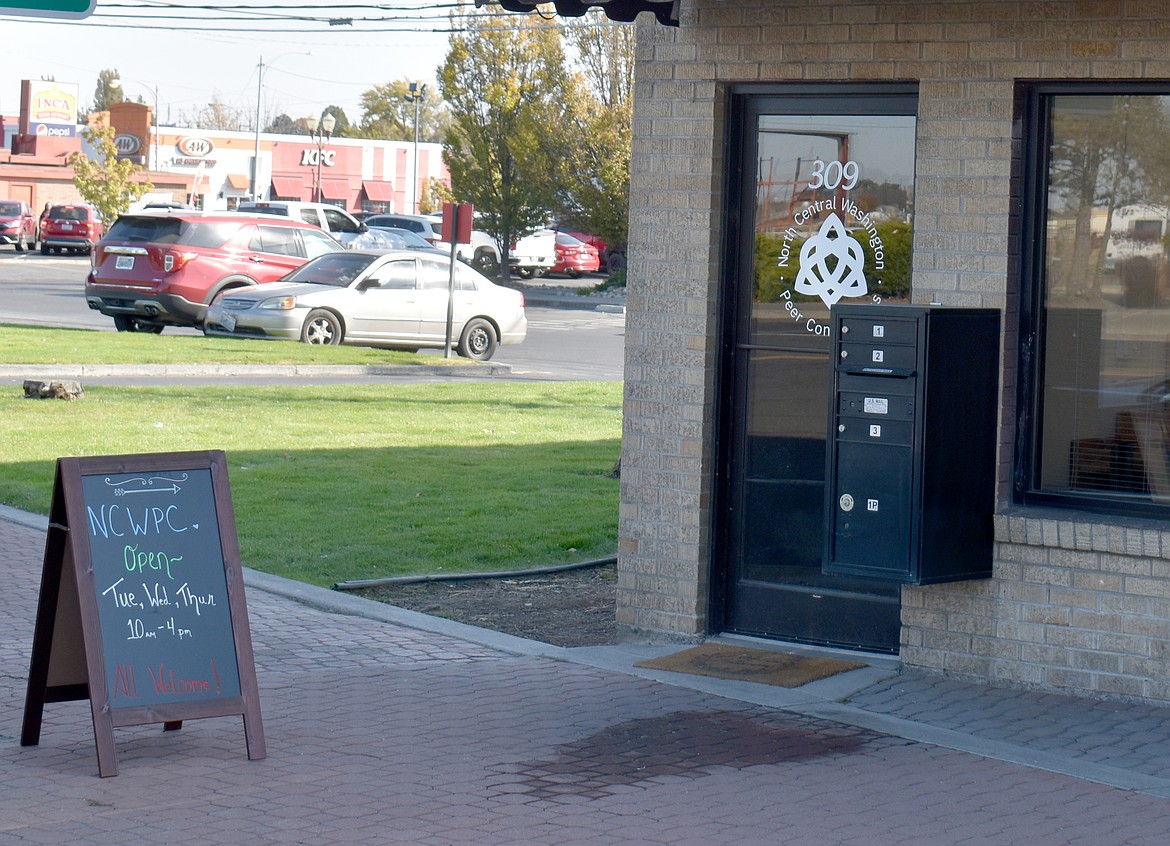
The entrance to North Central Washington Peer Connection’s facility is easy to miss if you don’t know where to look.
JOEL MARTIN/COLUMBIA BASIN HERALD
MOSES LAKE — In a little converted upstairs apartment in downtown Moses Lake, a few people are quietly making a huge difference.
“We help people with housing, education, employment; if they want to get food stamps, we'll help them do their application for food stamps,” said North Central Washington Peer Connection Program Director Brandi Russell. “Whatever they're walking along the path to, we'll stand with them and help them with that at the moment.”
Sometimes that involves helping people find a bed in a rehab center, and sometimes it means finding housing, and sometimes it means helping them resume their education, Russell said. But sometimes the goals are more immediate: food, clothes and a place to go that doesn’t cost anything.
Russell is one of four people at NCW Peer Connection. Her mom, Donna Bottineau, is the CEO, Kara Fithen volunteers her services as well as working for another agency based on the west side and Leora Guery does peer support.
The location on East Broadway is small, but it’s serviceable. There’s a kitchen where the team always has hot food available, and a bathroom with a shower anyone is welcome to use, and a washer and dryer. There’s also a small donated clothes closet in a back room, and a clean, spacious living room with a table, chairs, couch and free Wi-Fi. There are usually seven or eight peers using the space at any given time, Russell said.
NCW Peer Connection uses the word “peer” rather than “client” for the people it serves, because that’s exactly what they are. Everybody at NCWPC has a story that sounds a lot like some of the people who come to them. Bottineau recounted living in her car, with one small child and pregnant with another. Her life was turned around when a kind person let her stay on their couch, she said.
“We all carry our own unique situations that in most agencies, most programs, would disqualify you,” Bottineau said. “But in ours, it's a qualifying factor because you can make that connection.”
“I have been an addict, I've been homeless. I have been in prison,” Fithen said. “I have faced a lot of the challenges that our peers face. And I know what it took for me (to overcome those challenges) and I don't know what it takes for them, but I know that I can provide support and be there all the way.”
Providing that support means that NCW Peer Connection knows what’s happening in peers’ lives, Fithen said, which can make all the difference in the world.
“Our peers are so close to us that we notice when somebody hasn't been in for a few days or a week or a few weeks,” Fithen said. “That's when sometimes we'll go down and be like, 'Has anybody seen this person?’ or I've run into them and I'll be like, ‘Are you okay? How are you doing?’ Because sometimes just that little bit of connection is like, ‘Somebody actually cares about me enough to come look for me.’”
None of the four has a background in social services. Fithen and Guery are both working toward bachelor’s degrees in health and human services, and Russell is a couple of classes away from a bachelor’s in business administration. That’s a good education to have when you run an organization on the sort of budget NCW Peer Connections gets by on. The organization recently received a $20,000 grant from Confluence Health, and the Moses Lake Food Bank and Care Moses Lake chip in food and hygiene supplies, Russell said, but much of their funding comes from a contract with the Healthcare Authority of Washington, which recently cut its support by 35%.
NCW Peer Connection has some very visible success stories, like the peers they’ve been able to get into rehab, or the lives that have been saved with Narcan. Still, not everybody has such a tidy ending, and some people take longer than others to get there. From the outside, that can look a lot like coddling people who don’t want to change, Guery said.
“I enjoy working for an organization that is considered a crutch by negative-minded people,” she said. “Because when you break a leg and you go to the doctor, the doctor prescribes you crutches. You have to have something to lean on until you can heal. And some people have to lean a little longer and some people heal a little quicker. People stigmatize the crutch as a bad thing, but it's a healing property. I'll be the crutch until they heal.”
North Central Washington Peer Connection
309 E. Broadway Ave.
Moses Lake
10 a.m.-4 p.m. Tuesday-Thursday
509-707-0277
 The kitchen at North Central Washington Peer Connection offers free hot meals whenever the office is open.
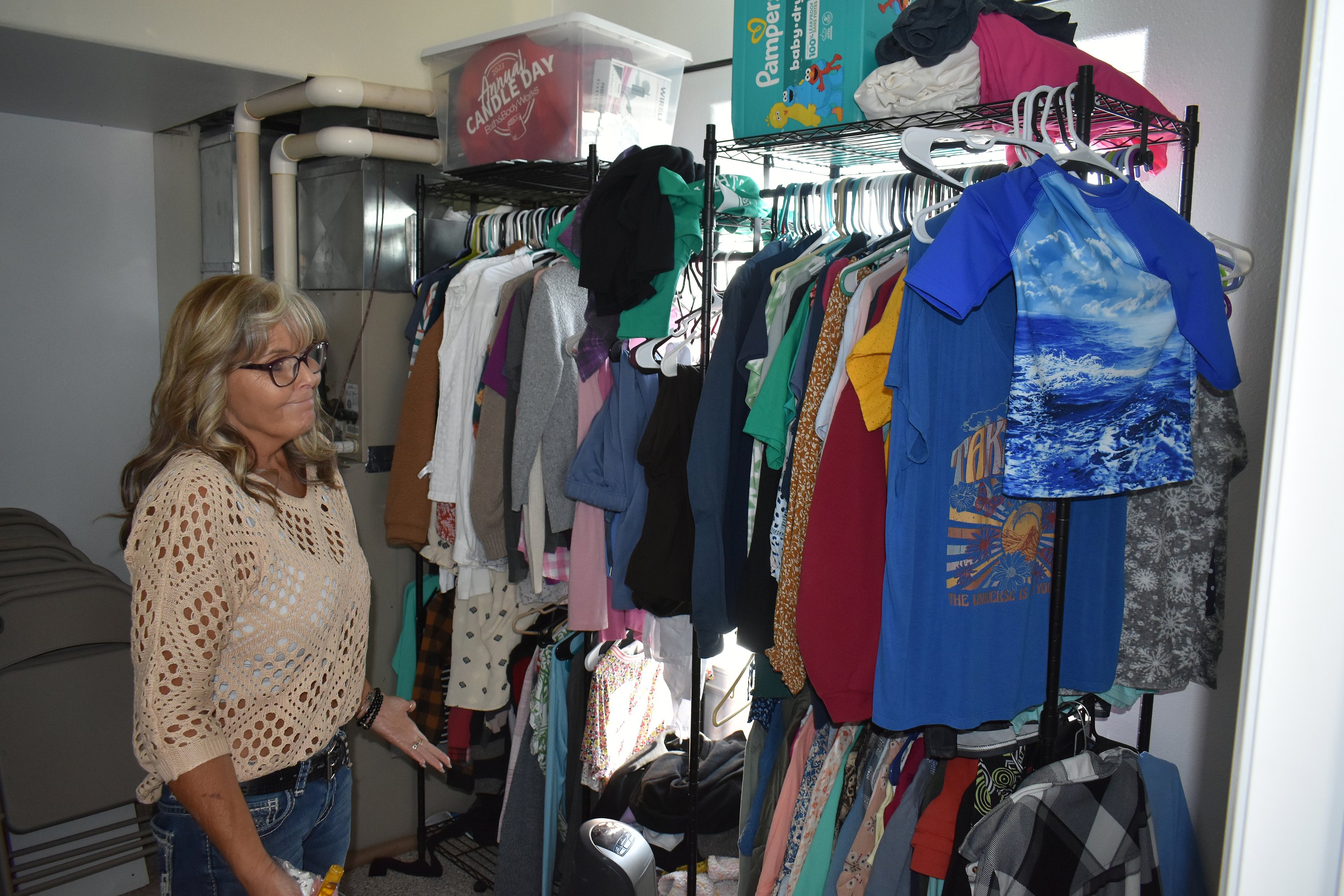 Donna Bottineau shows the small donated clothing closet at North Central Washington Peer Connection.
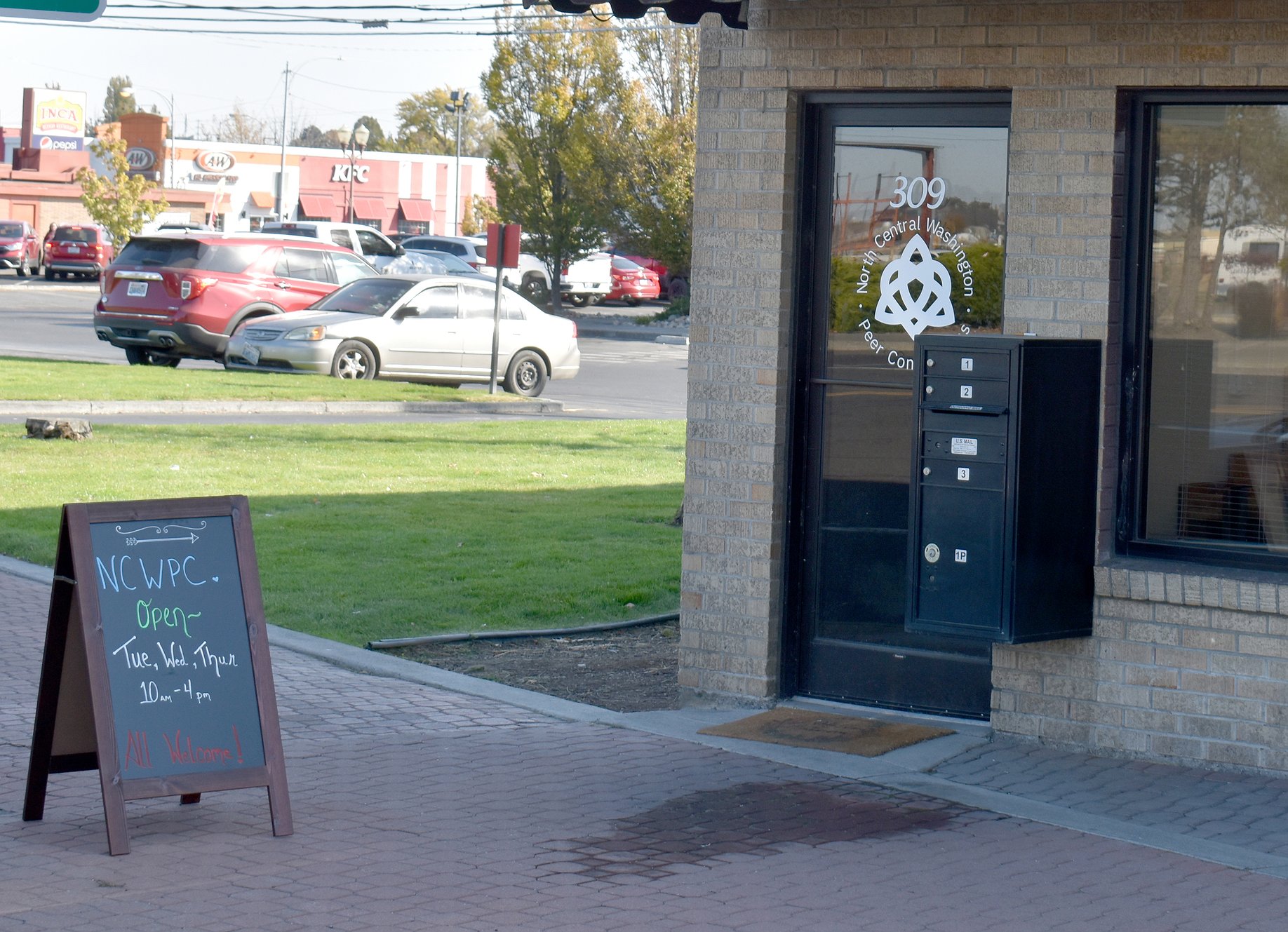 The entrance to North Central Washington Peer Connection’s facility is easy to miss if you don’t know where to look.