


Discover how proper weight distribution and tie downs protect your vehicle on long trips
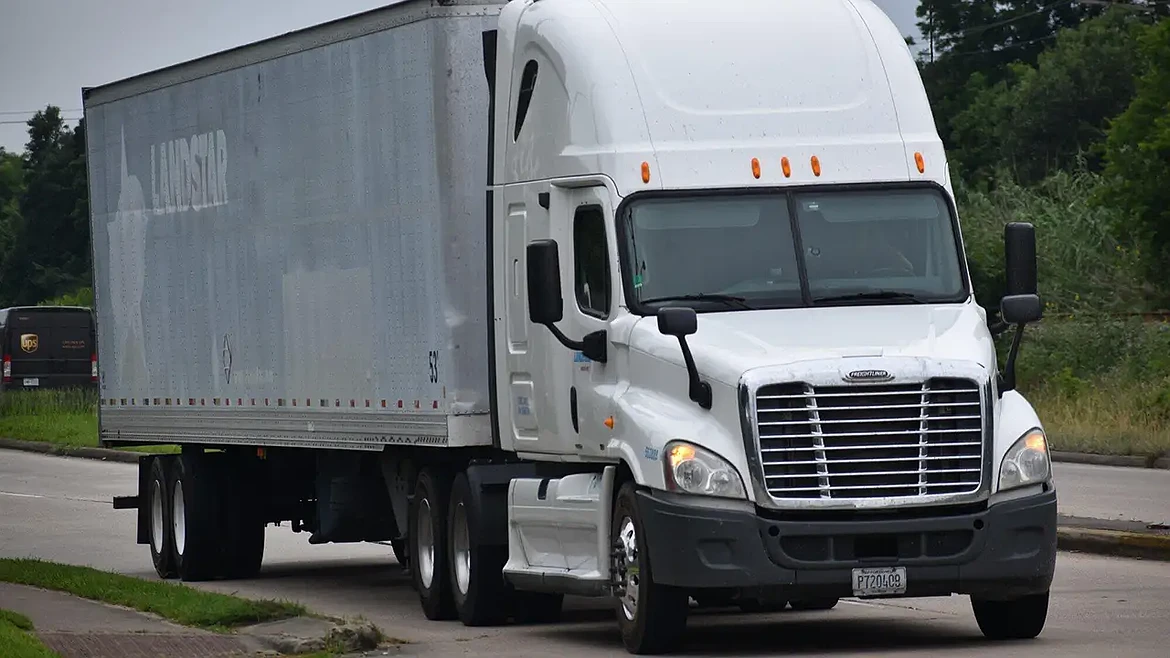
Load heavy items low, centered, and close to the axles, then secure everything with rated tie-downs. This secure transportation keeps weight balanced and cargo from sliding when you brake or corner. Recheck your straps and cargo position at your first rest stop.
The AAA Foundation for Traffic Safety research estimates road debris, including fallen cargo, factored into 319,724 U.S. crashes from 2018 to 2023, with furniture and sporting equipment among the most common cargo involved. Your own gear probably looks a lot like that list, and a strap that loosens around mile 200 can send a piece of it sliding across your cargo area, tugging your vehicle off balance, or spilling onto the highway.
Spend ten minutes loading and strapping, and you'll have secure transportation for the whole trip.
Why Does Weight Distribution Matter for Secure Transportation?
Good weight distribution shapes how your vehicle handles every turn and stop. A misplaced load can pull your vehicle to one side.
Keep Heavy Items Low and Centered
Place your heaviest items low and in the middle, between the wheels. Low weight really improves load stability in turns. The Federal Motor Carrier Safety Administration reports that loaded commercial vehicles with a high center of gravity roll over at a sideways acceleration above 0.35 g, a unit based on the pull of gravity.
Balance Side to Side and Front to Back
Split your cargo evenly between the left and right sides. Uneven loads lean the vehicle and wear one tire faster than the others.
Stay Within Your Weight Limits
Next, find the weight limit for each axle and each tire in your owner's manual. A load under the total limit can still overload one tire, and roof racks have their own limit.
How Do Tie-Downs Keep Your Cargo Secure?
Tie-downs hold your cargo in place so a sudden stop can't throw it forward. Good cargo safety starts with straps that match the weight of what you carry.
Hard braking typically pushes cargo forward with a lot of force. The Federal Motor Carrier Safety Administration requires commercial trucks to secure cargo against a forward braking force of 0.8 g.
Some long trips call for premium Ratchet Straps with a weight rating that matches your cargo. Put at least two straps on any large or heavy item, and spread them across different anchor points.
Just check each strap for these details before you leave:
- A tag showing the weight each strap can hold
- Webbing free of cuts and frays
- Edge guards where straps touch sharp corners
Your Long-Trip Loading Checklist
Long cargo hauling puts hours of vibration and bumps on your straps. Straps can loosen, and cargo can settle during any heavy transport.
Use these quick checks at every rest stop:
- Pull each strap by hand to check for slack
- Look for cargo that leans or has moved since you left
- Check that roof-rack items still sit centered on the rack
Ten Minutes at the Start Protects Every Mile After
Weight distribution keeps your vehicle balanced, and tie-downs keep it that way once the road starts pushing back. Heavy items sit low and centered near the axles, straps hold everything in place through braking and corners, and a quick recheck of your secure transportation at rest stops catches anything that settled.
Enjoyed this read? Browse more on our website.
This article was prepared by an independent contributor which helps us continue delivering quality content to our audiences.