


Residents get first look at Moses Lake 2027 preliminary budget Tuesday
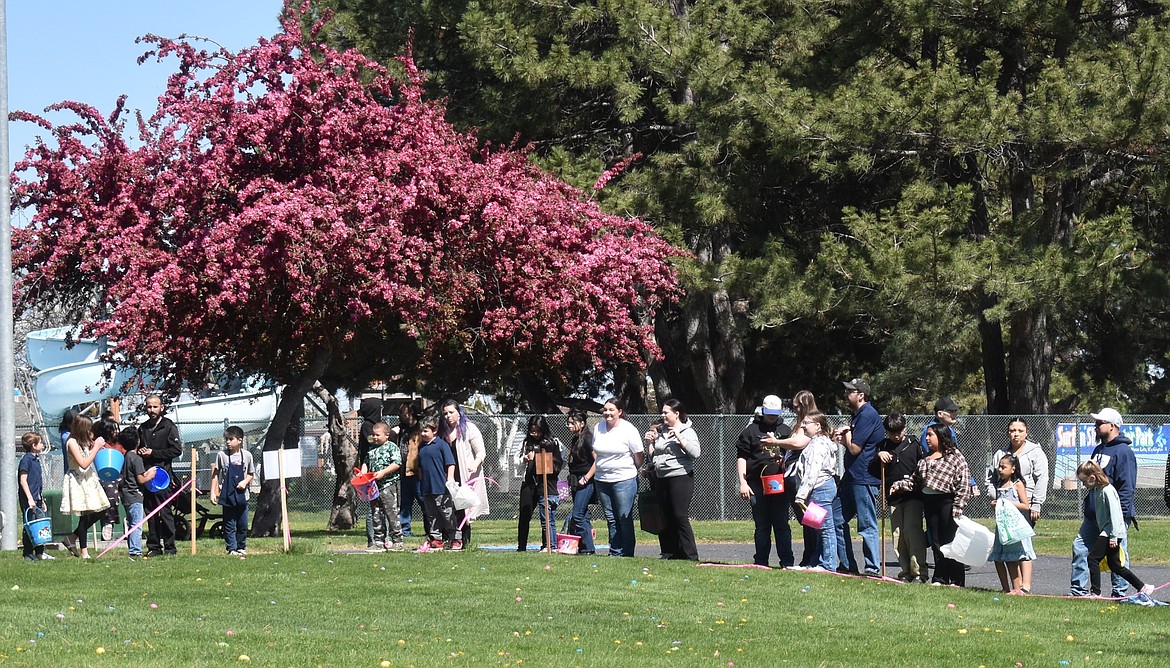
Families wait for the 2026 Easter egg hunt in McCosh Park. Park and recreation facilities will be among the city services considered during the 2027 budget process; residents will get their first look at the preliminary budget Tuesday.
FILE PHOTO
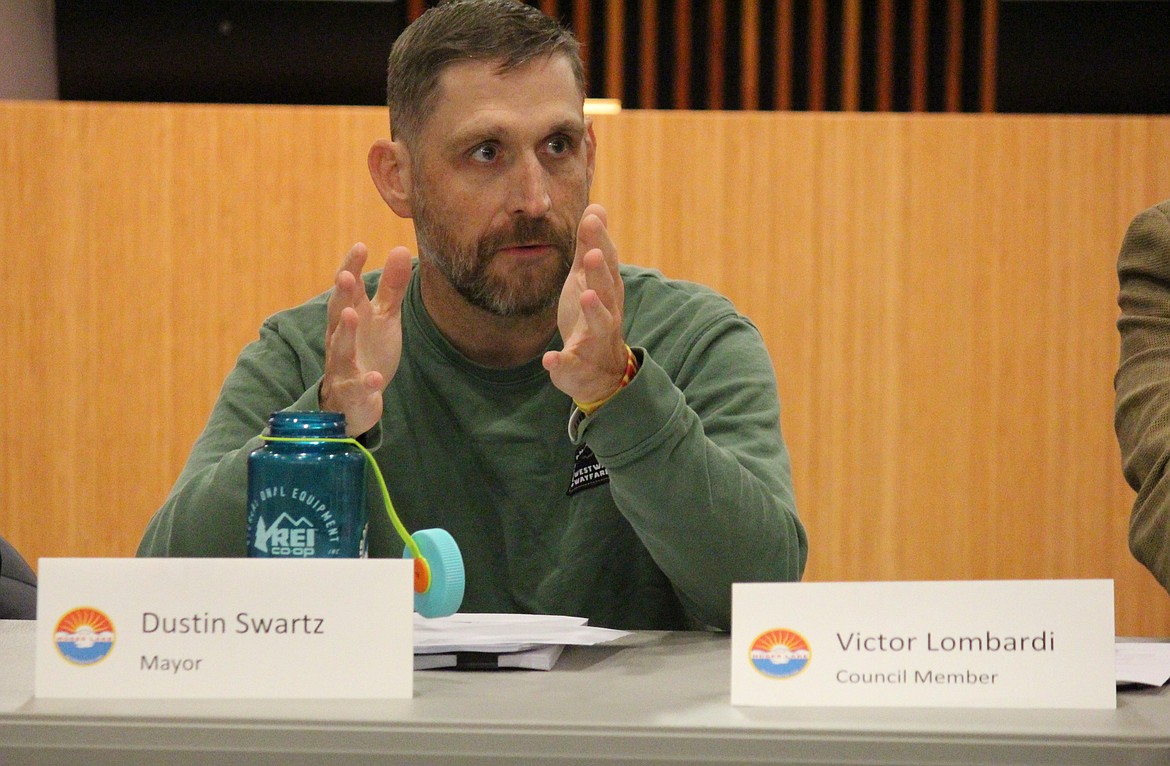
Moses Lake Mayor Dustin Swartz discusses water and water use during a 2025 meeting. Evaluation of proposed water projects and their cost will be among the topics in the 2027 budget process.
FILE PHOTO
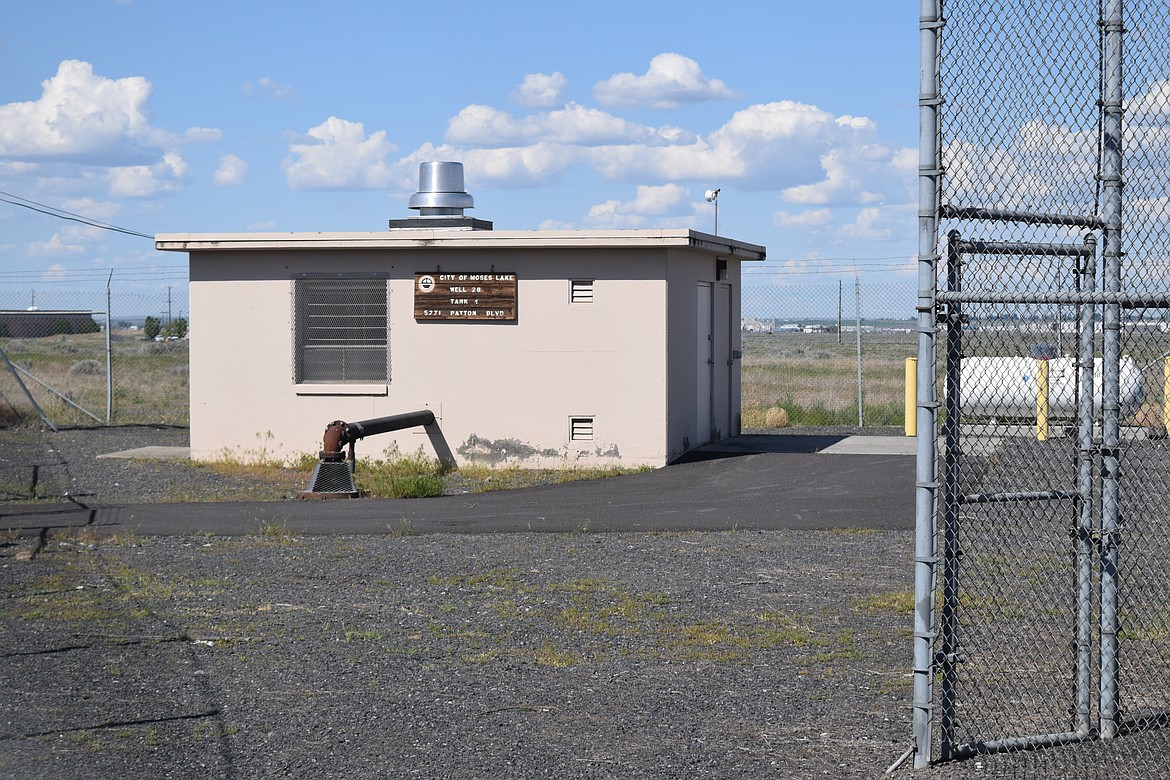
A Moses Lake water well. Water projects will be part of the budget evaluation process.
FILE PHOTO
MOSES LAKE — Moses Lake residents will get their first look at the city’s 2027 preliminary budget during a Moses Lake City Council meeting at 6 p.m. Tuesday. The 2027 budget is the second item on the agenda.
Moses Lake Mayor Dustin Swartz said city officials are encouraging residents to take a look at the 2027 budget, because there are going to be changes from previous practice. A reevaluation of city spending and revenue was prompted by two years of deficits in the city’s general fund.
“We understand there are going to be some drastic changes in the budget,” Swartz said.
Among other things, council members spent most of spring 2026 reviewing city income and expenses and looking at ways to reduce and ultimately eliminate the deficits. The conclusions reached were incorporated into the city financial sustainability plan, adopted in April.
“That budget is informed by a lot of decisions already made,” Swartz said.
Tuesday’s presentation will focus on budget highlights. After the meeting residents can get a more detailed look at the proposals on city’s website, where the “preliminary budget book” will be available.
The budget process is one of those city processes that is sometimes interesting, sometimes dull, but affects every resident and visitor. Swartz cited the example of stormwater mitigation. Whatever its inherent interest, city residents are paying for it.
“It does show up on your utility bill every month,” Swartz said.
The budget process, and the final budget, determine a lot of what will happen in the community over the next year, he said.
“That is probably one of the most important public documents we produce,’ he said.
The general fund pays for most city operations, from the Moses Lake police and fire departments to city parks and the Moses Lake Museum & Art Center. The general fund spent more than it took in revenue in 2025, requiring a transfer from city reserves.
There is a deficit in 2026 as well, although it’s smaller, and it too required a transfer from city reserves. In light of that, city officials hired a consultant during the spring to make a six-year revenue forecast. The study concluded that the general fund deficit would grow – and eventually drain the city’s reserves – if city officials didn’t make some changes.
The sustainability plan process included a survey and public meetings, among other things, to get the opinion of city residents on the various options.
“We saw that public input and public knowledge was of great value to us,” Swartz said.
It's part of the policy of the current council to be more deliberate when making decisions and more transparent in the process, he said.
Council members and city officials ranked available services as part of the fiscal sustainability process, starting with essential and sometimes mandated city services, like law enforcement and drinkable water. The second category was services that are not mandated but that cities usually provide, like park space. The third category included services that cities don’t have provide but can if they choose. Things like the museum and Larson Recreation Center were allocated to that category.
During the fiscal sustainability process, Moses Lake City Manager Rob Karlinsey said allocating services to the third category didn’t mean they were unimportant. But there might be other options to provide them, Karlinsey said.
During the summer city officials advertised to find organizations that might be interested in running the Larson Recreation Center. City officials also are looking at ways to convert the Moses Lake Museum to a standalone nonprofit, with partial funding from the city.
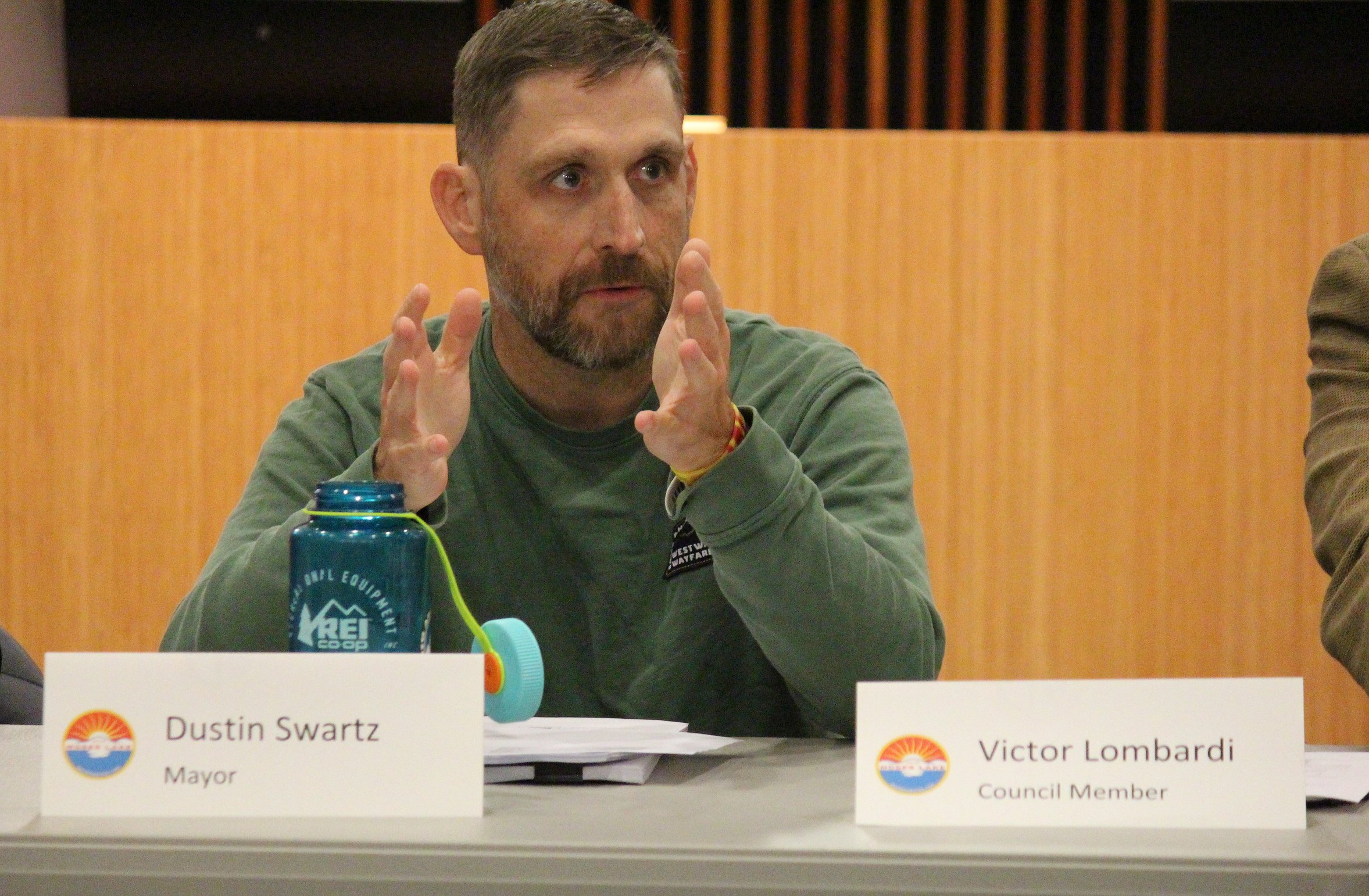 Moses Lake Mayor Dustin Swartz discusses water and water use during a 2025 meeting. Evaluation of proposed water projects and their cost will be among the topics in the 2027 budget process.
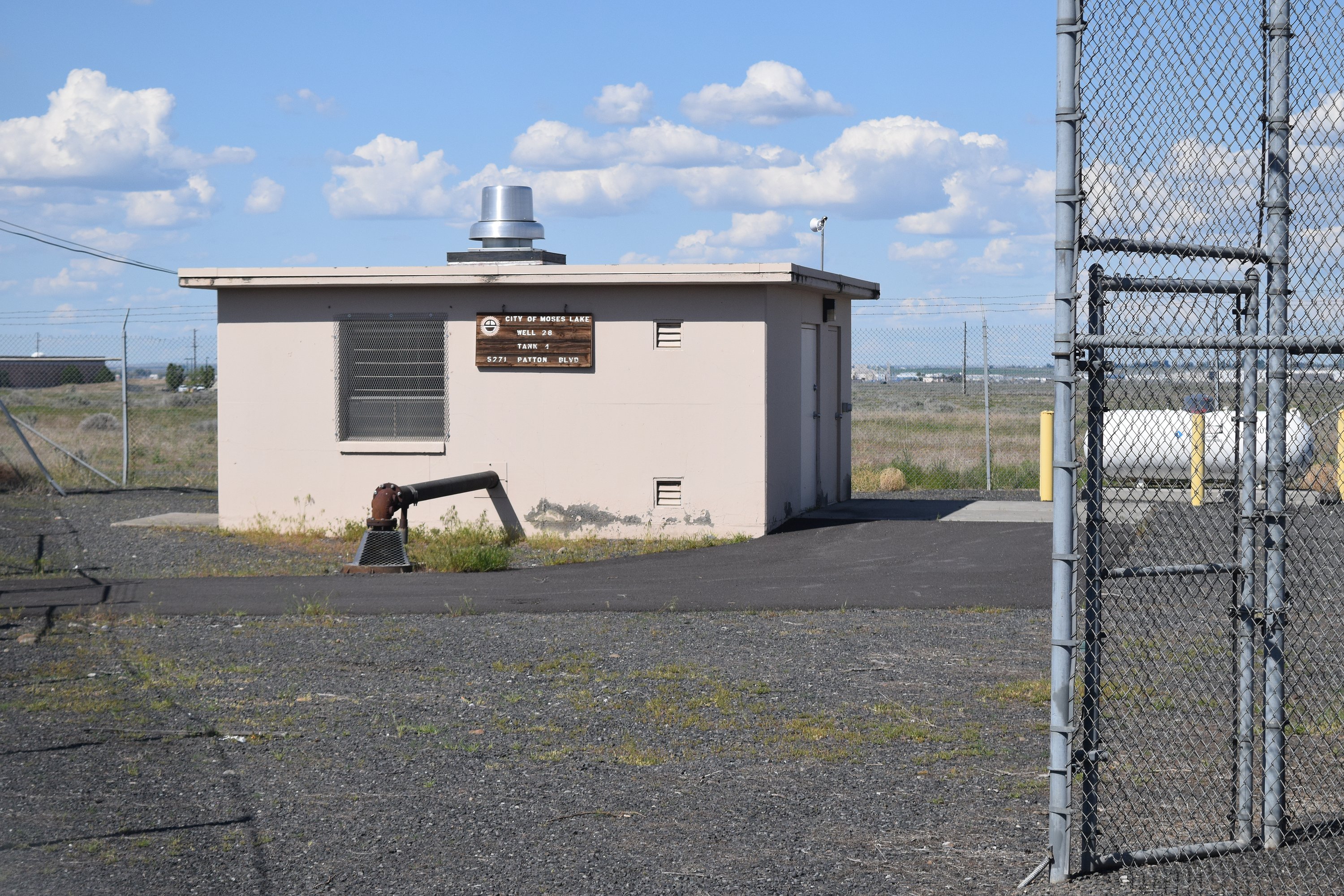 A Moses Lake water well. Water projects will be part of the budget evaluation process.