
Protecting Moses Lake from the shoreline up
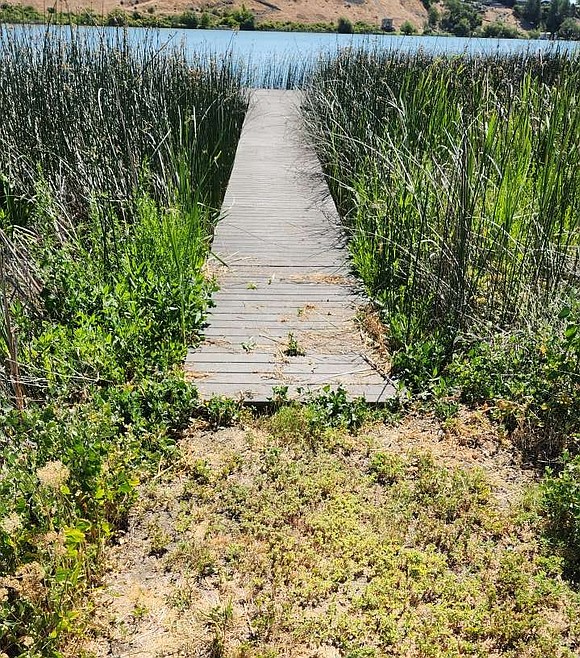
A private dock on Moses Lake surrounded by vegetation. Planting native flora on the lakeshore can slow erosion and provide shade to lower water temperatures.
COURTESY PHOTO/COLUMBIA BASIN CONSERVATION DISTRICT
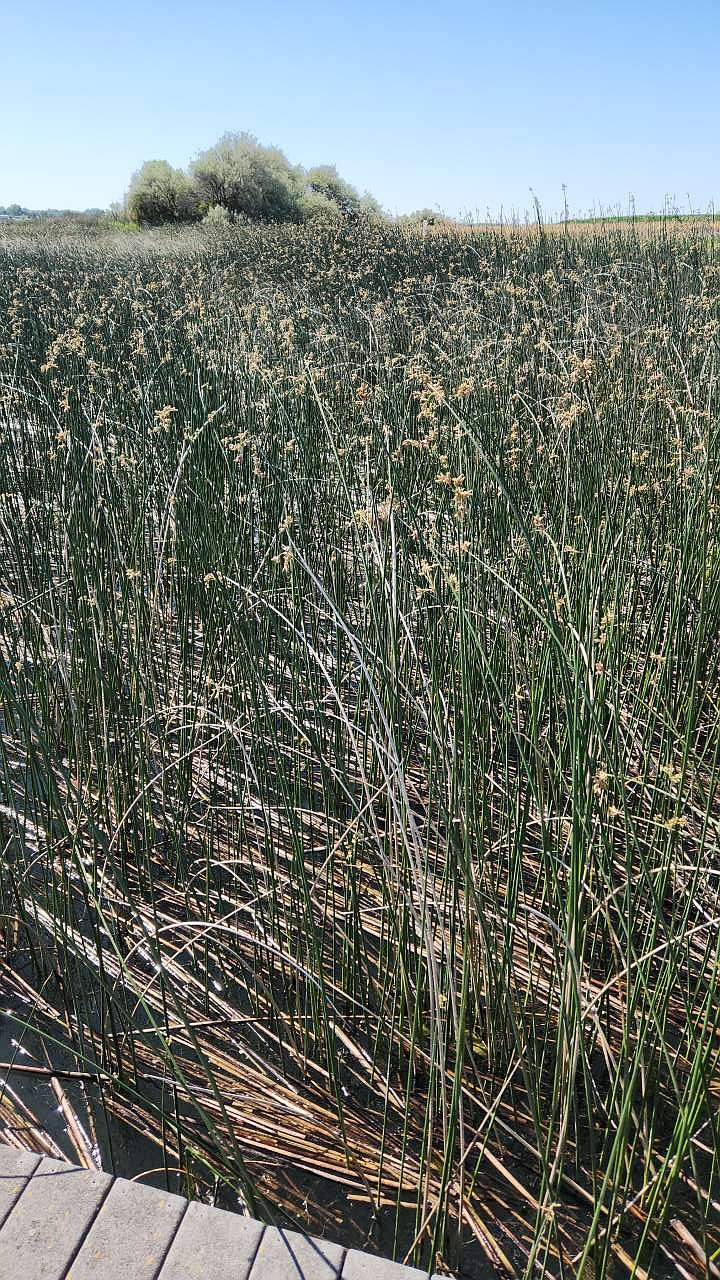
Bulrush, shown here, is a native plant that is vital for shoreline stabilization.
COURTESY PHOTO/COLUMBIA BASIN CONSERVATION DISTRICT
Moses Lake is the heart of our community, serving as a hub for recreation, the local economy, wildlife, and neighborhood living. However, harmful algal blooms can occur during the summer months, limiting recreational use of the lake and posing potential health risks to people, pets, and livestock. These blooms also raise concerns about impacts on the local economy. In response to these challenges, the Moses Lake Watershed Council was established to identify and facilitate community-led efforts to improve, protect, and preserve water quality in Moses Lake and the greater watershed for present and future generations.
“Our Watershed Council stakeholders and partners are essential to achieving lake health and will continue to be needed for generations to come,” Ron Sawyer, Chair of the Moses Lake Watershed Council, said.
While water quality challenges can seem overwhelming, meaningful solutions often start right in our own backyards. To help local residents protect their property and the lake they love, the Columbia Basin Conservation District is offering the Shoreline Nutrient Assessment Program, a completely free, voluntary and non-regulatory service designed specifically for shoreline landowners in Moses Lake and across Grant and Adams counties.
The SNA program is built around two key pillars: direct technical assistance and community conservation awareness. Rather than imposing regulations or mandates, the program pairs landowners with conservation professionals to identify practical, voluntary actions that reduce pollution while enhancing property aesthetics, shoreline stability, and habitat value.
Restoring shoreline ecosystems and protecting local flora and fauna
Enjoy bird watching? Planting native trees and shrubs along the shoreline that flower from spring to fall can help attract our feathery friends. Fall migration brings an influx of birds not seen the rest of the year. If you’re jealous of your neighbor hoarding all the birds at their place, it might not just be the bird feeders that are bringing them in. It could be that their shoreline has more native trees and shrubs that create the habitat that birds are seeking to feel safe while also having food to eat. The Shoreline Nutrient Assessment program helps create healthier shoreline habitats that directly support Moses Lake’s diverse native plant species and local wildlife population. By reducing excess nutrient runoff and stabilizing shoreline banks, landowners can help protect water quality and shallow wading habitat critical for species like the Great Blue Heron to hunt small fish and amphibians.
Establishing native buffers introduces resilient species like the Rocky Mountain iris (Iris missouriensis), Golden currant (ribes aureum), and red osier dogwood (Cornus sericea). These perennial plants thrive in moist shoreline soils, anchoring bank sediment with deep root systems while providing vibrant blooms. Mitigating algal growth through nutrient management keeps water clearer, allowing native submerged aquatic vegetation to receive necessary sunlight and supporting young fish nurseries. As individual waterfront properties participate, connected stretches of healthy native shoreline form continuous habitats for migratory birds, pollinators, and beneficial insects.
Practical solutions for waterfront properties
Every shoreline property is unique, and recommendations in an SNA plan are customized accordingly. Some of the core best management practices recommended through the program include:
Establishing Native Riparian Buffers: Planting native trees, shrubs, and perennial bunchgrasses along the water's edge creates a natural buffer strip. Deep native root systems trap sediment, absorb excess nutrients before they reach the water, stabilize banks against erosion, and provide shade to lower water temperatures.
Choosing Soft Shoreline Protection: Instead of traditional hard bulkheads, which can accelerate erosion on adjacent properties and destroy natural habitat, the program offers technical guidance on bioengineered, soft shoreline stabilization techniques.
Septic System Care & Maintenance: For properties with septic systems, proper maintenance is essential to prevent groundwater contamination and nutrient leakage into the lake.
Landscaping Alternatives: Integrating Heritage Gardens or rain gardens helps filter residential stormwater runoff naturally using drought-tolerant native plants suited for Eastern Washington's climate.
Removing barriers to conservation
For many property owners, navigating local shoreline regulations and permitting can feel intimidating. The CBCD works proactively with both the City of Moses Lake and Grant County planning departments to ensure that recommended native plantings and technical assistance align seamlessly with local Shoreline Master Programs. When permitting is required for specific enhancements, CBCD staff help facilitate the process, making conservation as simple as possible.
Furthermore, voluntary participation in the SNA program directly supports broader regional goals, such as improving water quality and aquatic health, and protecting native wildlife habitat like fish and waterfowl.
To request a free Shoreline Nutrient Assessment or to learn more about shoreline management resources, contact the Columbia Basin Conservation District at (509) 765-9618 or visit www.columbiabasincd.org.
Together, we can protect our shoreline, improve Moses Lake’s water quality, and preserve our natural resources for generations to come.
 Bulrush, shown here, is a native plant that is vital for shoreline stabilization.