
‘A wild-eyed bunch’: Moses Lake and the Columbia Basin Project
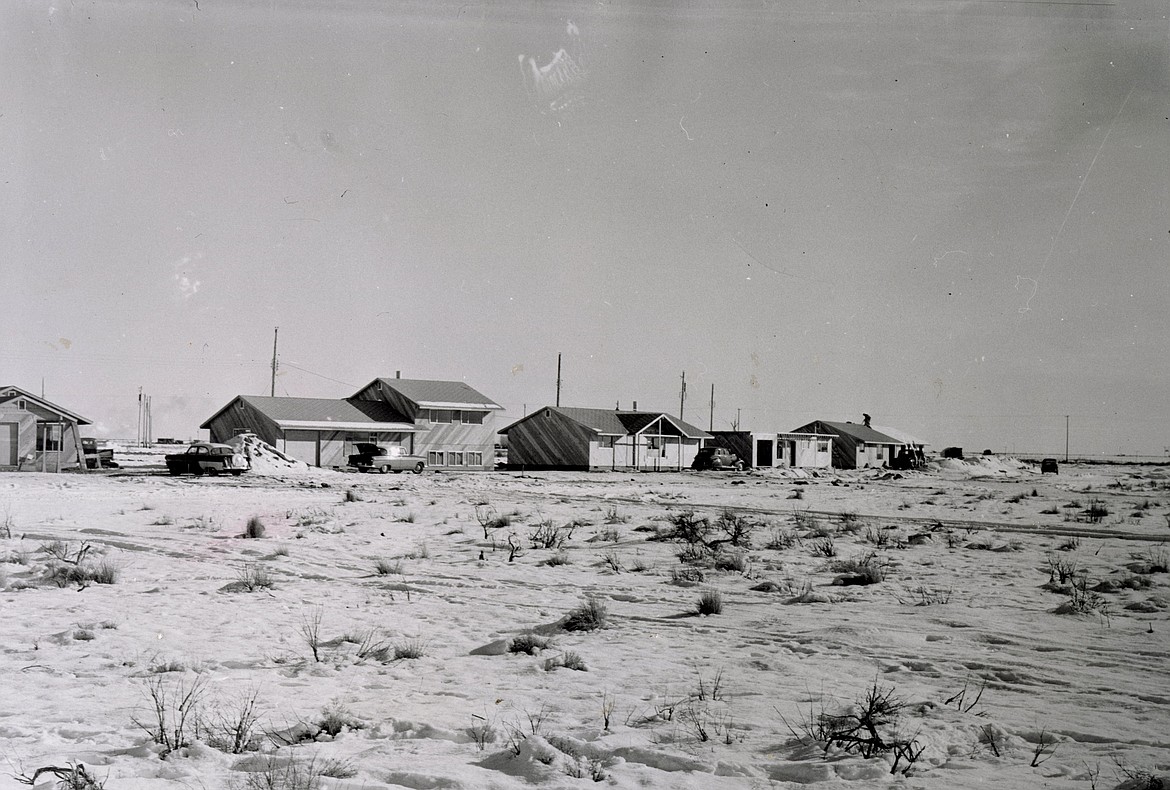
No event in the history of the Columbia Basin reshaped our town as deeply as the arrival of irrigation and the rapid development it triggered. Before the Columbia Basin Project, Moses Lake was a modest lakeshore settlement of just a few hundred people. Already impacted by the arrival of the Army in 1944, we experienced even more dramatic and immediate change thanks to the Columbia Basin Project, growth so intense that people across the state and nation took notice.
The beginning of this transformation can be traced to the 1940s and early 1950s, when construction of the reservoir and massive Grand Coulee Dam infrastructure brought a surge of new workers into the area. As Don Goodwin recalled, the project drew a “mammoth amount of employees … to work on the different projects around Moses Lake,” overwhelming the town’s capacity to house them. Many newcomers resorted to “living in tents and just garages and anything they could find” until homes could be built. This early influx marked the first wave of population growth that would fundamentally reshape our identity.
The boom came swiftly. One editor reported in the mid-1940s that the town had grown from roughly 300 people to at least 1,500 in just 12 months, without any real expansion of essential infrastructure. Grocery stores were swamped, restaurants overflowed and housing was virtually nonexistent. “You can’t even land a place to lie down,” wrote Bill Wilmot, describing a town bursting at the seams as defense workers and irrigation laborers flooded the area. This dramatic strain on resources illustrated both the challenges and the transformative force of rapid population expansion.
By the early 1950s, community leaders recognized that this unprecedented growth demanded better planning. As H.C. Baumgarten and W.N. Sherman observed, Moses Lake had been so absorbed by rapid speculation and development that long-range planning initially fell by the wayside. Only once “matters settled down somewhat” could leaders begin envisioning a prosperous future, confident in the town’s “many natural advantages” and its potential to become “the real Queen city of the basin.”
The speed and scale of development were so extraordinary that outside observers often expressed amazement. A Seattle Times article from 1958 noted that no other community in the irrigated Columbia Basin grew “with as much flourish as Moses Lake,” where real estate changed hands at a dizzying pace and buildings sprang up in anticipation of even more expansion. The town struck some neighboring communities as almost too bold, “A wild-eyed bunch there,” said some.
Architectural critic Elizabeth Kendall Thompson captured the spirit of a community fueled by determination and ingenuity. She described Moses Lake as a place defined by “enterprise and perseverance,” where hard work and grit had transformed a once-quiet settlement into a thriving city. Promotional materials echoed this sentiment, calling the town “a genuine frontier springing to life with Atomic Age speed” and marveling that what Moses Lake experienced was not simple expansion but “explosion.”
This explosive growth had impacts far beyond commerce and housing. Schools, in particular, faced unprecedented strain. A 1952 study described Moses Lake as “an exciting and yet bewildering community in which to operate a school system,” noting that the typical generations-long development of civic institutions had been compressed into a single decade. There was, it explained, “plenty of almost everything except time.”
Alongside the challenges came stories of people discovering new beginnings. One man, delayed in Moses Lake due to car trouble, returned because he and his wife felt more at home there than anywhere else. Another visitor proclaimed that the Basin was “the one real place … growing” with optimism and energy unmatched elsewhere.
The Columbia Basin Project did more than irrigate farmland; it ignited a transformation that shaped modern Moses Lake and the surrounding region. From population surges and housing booms to educational demands and economic optimism, the project catalyzed a can-do spirit that continues to define the community today.
Back in the Day appears bi-weekly and looks at the rich and sometimes little-known history of the Columbia Basin.
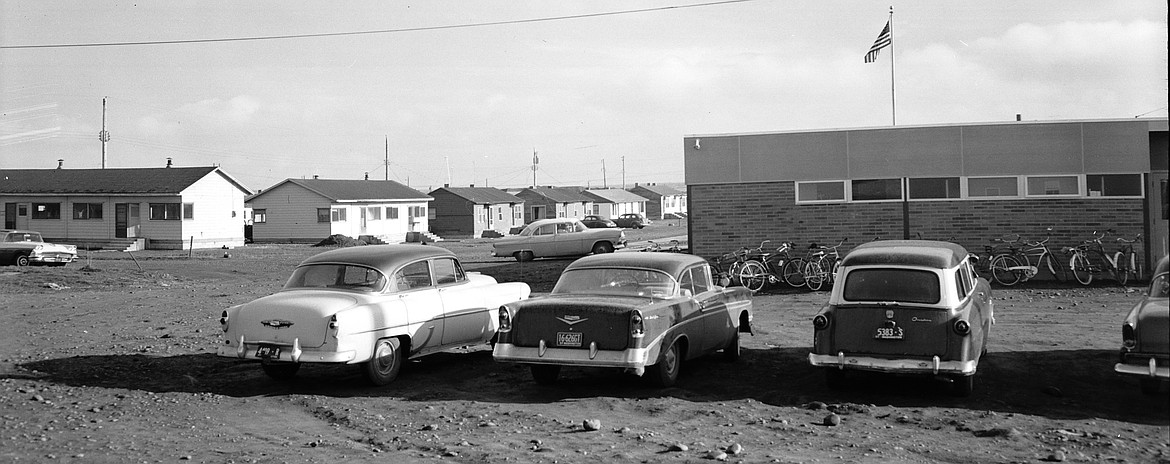
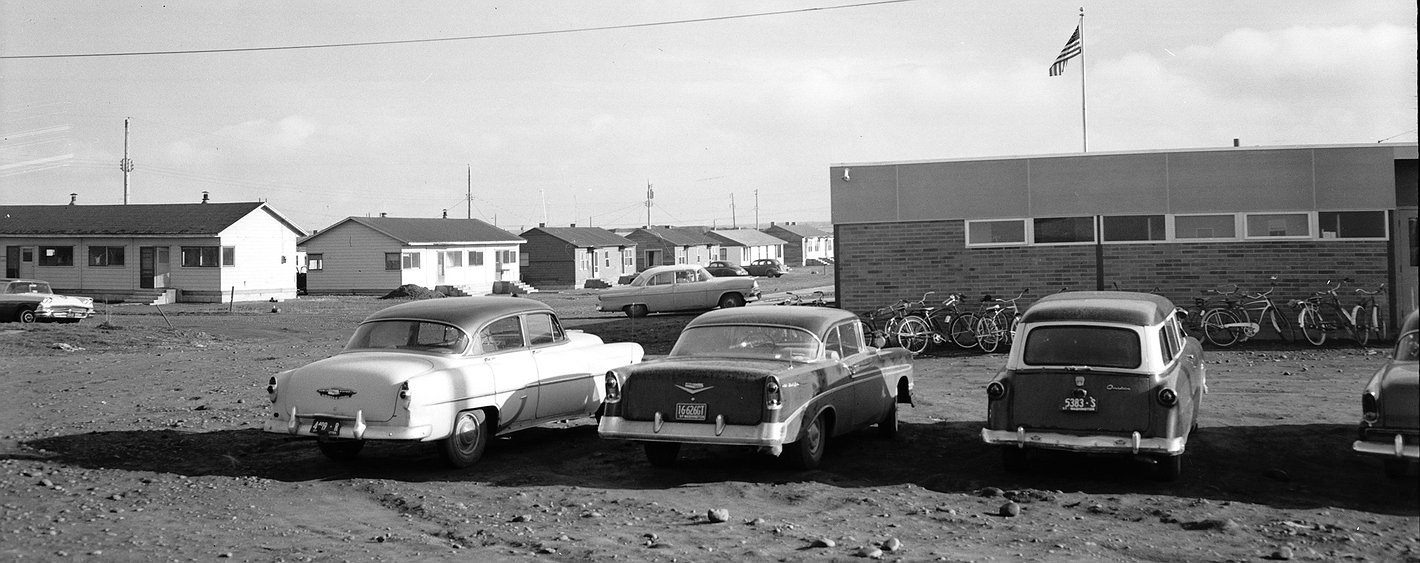 Longview Elementary School in 1957.