

A new day for Grant County's animals
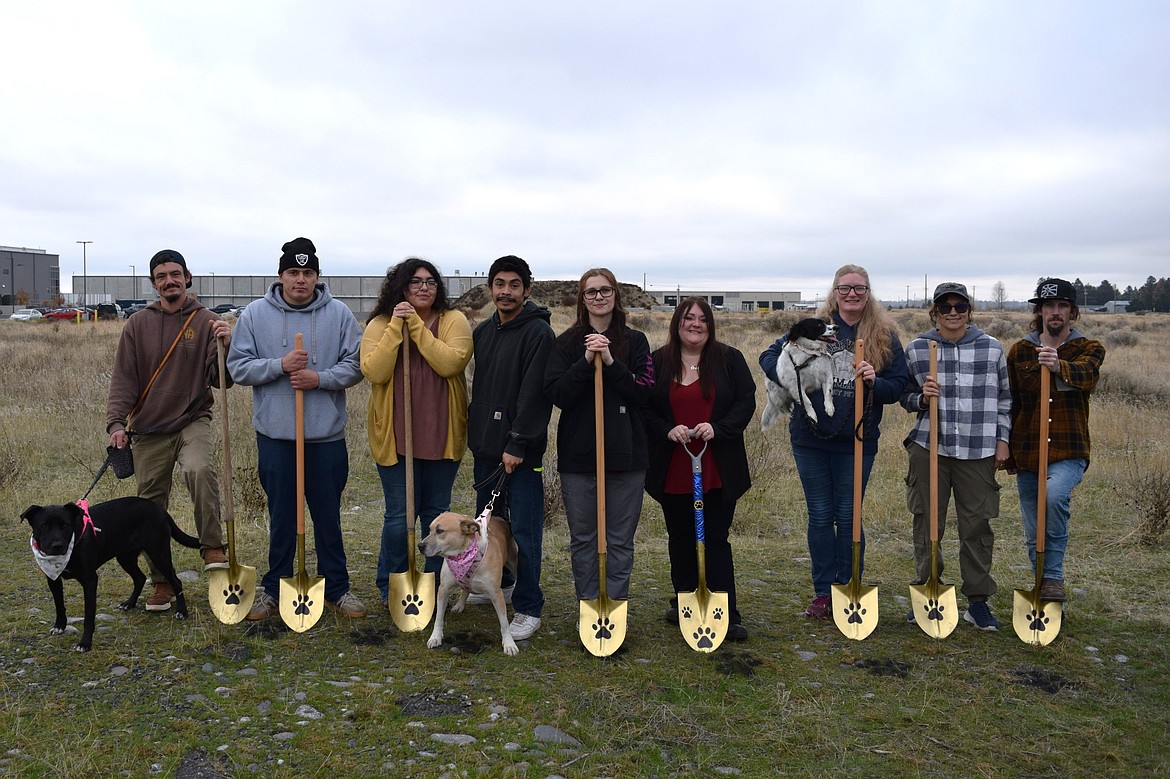
Grant County Animal Outreach staff gather for a photo during the groundbreaking celebration for the organization's new animal shelter. Staff and board members described the project as a milestone years in the making and one made possible through community support.
FILE PHOTO
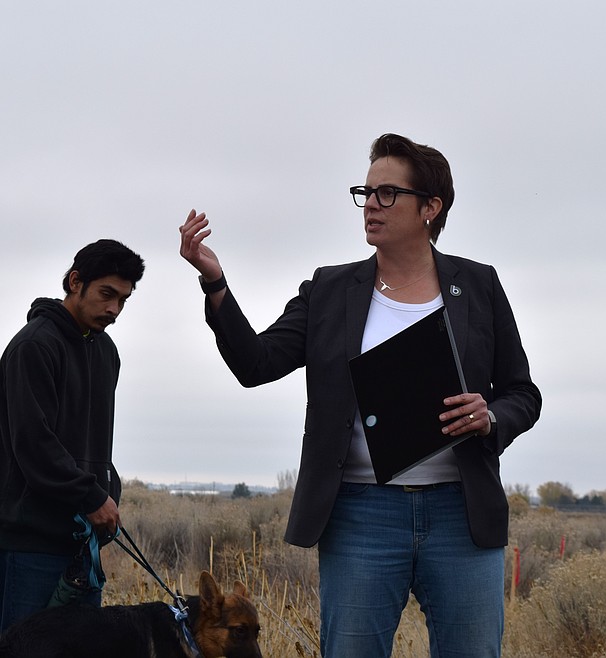
Grant County Animal Outreach Board President Sara Thompson Tweedy speaks during the groundbreaking ceremony for the organization's new shelter. Thompson Tweedy said the project reflects the community's commitment to improving animal welfare throughout Grant County.
FILE PHOTO
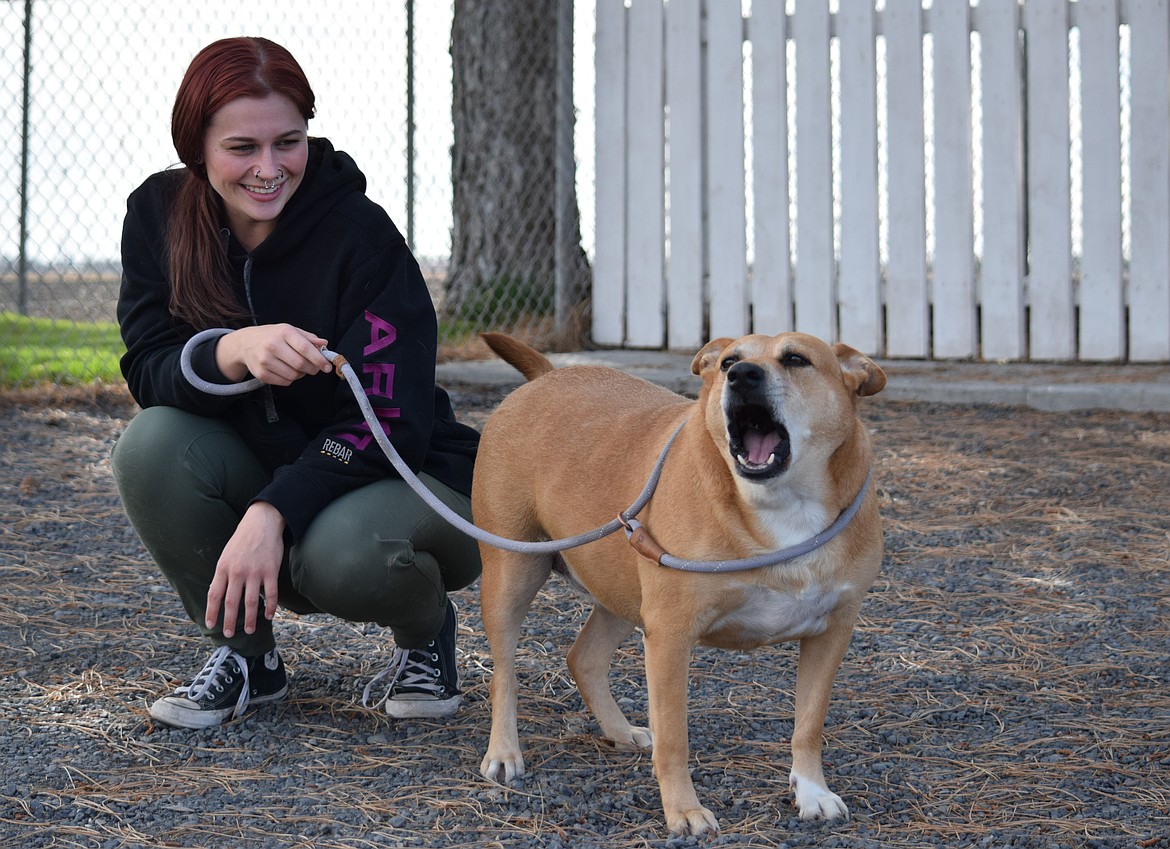
Grant County Animal Outreach Assistant Manager Serena Jewell shares a playful moment with Sammy. Once one of the shelter's longest residents, Sammy has since found his forever home.
FILE PHOTO
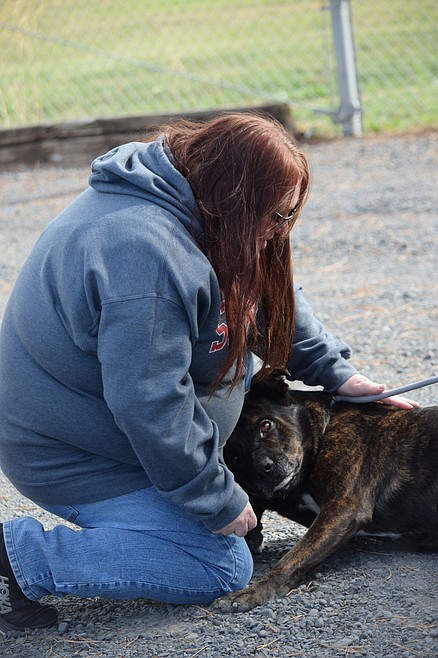
Grant County Animal Outreach Manager Cyndle Miller spends time with Zeus at the shelter. Staff said Zeus has transformed from a fearful and distrustful dog into one that enjoys interacting with people and children.
FILE PHOTO
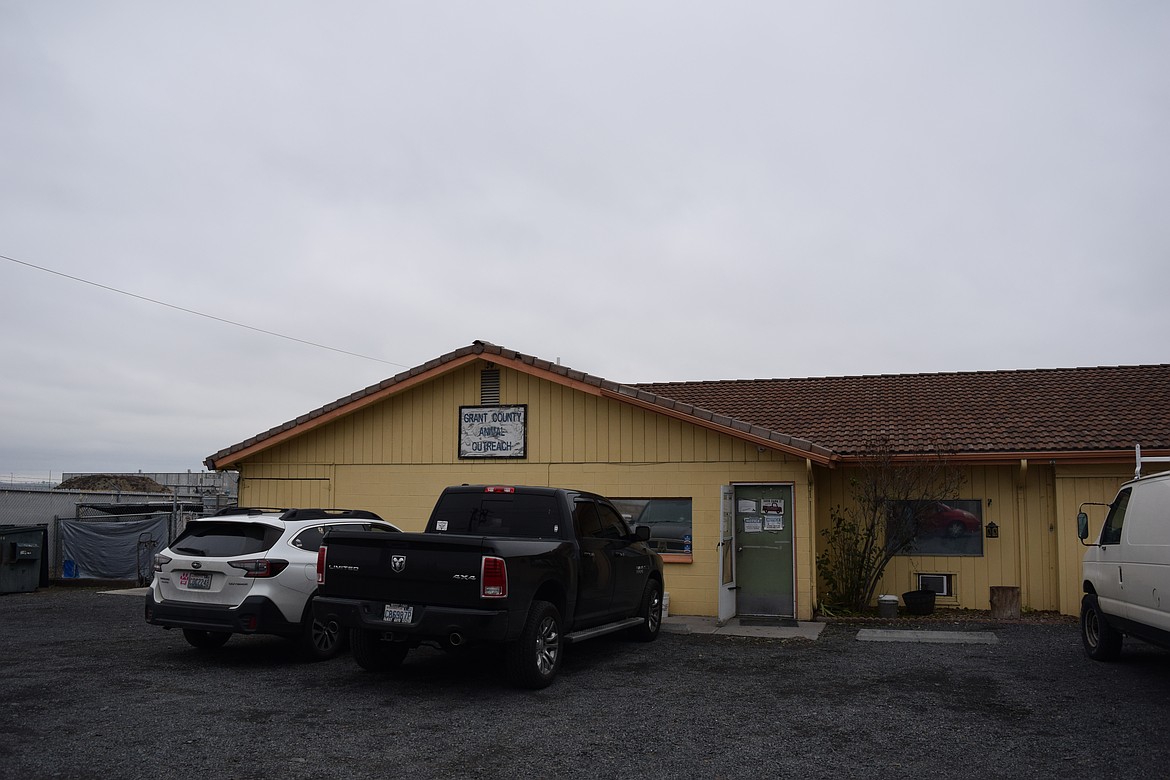
The current Grant County Animal Outreach shelter has served animals for decades despite aging infrastructure and limited space. Staff members say the new facility will allow them to focus more on animal care and less on building maintenance.
FILE PHOTO
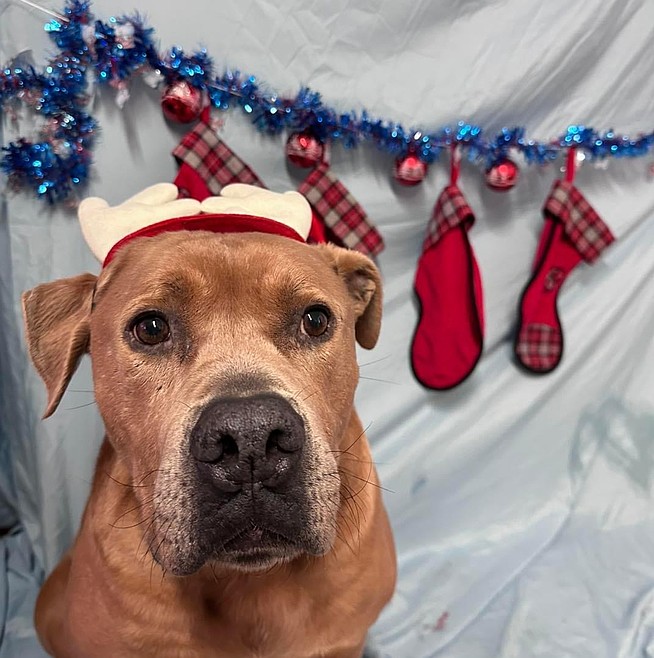
A dog models one of the costumes kept by Grant County Animal Outreach staff. The shelter regularly uses costumes, themed photos and social media campaigns to help animals find homes.
COURTESY PHOTO/GRANT COUNTY ANIMAL OUTREACH
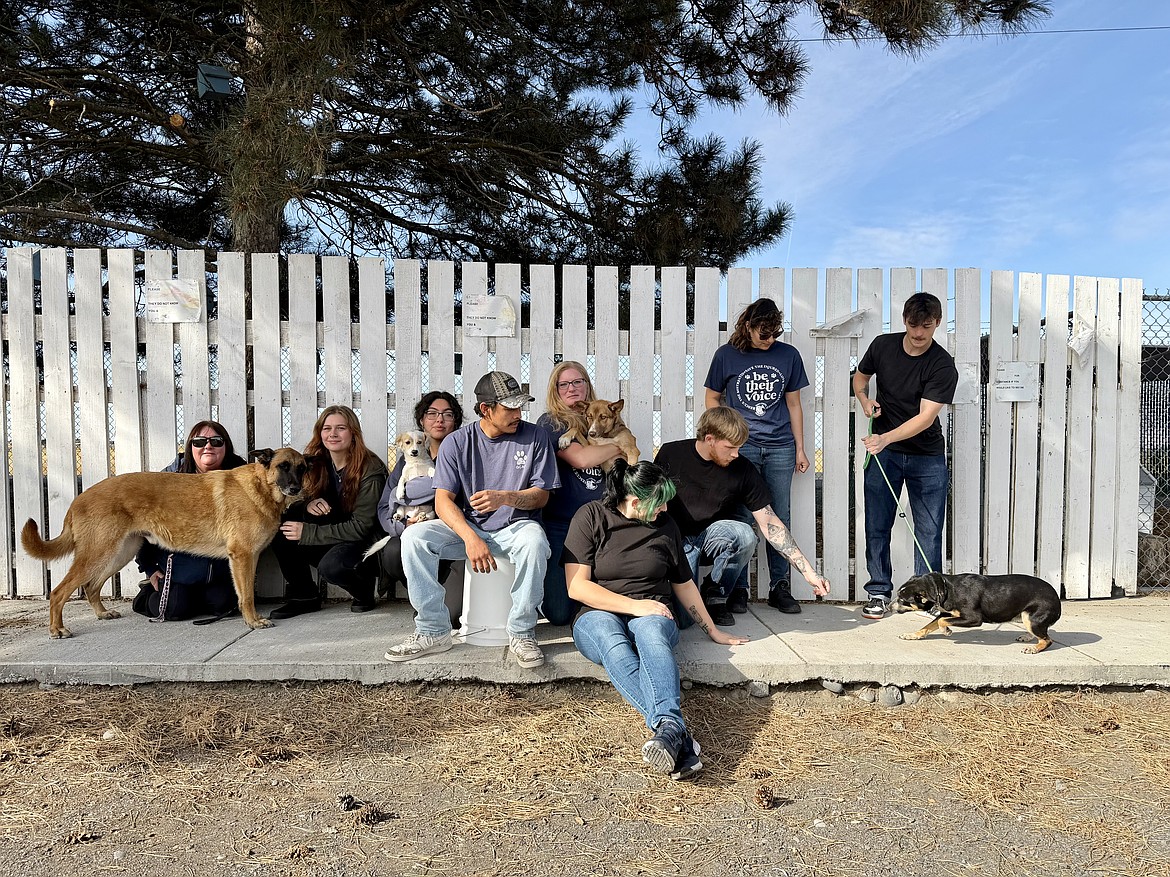
Grant County Animal Outreach staff pose with adoptable dogs. From left are Cyndle Miller, Serena Jewell, Lupe Chavarria, Megan Baum, Hailey Signorelli, Ethan Steward, Bulmaro Hernandez, Aiden Thompson and Savannah Whaley.
NANCE BESTON/COLUMBIA BASIN HERALD

A look inside Grant County Animal Outreach's new animal shelter. The facility will provide expanded capacity, modern kennels and improved spaces for both animals and adopters.
COURTESY PHOTO/SERENA JEWELL
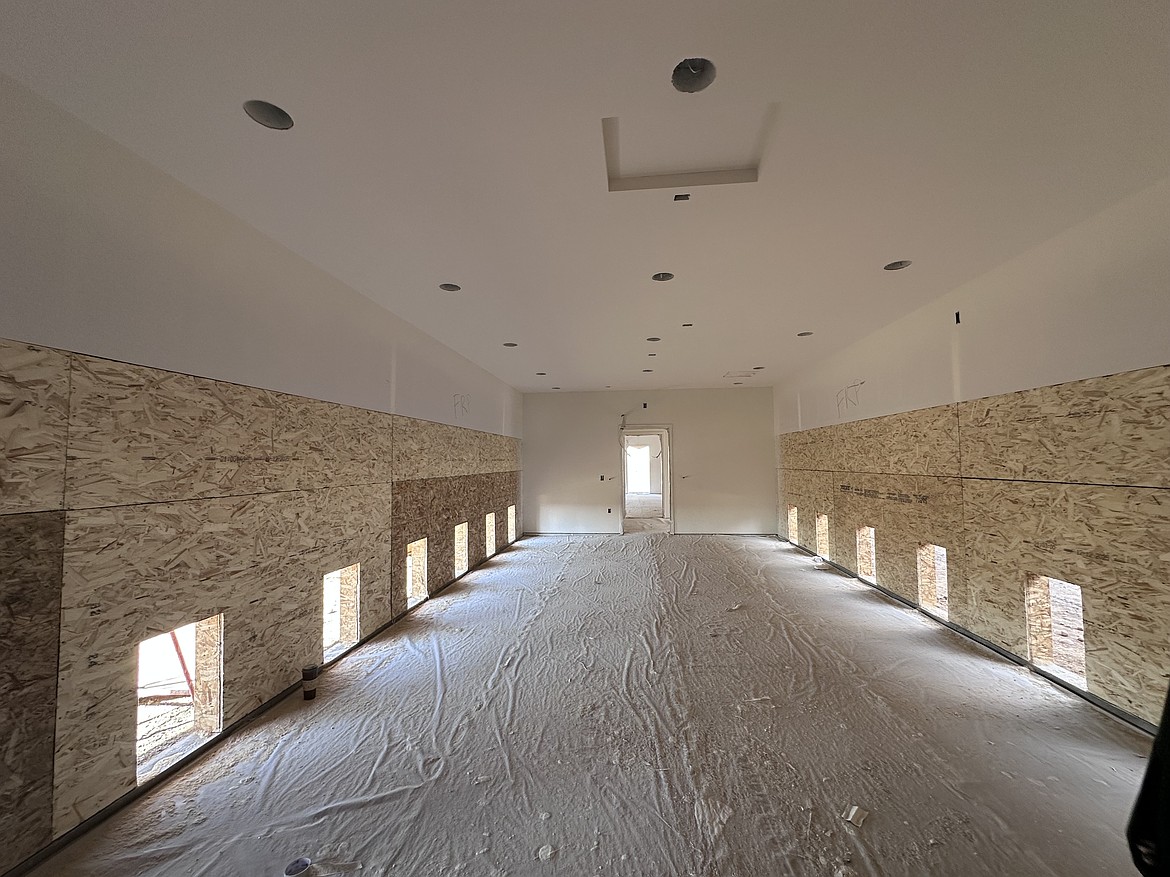
Construction continues on the dog kennels and outdoor run areas at Grant County Animal Outreach's new shelter. The upgraded spaces will allow dogs direct access to outdoor exercise areas while awaiting adoption.
COURTESY PHOTO/SERENA JEWELL
MOSES LAKE — For decades, the aging concrete building on Randolph Road has served as a refuge for lost, abandoned and neglected animals across Grant County.
Inside, staff members have battled frozen pipes, failing electrical systems, overcrowded kennels and leaking hoses. They have cleaned runs by headlamp when power failed, worked through winter cold in oversized coats and improvised solutions to problems the building was never designed to handle.
Through it all, the animals still needed food, water, medical care, enrichment and, perhaps most importantly, hope.
Now, after years of planning, fundraising and community support, Grant County Animal Outreach is preparing to turn a page.
A new $2.5 million animal shelter is expected to open later this year, bringing modern facilities, expanded capacity and new opportunities for the organization serving much of Grant County.
For GCAO Board President Sara Thompson Tweedy, seeing the building rise from the ground is still a surreal experience.
"I feel absolute joy," Thompson Tweedy said. "And a little bit of disbelief. Like, we did it. We're doing it."
More than a building
The new shelter has been years in the making.
Funding came from multiple sources, including approximately $1 million each from the City of Moses Lake and Grant County. Additional support came through state funding secured by Sen. Judy Warnick, Rep. Tom Dent and Rep. Alex Ybarra, a significant donation from the Paul Lauzier Foundation, donated land and countless private contributions.
The project officially broke ground in November 2025.
Yet Thompson Tweedy said the shelter represents far more than a construction project.
"It represents our capacity to love," she said. "This was never about the staff because anybody who works in the current facility obviously loves animals. They are doing God's work. I think it represents a project of love by this community."
When she first began talking publicly about a new shelter several years ago, not everyone shared her optimism.
"Someone told me, 'Nobody is going to get behind something like this. They don't care about us. They don't care about the animals,'" she said.
That prediction proved wrong.
"I haven't found a person who doesn't care," Thompson Tweedy said. "Anybody who's ever been out there recognizes the need and wants to help."
As momentum built, community members, businesses, local governments, volunteers and donors continued stepping forward.
"There were just people who showed up at the right time and the right moment to solve a particular problem," she said. "It just kept coming together. It's like the universe wanted this to happen."
Life inside the old shelter
For those who have never stepped inside the current shelter, it is difficult to understand the challenges staff face every day.
The facility was originally built as a bomb shelter before eventually becoming an animal shelter decades ago. Today, many of its systems are outdated and increasingly difficult to maintain.
"There are times where employees have to clean in the dark," Assistant Manager Serena Jewell said. "There are times where they have to clean in the cold. They come in, put every effort forward and they're working with headlamps on and oversized jackets."
During particularly harsh winter weather, staff have had to deal with frozen pipes and electrical failures while continuing to care for animals.
"Every winter makes us realize how much more we need it," Jewell said.
Miller recalled one incident when a damaged underground power line left the shelter without heat or electricity during winter conditions.
"We had nothing, no heat, no light," Miller said. "I've never seen a team come together so fast to figure out the best way to make sure these animals had a clean environment, fresh water, their food and plenty of blankets to stay warm."
Staff members brought in headlamps from home and continued caring for animals despite the difficult conditions, she said.
At one point, the facility housed more than 100 dogs despite having a practical capacity of fewer than 50.
"We were figuring out ways to make that doable," Thompson Tweedy said.
Staff members often find themselves acting as maintenance workers, plumbers, electricians and mechanics in addition to animal caregivers.
"The staff not only clean the kennels, but they do electrical work when needed. We do plumbing when needed," Jewell said. "When it comes to little things like emergencies where a pipe breaks, we're responsible for shutting off the water and grabbing the bucket."
Yet despite the limitations, the shelter continues serving hundreds of animals each year.
According to previous GCAO reporting, the organization assisted nearly 600 animals in 2025 while coordinating hundreds of adoptions and transfers through rescue partners across Washington.
Built with animals in mind
While the current shelter often forces staff to spend valuable time working around infrastructure problems, the new facility was designed specifically for animal welfare.
The approximately 6,200-square-foot building will include indoor and outdoor dog runs, dedicated cat areas, isolation kennels, meet-and-greet rooms, improved laundry spaces, modern cleaning facilities and significantly more room for both animals and people.
One of the biggest changes will be outdoor runs connected directly to kennels.
Currently, dogs must be physically walked outside to play areas.
In the new shelter, staff will be able to open a guillotine-style door, allowing dogs direct access to their own outdoor spaces.
"Everybody will have an individualized outside space," Jewell said. "That'll make a huge difference in animal morale."
Miller said the new facility will allow staff to spend less time working around building limitations and more time interacting with animals.
"It's definitely going to be an easier clean for my team," Miller said. "With a faster clean job, they can have more outside time, more enrichment time. It's just a huge elevation from where we're at now."
Staff members believe that alone could improve behavior and reduce stress.
"A lot of the behavior issues we see are just due to stress," Jewell said. "Being in such a rundown facility contributes to that."
The shelter will also feature dedicated meet-and-greet spaces where potential adopters can spend time with animals in a calmer environment.
"We want to do meet-and-greets where they can be their true selves," Jewell said.
Additional isolation areas will help staff properly assess new arrivals before introducing them to the general population, something that is often difficult in the current facility because of space limitations.
The people behind the mission
Throughout interviews, one theme surfaced repeatedly.
Everyone pointed to the staff. Again and again.
The board praised the staff. Staff members praised each other. Volunteers praised the staff. Community members praised the staff.
Thompson Tweedy became emotional recalling a moment when a surrendered dog arrived at the shelter visibly confused and heartbroken.
"I knew he knew that he was being given up," she said.
She watched as shelter manager Cyndle Miller knelt beside the dog.
"She just sat there with him and petted him," Thompson Tweedy said. "'You're going to be okay. You're going to be okay, buddy.'"
For Thompson Tweedy, that moment captured what happens every day at GCAO.
"They're the real heroes," she said.
Jewell said Miller's leadership has been instrumental through the shelter's transformation.
"Cyndle pours her blood, sweat and literal tears into this place," Jewell said. "She accepts phone calls, she goes out and helps whether she's on the clock or off the clock."
The dedication extends throughout the team.
"They show up every single day," Miller said. "They come in every single day. They try their hardest for these animals every single day."
Miller said what impresses her most is the team's consistency, especially when facing challenges beyond animal care.
"No matter what gets thrown at them, they take it head on and they just dominate the problem and move on," Miller said. "They know walking into this job isn't always going to be easy, but they still show up every day."
Many employees come in on days off. They volunteer for extra transport runs. They answer emergency calls. They foster animals at home.
"What would I like the community to know?" Jewell said. "Every single day part is key. I don't know a single one of us out here that takes our day off and doesn't feel guilty for not being out here."
The bond between staff members is difficult to miss.
Asked how difficult working conditions have strengthened the team, Jewell laughed.
"There's no better way to come together as a team than to play in dog poop," she said.
"We'll get it out of each other's hair if we have to," Miller added with a laugh.
Behind the humor lies years of shared challenges, hard work and commitment.
A community effort
Although the facility will bear the Grant County Animal Outreach name, those involved say it truly belongs to the community.
The project received support from city leaders, county commissioners, state legislators, businesses, donors, volunteers and everyday residents.
Thompson Tweedy specifically highlighted the importance of the community's role.
"People want this," she said. "People want this."
She recalled being overwhelmed by attendance at the groundbreaking ceremony.
"I couldn't believe how many people showed up," she said.
Jewell pointed to supporters including the City of Moses Lake, Grant County, local legislators, the Chamber of Commerce, the Paul Lauzier Foundation and many others who helped move the project forward.
She also acknowledged late Moses Lake Police Chief Kevin Fuhr, who advocated for the shelter and helped elevate discussions about the need for a new facility.
"We're really thankful that everybody saw the need for this and was willing to take that leap of faith on GCAO," Jewell said.
Looking ahead
If all goes according to plan, the first dogs and cats could arrive in the new shelter later this year.
When asked what she will think on that day, Thompson Tweedy's answer was simple.
"I can't wait for you to get your forever home," she said. "And while you're in our care, we're going to take really, really the best care of you that we possibly can."
Five years from now, she hopes the shelter will be known not only for serving Grant County but for helping shape animal welfare across Washington.
Meanwhile, staff members are already imagining their first days in the new facility – relief, pride and hope – those were the words they used most often.
"I hope the staff feel relief that they can focus primarily on animal care," Jewell said.
Miller said she is looking forward to a day when employees can focus less on maintaining an aging building and more on helping animals find homes.
"Relief is probably the biggest word," Miller said. "We're going to know exactly what we're walking into every day instead of wondering if we're going to have power, water or another major issue to solve before we can even start caring for the animals."
For years, GCAO's employees and volunteers have done remarkable work inside a building that often made their jobs harder. Soon, they will finally have a facility built to match the mission they have carried all along.
Miller said the new shelter represents something larger than a building.
"I'm hoping for a lot more adoptions and a lot more people wanting to come in and volunteer," Miller said. "This community made the shelter possible, and now we have an opportunity to show even more people what these animals need and what they deserve."
As Jewell looked toward the future, her focus remained exactly where it has always been.
"It's about the animals," she said. "That's why we all do it."
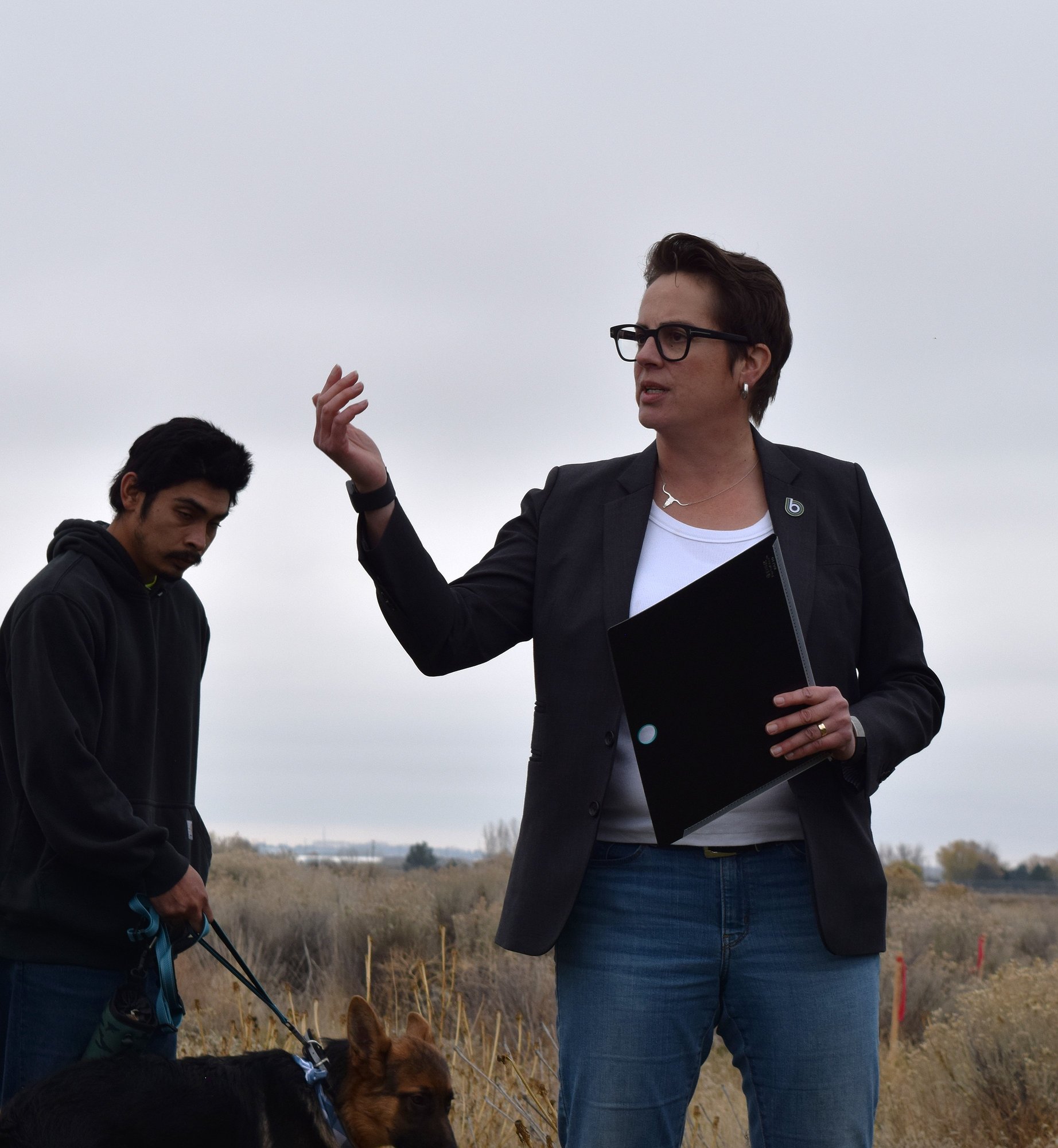 Grant County Animal Outreach Board President Sara Thompson Tweedy speaks during the groundbreaking ceremony for the organization's new shelter. Thompson Tweedy said the project reflects the community's commitment to improving animal welfare throughout Grant County.
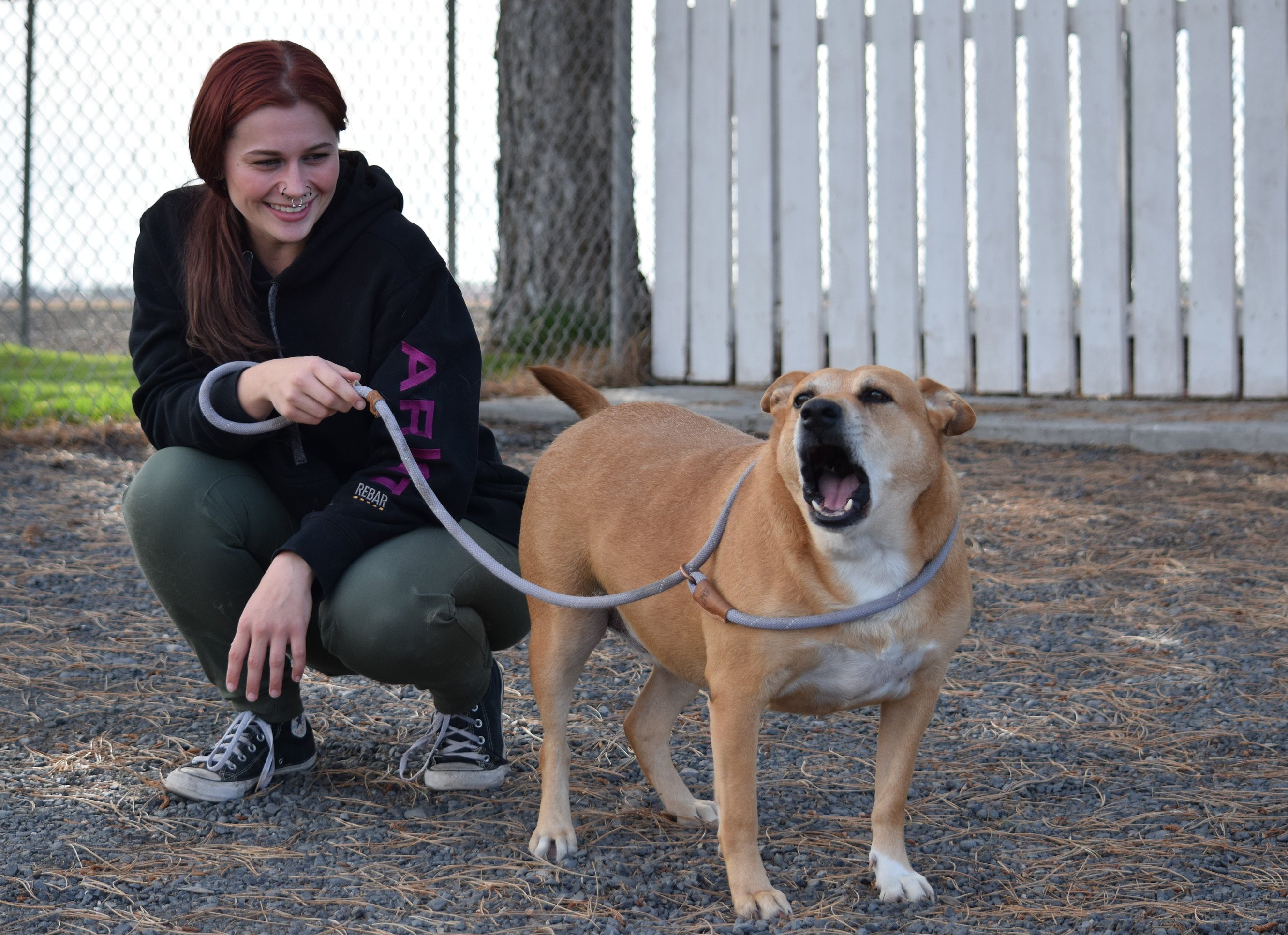 Grant County Animal Outreach Assistant Manager Serena Jewell shares a playful moment with Sammy. Once one of the shelter's longest residents, Sammy has since found his forever home.
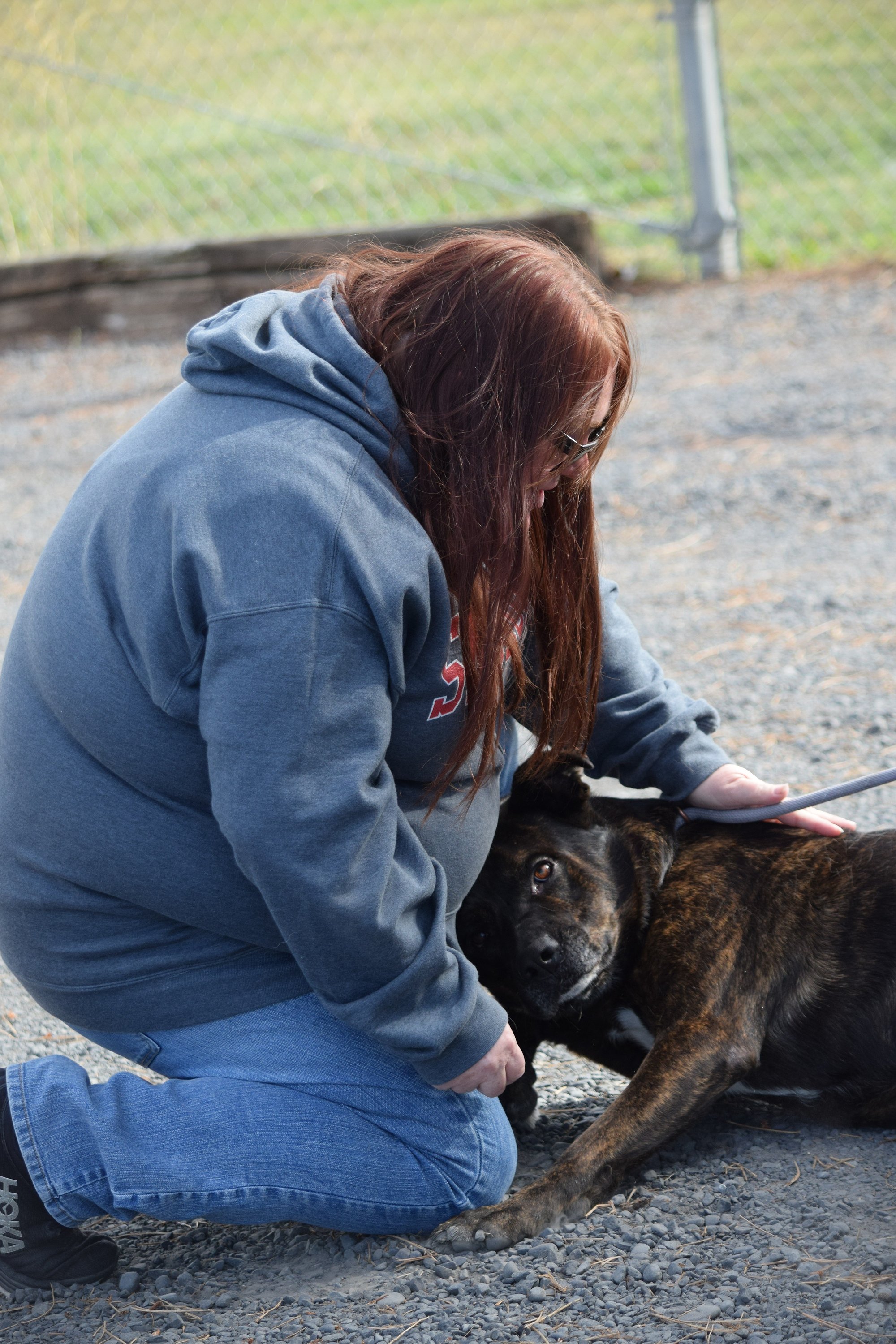 Grant County Animal Outreach Manager Cyndle Miller spends time with Zeus at the shelter. Staff said Zeus has transformed from a fearful and distrustful dog into one that enjoys interacting with people and children.
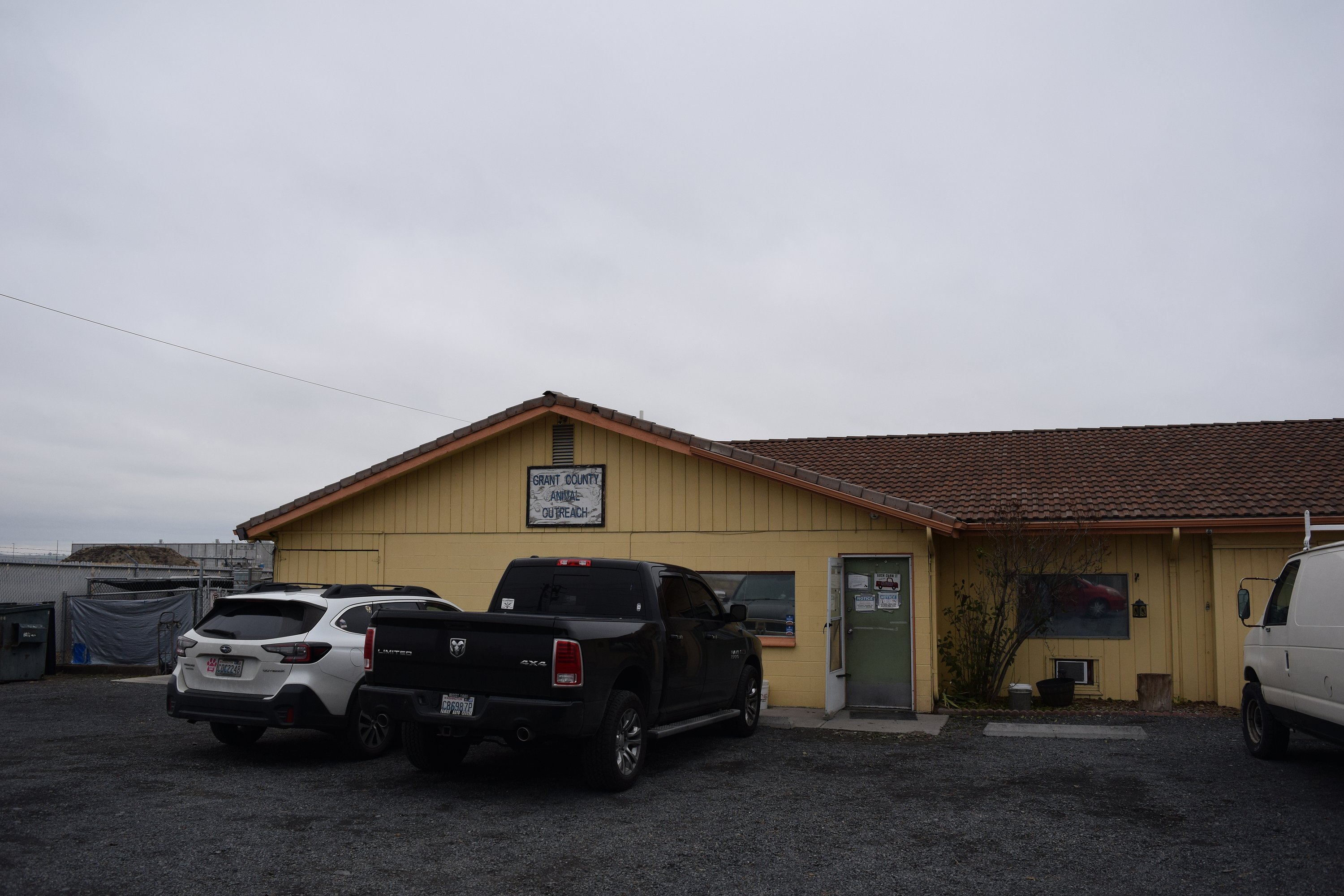 The current Grant County Animal Outreach shelter has served animals for decades despite aging infrastructure and limited space. Staff members say the new facility will allow them to focus more on animal care and less on building maintenance.
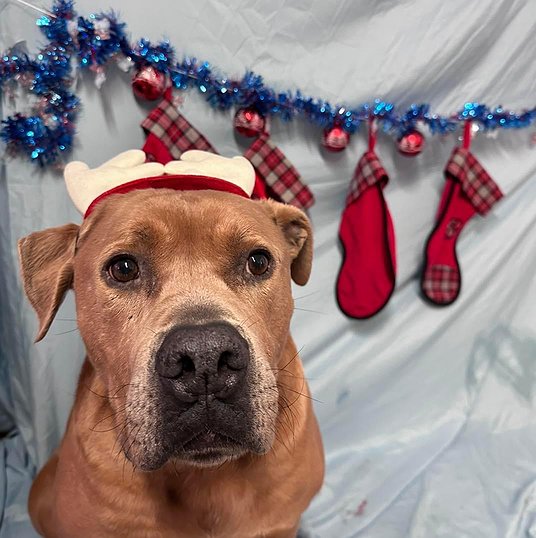 A dog models one of the costumes kept by Grant County Animal Outreach staff. The shelter regularly uses costumes, themed photos and social media campaigns to help animals find homes.
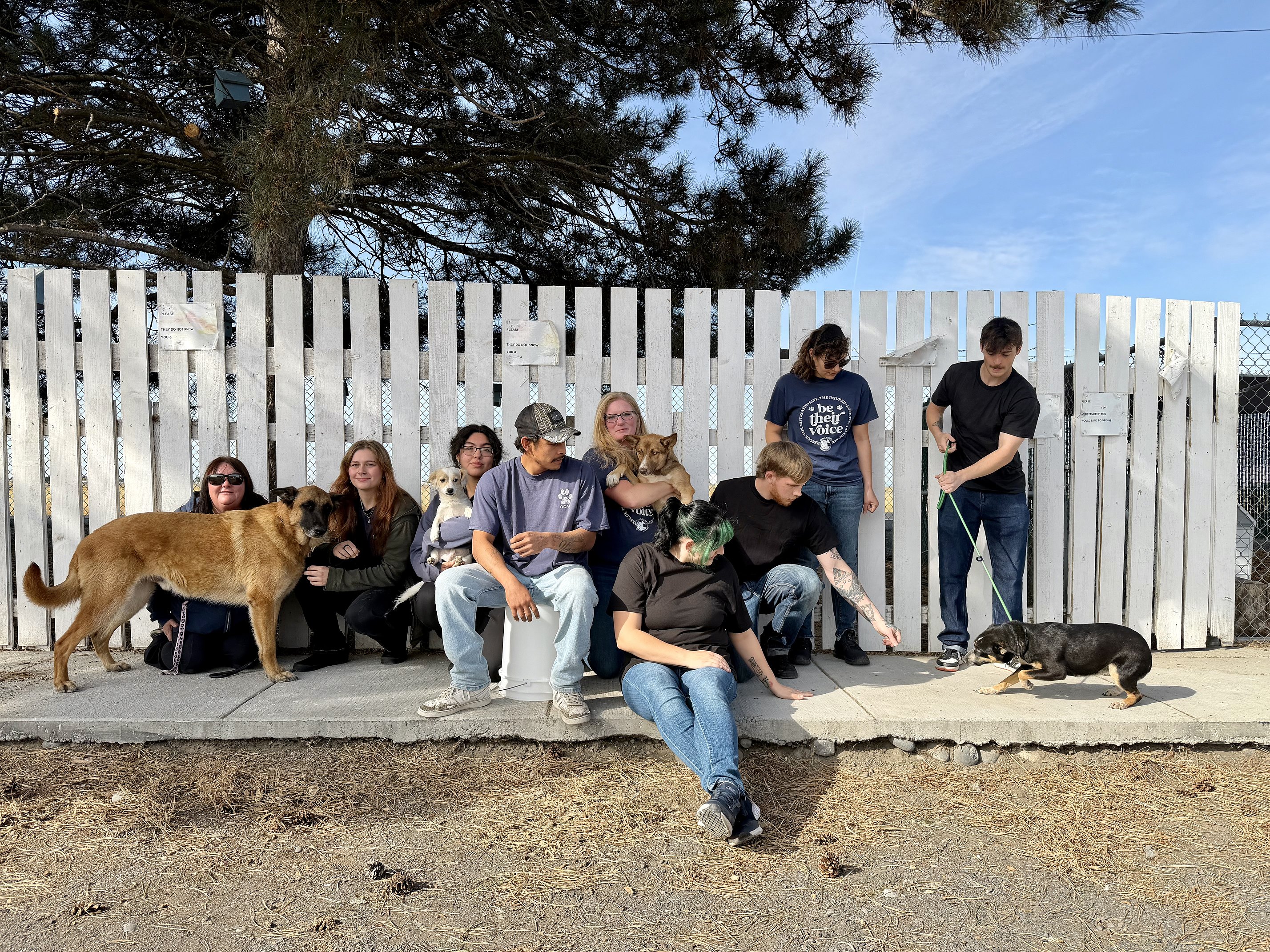 Grant County Animal Outreach staff pose with adoptable dogs. From left are Cyndle Miller, Serena Jewell, Lupe Chavarria, Megan Baum, Hailey Signorelli, Ethan Steward, Bulmaro Hernandez, Aiden Thompson and Savannah Whaley.
 A look inside Grant County Animal Outreach's new animal shelter. The facility will provide expanded capacity, modern kennels and improved spaces for both animals and adopters.
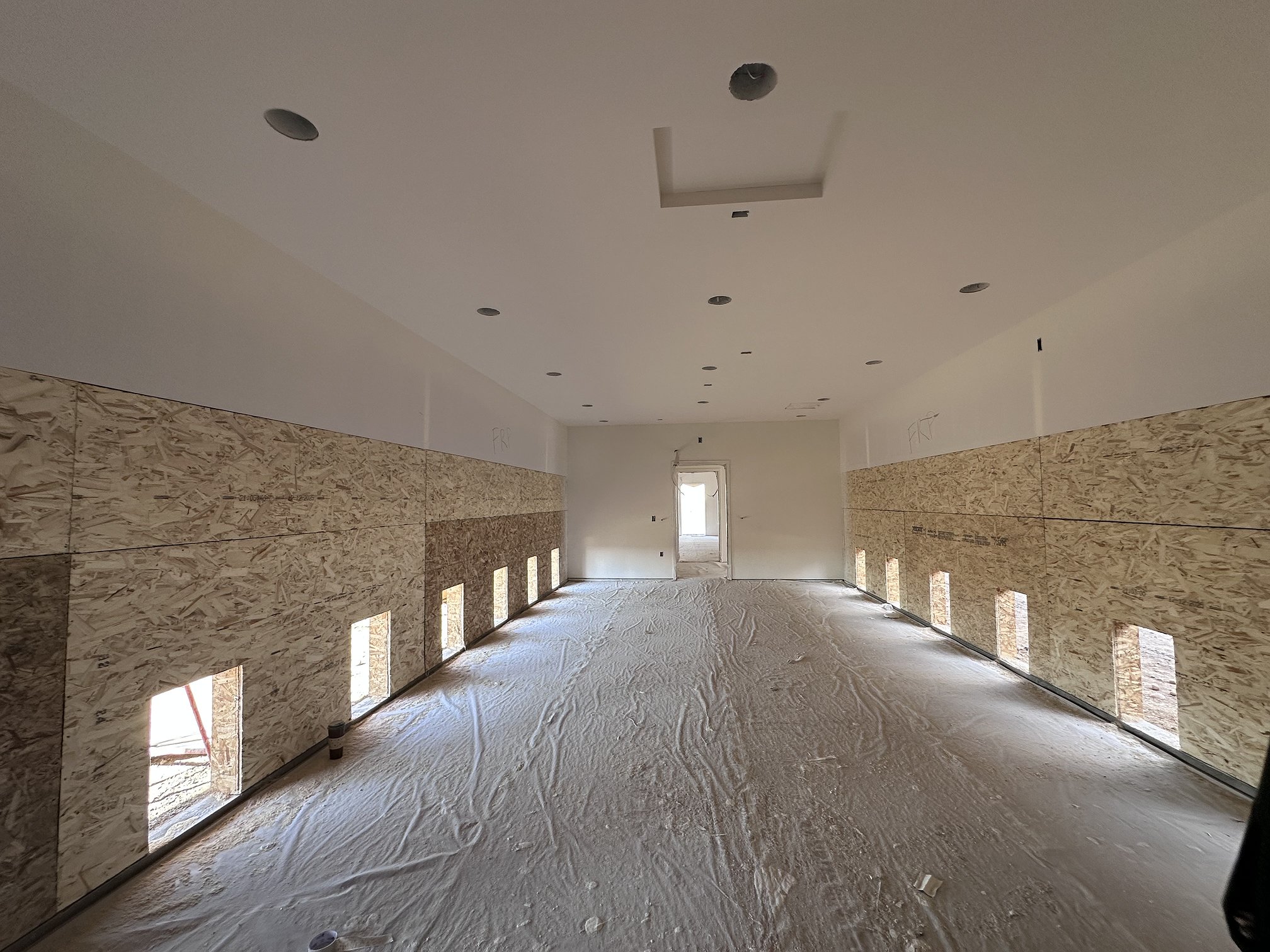 Construction continues on the dog kennels and outdoor run areas at Grant County Animal Outreach's new shelter. The upgraded spaces will allow dogs direct access to outdoor exercise areas while awaiting adoption.