
What you should know before signing a solar lease
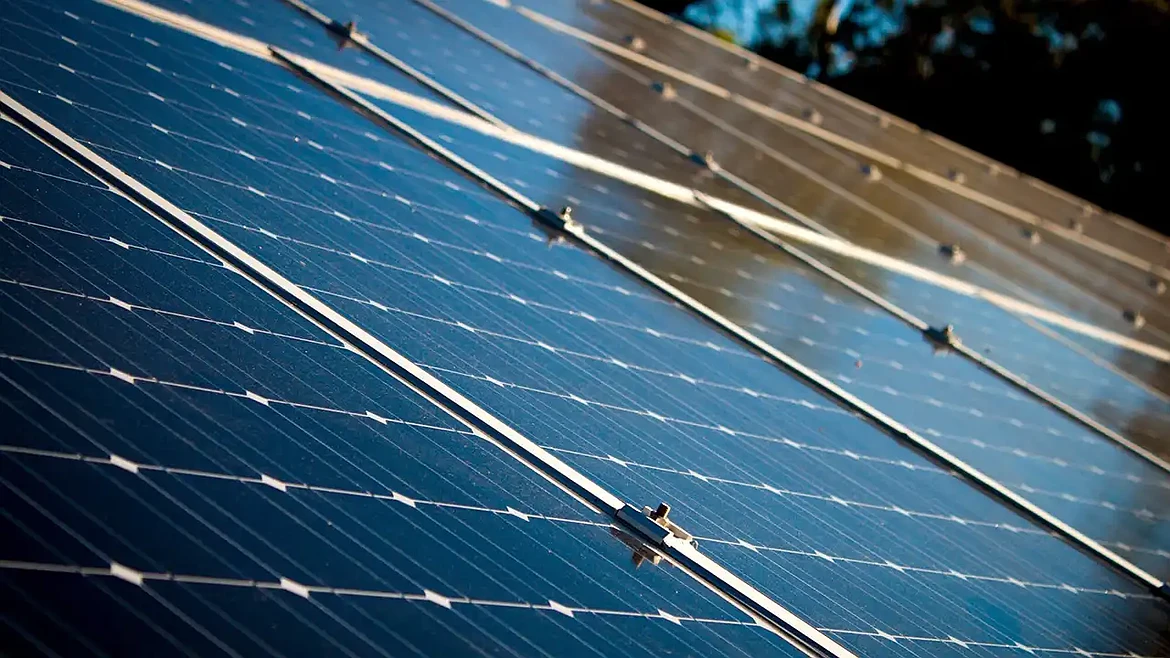
Getting a solar lease means little to no upfront costs, but there are potential drawbacks from long commitments and no panel ownership. The lease makes it difficult to sell a home since the new owner inherits the existing lease agreement. Additional hidden fees may add up from surge charges to roof maintenance.
Yahoo Finance reports that 36% of residential solar projects were under a leasing agreement in 2024. Homeowners benefit from clean energy and the reduced carbon output that comes with functional solar panels. However, those considering this type of deal should understand all the terms and potential pitfalls before signing.
What Is a Solar Lease?
When you sign a solar panel leasing agreement, you agree for a solar company to install panels, but they maintain ownership of them - not you, the homeowner. Enjoy clean energy production from them while paying fixed monthly installments.
Since you don't own the panels, there's usually little to no money down. Some solar companies may have a rent-to-own structure where you can buy out at the end of your lease, but the lease term is usually long, at 20 to 25 years.
What Are the Cons of Solar Leasing?
A solar panel lease can become a headache when fixing your roof. The company that owns the panels may charge you a fee to temporarily remove them for the roof repair and reinstall them. It can create scheduling delays for the repairs since they control the process.
The lease is a 20 to 25-year agreement with zero tax credits to save from. Unless you can find an owner ready to take over that lease, your home sale may move at a snail's pace. Buying a system outright has far greater savings than paying lease installments over two decades, so it negates any utility savings.
Canceling your solar lease may be needed due to:
- Misrepresentation of potential savings
- Poor panel installation
- Poor energy production
- Hidden fees
- Solar company bankruptcy
How Can I Get Out of a Bad Solar Deal?
Anyone in a bad solar lease should review the contract and document any issues, from poor energy production to high utility bills. If the company you signed with goes bankrupt, you may now be a "solar orphan" still responsible for those lease payments, as the contract simply goes to a new servicer.
The problems with solar leasing have become common enough that advocacy groups have formed partnerships with legal teams to help with legal solar cancellation. Attorneys are holding these companies accountable for misleading consumers.
States such as California also have consumer protection laws to help.
Think Twice About Your Solar Agreement
A solar lease can benefit anyone working with a reputable company who doesn't want to pay upfront for solar panels and is comfortable leaving repairs and maintenance in the company's hands. Understand you won't have any tax breaks, and upcoming home roof repairs and a potential sale won't be easy.
If you fall victim to a bad contract, legal assistance can help you avoid continually wasting money on a system that doesn't work as it should.
Learn more about home energy, clean energy, and home improvement savings from other content on our website.
This article was prepared by an independent contributor which helps us continue delivering quality content to our audiences.