
The high cost of Olympia’s hidden utility tax
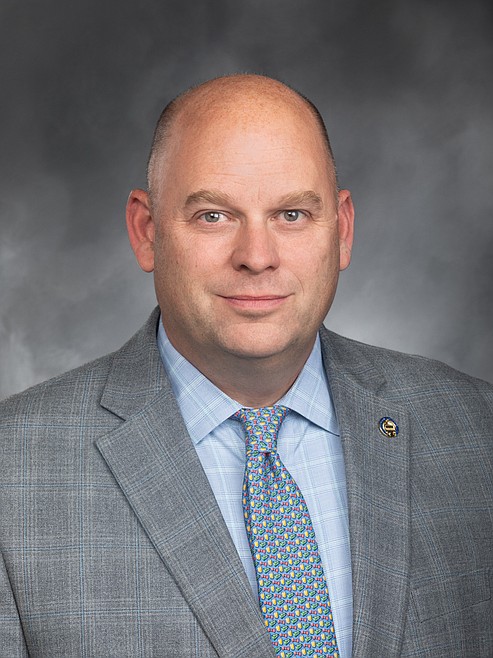
MacEwen
Washingtonians are living through a relentless affordability crisis. From the grocery aisle to the gas pump, the cost of living has moved from “concerning” to “unsustainable.” Our state consistently ranks among the top three most expensive for gas, often a full dollar above the national average. Meanwhile, the average household income is roughly half of what is required to qualify for a median-priced home.
In this environment, every policy coming out of Olympia should be able to pass a simple, rigorous test: Can Washington families afford it?
For years, the Democrat majority has failed this test. Their policies have dropped our state’s business climate ranking from 15th to 35th since 2022 and are currently forcing an 18.6% electric rate hike on many consumers. But while big new taxes get the headlines, there is a quieter, more insidious cost-driver buried in your monthly utility bill—one that stems from a lack of common sense in how we fund environmental mandates.
This year, we proved that common-sense solutions can still prevail. On March 18, Gov. Ferguson signed my proposal, Senate Bill 5690, into law. Taking effect June 11, this legislation addresses a long-standing “hidden tax” on local ratepayers: the cost of utility relocation.
We all value our natural resources, and Republicans strongly believe that we owe it to current and future Washingtonians to be good environmental stewards. Removing fish barriers and replacing outdated culverts to restore salmon runs is a goal generally shared across the aisle. However, these massive infrastructure projects often require the relocation of existing water, power, and sewer lines.
Under current state practices, when the Washington State Department of Transportation (WSDOT) moves a culvert to satisfy a state mandate, the cost of moving the local utility pipes often falls solely on the local utility district.
For a large city, this is a budget line item. For a small, rural public utility district (PUD) or a local water district in places like Mason or Thurston County, it is a financial catastrophe. These small districts only have your monthly rate payments to fund their work. When the state forces a $2 million utility move for a culvert project, that cost is passed directly to the families in that district.
SB 5690 takes steps to fix this by directing WSDOT to provide at least one year of advance notice to utility owners and, crucially, to maximize federal funding to cover these relocation costs. By leveraging federal dollars instead of local ratepayer checks, we are protecting families—already struggling with infant care that costs nearly 18% of their yearly income—from a “salmon surcharge” on their water bills.
The passage of SB 5690 is a victory, but it must be the start of a broader shift in how Olympia operates. The majority party often treats taxpayer money like an infinite resource. They ignore that Washington is the seventh least-affordable state for infant care and that our restaurants are forced to charge the highest prices in the nation just to maintain a razor-thin 1.5% profit margin.
Instead of easing burdens, many current policies are pushing us toward energy instability. We are looking at potential blackouts because 1,292 megawatts of electricity are being removed from the grid in 2026 due to rigid ideological mandates.
Washingtonians can’t afford it. We cannot afford politicians who keep passing laws without asking about the cumulative impact on the single mother trying to keep the lights on or the retired couple watching their property taxes soar.
SB 5690 shows that we can achieve environmental goals without bankrupting local families, but the fight for affordability is far from over. In 2027, I will continue to demand that we put families first, because the current path isn't just expensive—it's unsustainable.
Sen. Drew MacEwen, R-Shelton, is the Deputy Leader of the Senate Republican Caucus and represents the 35th Legislative District.