
COLUMN: Soaring fuel, fertilizer prices hammer farms already struggling
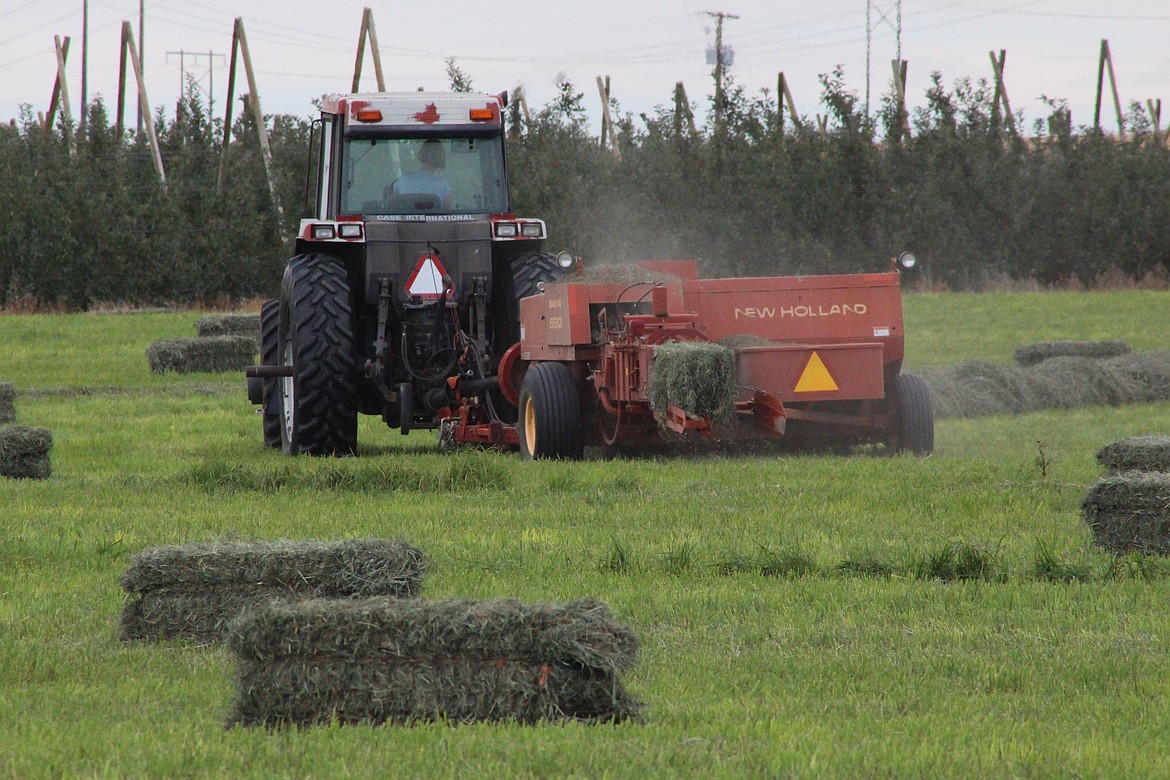
Farming is a challenging way of life, but market conditions given state and federal politics are putting the pinch on family farms even more than usual, according to Jason Vander Kooy, VP of Save Family Farming and a dairy farmer.
FILE PHOTO
Jason Vander Kooy, family dairy farmer and Save Family Farming Vice President, issued the following statement regarding spikes in fuel and fertilizer prices for Washington farmers resulting from conflict in Iran.
The conflict in Iran is affecting farmers here in Washington, as fuel and fertilizer prices spike. As farms are already grappling with the state’s worsening farming profitability crisis, these additional costs are driving them even closer to the brink of closure.
Official numbers show Washington farmers nearly $400 million in the red in 2024, and numbers for 2025 not expected to be much different. The cost to farm in this state is skyrocketing, while the prices most farmers receive for their products have stayed low. At this point, any new costs can be a death knell for farms already stretched to the limit.
Let’s keep in mind that even before the conflict in Iran, Washington farmers were already paying some of the highest fuel prices in the nation. Driven by the state’s high fuel taxes and Olympia’s botched exemption of farming and farm transportation from the costly Climate Commitment Act, Washington legislators have had a large hand in these crippling prices.
Now, trouble on the other side of the globe, in the Strait of Hormuz, is pushing farm budgets already stretched thin by costs imposed by decisions in Olympia further into dangerous territory.
While we cannot control a global conflict like what’s happened with Iran, our leaders in Olympia can prevent the collapse of farming here by addressing the out-of-control costs they’ve placed on people simply working to grow food.
Unfortunately, lawmakers ended the legislative session without delivering real relief for Washington farms struggling to survive under the burden of state government-imposed costs.
Much of Washington state’s farming can’t survive much longer without serious help from Olympia–not in handouts, but in reversing the enormous cost burdens the state has placed on farmers.
“If Olympia does not act now to reduce these state-driven costs, many farms will not recover–and once they’re gone, they’re not coming back.”