W20 project in early planning stages
MOSES LAKE — Port of Moses Lake officials are working on lining up partners and funding for a project that would tap an irrigation canal for additional water to the port and local municipalities. Port Director Dan Roach said the first task will be starting the planning, scheduled for 2026.
“We’re thinking this year is probably going to be just building that coalition, start meeting regularly with the key groups so that we're all coordinated,” Roach said. “That's a big thing in itself, because we've got over a dozen different groups that are interested and want to be a part of it.”
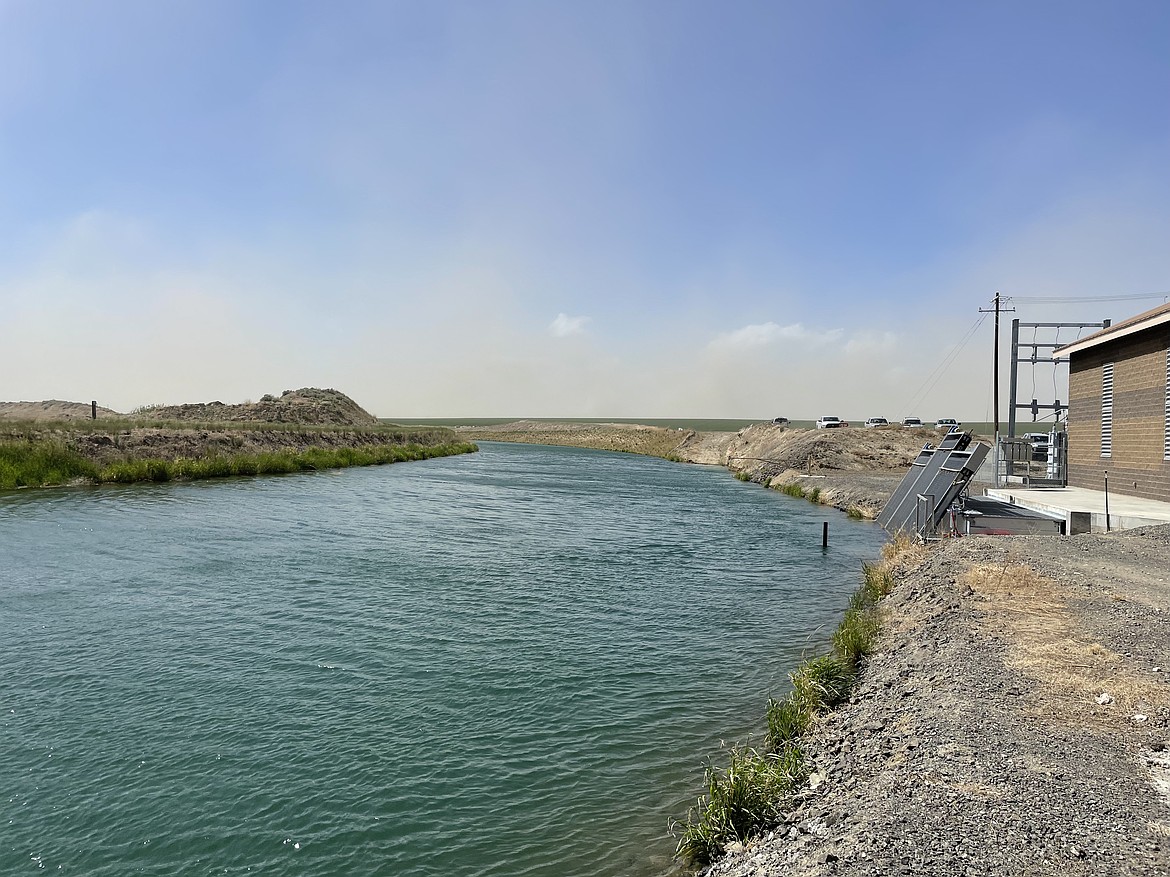
The W20 Project would tap into the West Canal at times of relatively low demand for irrigation water in the spring and fall. The water would flow down an existing canal and into Moses Lake. The port would be able to treat and use that water, and it would be available for use by the city of Moses Lake.
Quincy city officials also are investigating the diversion of canal water, which could be treated and used by the city. The challenge is a relatively narrow section of the canal.
“There’s a choke point in the canal, (about) a six-mile area. It’s constricted,” Roach said.
Diverting water into the canal would avoid the choke point, he said, and provide water for both the city and port of Quincy.
The water would be available only during the shoulder seasons so as not to interfere with irrigation, Roach said.
“That’s critical, because you don’t want to interfere with farmers and irrigation and you don’t want to interfere with USBR and their mandate,” he said.
Ron Sawyer, chair of the Moses Lake Watershed Council, told Moses Lake City Council members in January the project also would benefit the lake.
“This last year was the best water quality Moses Lake has had since people have been monitoring water quality, and that's a function of a high degree of cooperation from the (Bureau of Reclamation),” Sawyer said. “We can thank (USBR) for that 165,000 or so acre-feet of water (that) came down Rocky Coulee wasteway.”
The challenge, Sawyer said, is that the water now being diverted through Rocky Coulee eventually will be allocated to farmers in Grant and Adams counties and the Odessa area who are using groundwater for irrigation. The W20 lateral has been discussed as an alternative.
The water coming through the W20 lateral would be much lower in phosphorous, which is a major factor in poor water quality in the lake, Sawyer said.
Roach said the increased flow through Moses Lake also would provide more water for irrigators farther south.
Marc Maynard, USBR Ephrata field office manager, did not respond to questions emailed to him by the Columbia Basin Herald. But during the meeting with Moses Lake Council members he said that while the project could be feasible, some studies would be required first.
Roach said port officials are looking for funding to help with the studies and the design phase.