
Domestic Workers Bill of Rights awaits governor’s signature
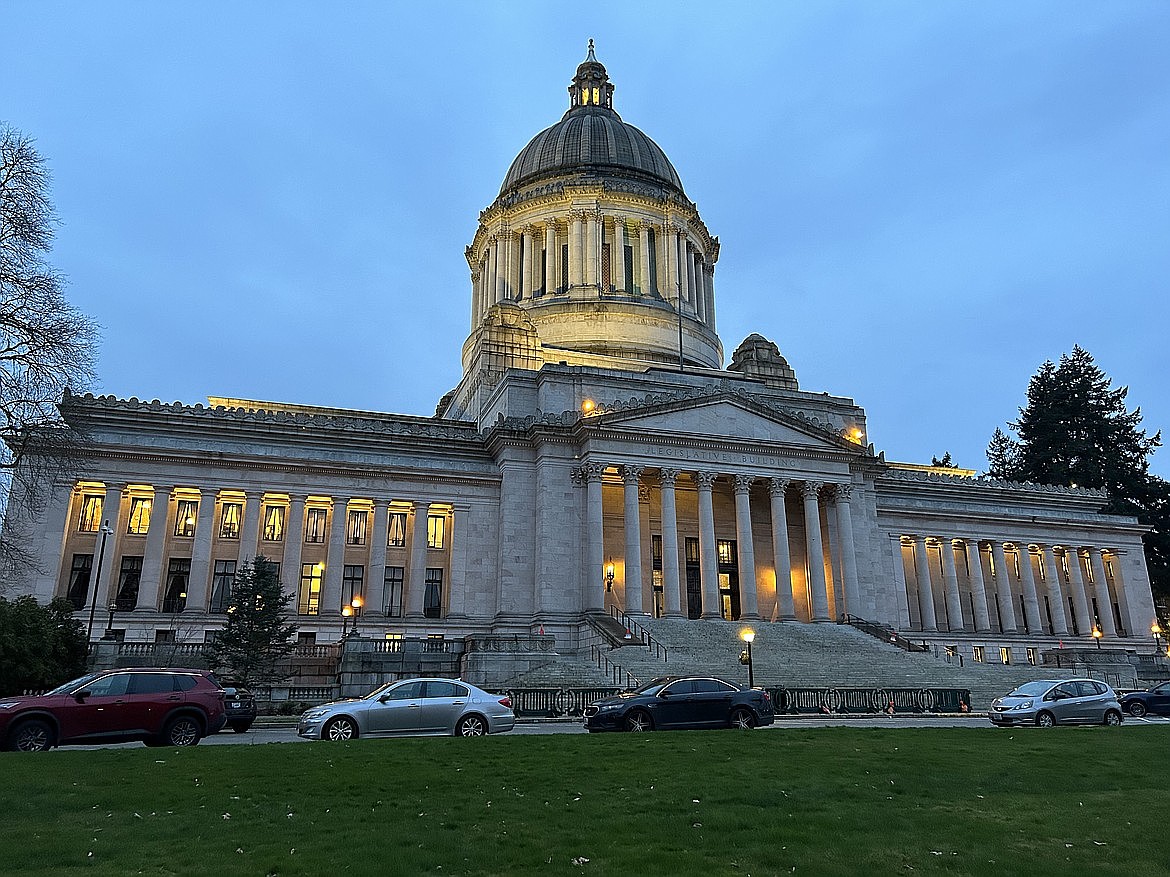
Nannies, domestic health professionals and others will have additional protections under House Bill 2355 - the Domestic Workers Bill of Rights - goes into law if signed by Gov. Bob Ferguson.
FILE PHOTO
OLYMPIA — Domestic workers across Washington received a major win last week as House Bill 2355, known as the Domestic Workers Bill of Rights, advanced through the Senate, overcoming its final hurdle before reaching the governor’s desk for signature.
If signed into law, the bill, sponsored by Rep. Brianna Thomas, D-West Seattle, would establish clear and enforceable labor protections for nannies, personal cooks, gardeners, housekeepers, and others performing domestic labor in private residences, including required minimum wage, overtime compensation, written work agreements and termination protections.
According to Thomas, the legislation aims to address historic inequalities and vulnerabilities many workers face while also establishing clearer rights and responsibilities for both workers and employers.
“This bill is personal to me. I saw firsthand how my mother, a domestic worker, was treated on the job,” Thomas said in a press release. “When the bill failed to advance last year, I saw tears of disappointment on the faces of domestic workers from across the state. This year, those workers can cry tears of joy. I know I will have to fight them back.”
The bill successfully passed the Senate with a 28-20 vote, after five previous attempts failed, including last year’s effort spearheaded by Sen. Rebecca Saldaña, D-Seattle. If passed, Washington would be the 13th state to establish a statewide Domestic Workers' Bill of Rights and join the city of Seattle, which created a similar policy in 2018.
Proponents of the bill argue the legislation is necessary to protect workers from potentially hostile and discriminatory work environments.
Angela Mason worked as a certified nursing assistant when she became pregnant and her uncle fell ill and was placed in critical condition at the hospital, causing her to miss work. In response to missing days, her employer threatened to fire her, stating that her job must take precedence over everything, including her family.
“The hard work we do in private homes should not make us invisible to the law that protects everyone else,” Mason said in public testimony in January.
Mason emphasized that the bill does more than protect workers but also ensures respect and fair treatment for a workforce that largely goes undervalued.
Domestic and farm workers have been historically excluded by the federal National Labor Relations Act since the 1930s. According to the National Alliance of Domestic Workers, about 91.5% of the workforce are women, many of whom are immigrants and women of color.
In a 2021 survey, the alliance found that 84% of workers do not have written agreements, 23% reported not feeling safe at work, and 76% received no pay if their employer cancels on them after showing up for work.
The bill also allows employees to bring a private cause of action against employers who violate the Washington Law Against Discrimination which protects workers from discrimination in compensation or termination.
Republicans and other critics contend that domestic workers are independent contractors who can set their own hours and wages, arguing the bill’s private cause of action would deter employers from hiring domestic workers.
“Unless we remove this private right of action, who's going to take the chance?” Sen. Curtis King, R-Yakima, said during the Senate floor debate.
Saldaña, however, pushed back, asserting the private cause of action is necessary to protect all workers, including contract workers against cases of abuse and provides the Department of Labor & Industries a way to enforce the requirements.
“Domestic workers are the invisible backbone of our communities,” Saldana said in closing statements. “They are the nannies who care for our children, the home care providers who tend to our loved ones, housekeepers, cooks, gardeners, and they keep our homes running.”
The bill now awaits the governor’s signature. The 2026 Washington Legislative Session is set to adjourn March 12.