Warden Elementary improves attendance using regional program
WARDEN — Warden Elementary School is beginning to see early gains in student attendance after launching a 10‑day attendance challenge supported by a regional network focused on reducing chronic absenteeism.
The school is part of the North Central Educational Service District’s ATTEND Network, a two‑year‑old initiative that now includes 14 schools across the region. The network uses evidence‑based strategies, data tracking and coordinated communication to help districts improve attendance and reduce the long‑term academic and social impacts of missed school.
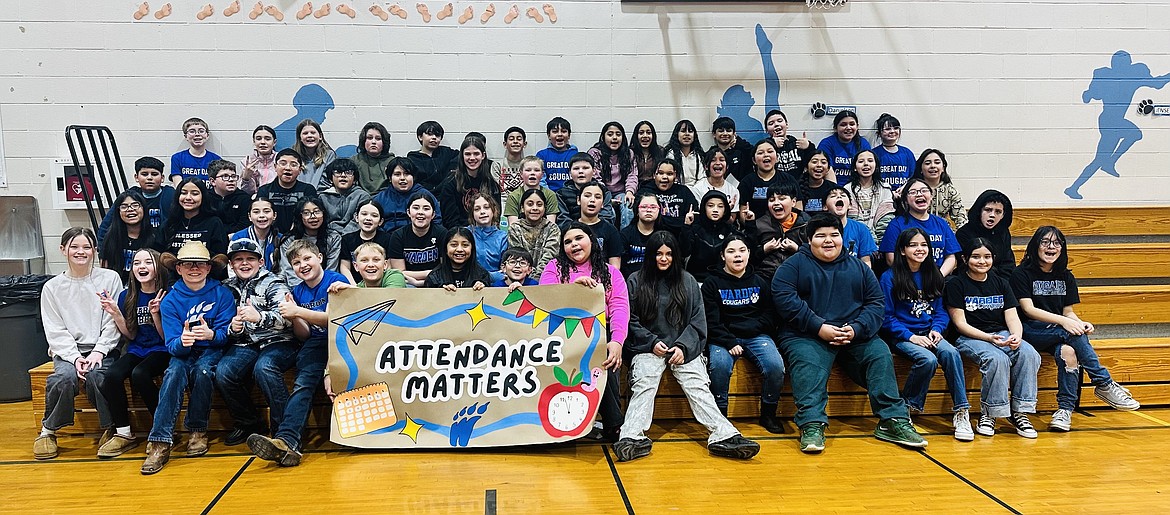
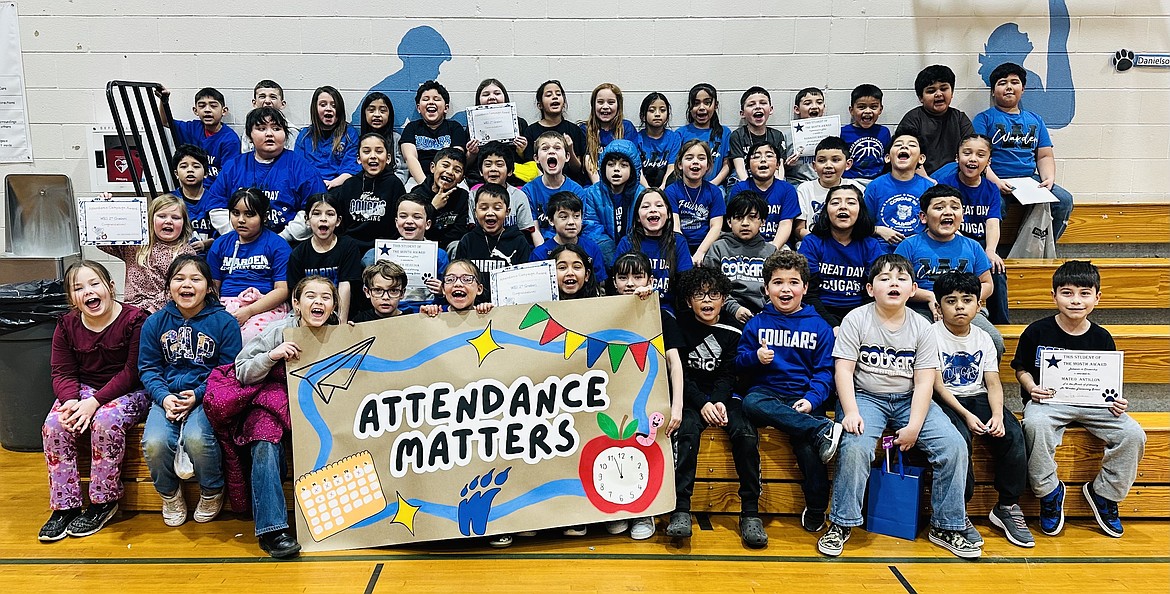
Warden Elementary Principal Rumi Hernandez said the school’s recent 10-day attendance campaign, in which grade levels competed for the highest attendance, went well. Kindergarten through second grade competed as one group, and third through fifth as another. In the end, second graders and fifth graders earned the top scores.
“We want students to have academic achievement, of course, but even more importantly, we want them to build strong habits and social‑emotional skills,” Hernandez said. “Daily interaction with peers and teachers helps them develop confidence and a sense of belonging. When students feel seen and cared for, the academics follow.”
To reward the winning grades, Hernandez partnered with the Columbia Basin Technical Skills Center in Moses Lake, which will host students for hands‑on program tours and treats. The school is also planning pajamas, popcorn and a movie in the gym for each grade level.
NCESD representatives said Warden’s approach reflects the broader goals of the ATTEND Network, which began with five schools and expanded after early results showed promise.
“We quickly realized chronic absenteeism was a powerful way to serve our region,” said NCESD Executive Director of Student Success & Learning Ashley Goetz. “We’re seeing promising evidence that the practices schools are implementing really are having an impact.”
The network’s model includes what NCESD calls an “attendance cadence” seven components that schools implement to improve attendance. Schools that have adopted all seven are improving at the fastest rate, said Goetz.
The cadence includes early communication with families, non‑judgmental messaging about the importance of attendance, and targeted campaigns like the one Warden Elementary recently completed. NCESD Executive Director of Student Success & Learning Bill Eagle said Warden executed the key elements well: a short, focused time period, clear communication with families and meaningful incentives for students.
NCESD officials said early‑grade attendance is especially important because habits formed in elementary school tend to persist. Families often underestimate how quickly absences accumulate, Eagle said. Missing 10% of the school year, about 18 days, every year from kindergarten through 12th grade adds up to the equivalent of 1.3 years of lost school, he said.
“Academics is the obvious answer, but attendance is also about social‑emotional development,” Goetz said. “If students are missing school, they’re missing opportunities to build friendships, learn soft skills and develop the confidence they need to succeed.”
On Thursday, the school held a “Cougs Can” assembly to recognize second and fifth grade teachers and students.
While the school is still analyzing the full impact of the challenge, Hernandez said they have already seen meaningful improvements.
One second grade student who had been missing significant school days made a “complete 180” after a home visit, she said.
“When we do home visits, the first thing we ask is, ‘What can we do to support you?’” Hernandez said. “Sometimes it’s about removing barriers. Once we did that, this student’s attendance completely changed.”
Hernandez said Warden’s small size is an advantage. The school uses ParentSquare and Facebook to raise awareness and encourage families to support one another with rides, walking groups or simple check‑ins.
“This is a tight‑knit community,” she said. “When we create awareness, parents help get kids here. When the community is engaged, we can partner together to support our kids.”
The school improvement team plans to run the attendance challenge twice a year, once at the start of school and again during testing season, and will continue tracking data to determine which strategies have the greatest impact.
“We want to see what truly improves attendance,” Hernandez said. “It takes a village, and we’re committed to doing this together.”