


Ephrata City Council considers ordinance banning kratom
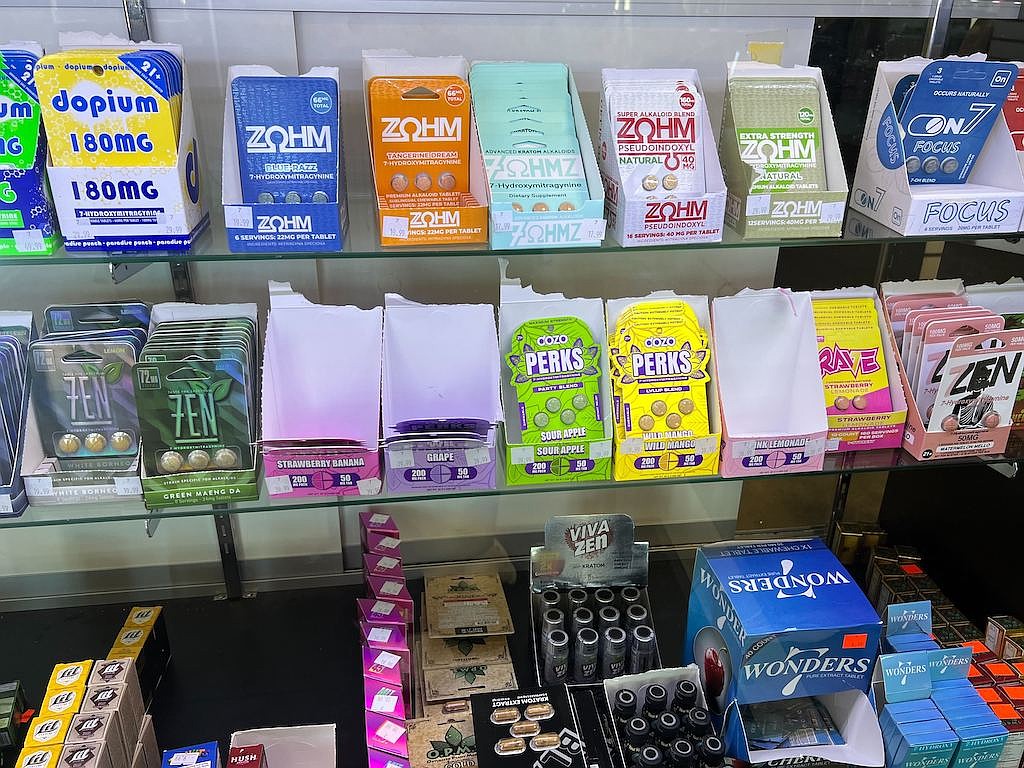
EPHRATA — The Ephrata City Council is set to consider an ordinance banning the sale, distribution and advertising of kratom products within city limits, a move that would make it the latest community in central Washington to take action on the unregulated substance.
The proposal, listed for a first reading at the council’s July 1 meeting, would prohibit any person or business from selling or distributing kratom or related products, including those containing the compound 7‑hydroxymitragynine, often referred to as 7‑OH.
If adopted, the ordinance would establish a new chapter in the Ephrata Municipal Code making it unlawful to sell, distribute or advertise kratom products within the city. Violations could carry civil penalties and repeat offenses may result in business license revocation.
The proposal comes as several communities across Grant and Adams counties have moved to restrict the substance. City Councils in Warden, Royal City and Mattawa have already adopted bans, while Othello in Adams County has enacted a similar ordinance. Unlike those jurisdictions, however, Ephrata officials say kratom products are currently being sold in local stores, making the potential ban more immediate for area businesses.
City Administrator Ray Towry said the council’s consideration follows concerns raised by council members. He said the issue centers largely on safety and the lack of regulation surrounding kratom products.
“It just doesn’t seem to be a real safe option, especially for young adults and children right now,” Towry said.
He said without state or federal oversight, consumers may not know what they are buying or ingesting.
According to documents included in the council packet, kratom is a plant-derived substance that acts on opioid receptors and can produce stimulant or sedative effects depending on dosage. Officials cited concerns including product variability, contamination, potential dependence, and adverse health effects such as seizures, liver injury and cardiovascular issues.
The packet also notes that the U.S. Food and Drug Administration has not approved kratom for medical use and has issued warnings about its potential risks. Federal regulation remains limited, and a proposed Washington state bill that would have established testing and labeling requirements did not pass during the 2026 legislative session.
In May, the Grant County Board of Health passed a resolution urging cities and the county to restrict or ban kratom sales until a comprehensive regulatory framework is implemented. The resolution cited increasing availability of concentrated kratom products in retail settings and a rise in exposure calls, including incidents involving children.
Matt Paluch, vice chair of the county Board of Health and president of the Moses Lake Community Coalition, said the substance poses a growing risk, particularly among youth.
“This has the potential to be a huge problem,” Paluch said, noting that highly concentrated products are already available in gas stations and convenience stores.
He said some packaging resembles common consumer items, making it difficult for parents or educators to recognize.
Health officials and coalition leaders have emphasized concerns about easy access, lack of labeling standards and the potential for addiction. Paluch said the goal is to reduce availability before more widespread issues develop. “It doesn’t belong anywhere around youth,” he said.
The proposed ordinance outlines two primary options for the council: maintain the status quo or adopt a ban or restrictions on kratom products. City staff have recommended moving the draft ordinance forward while determining specific penalties for violations.
For business owners, the proposal could mean losing a product category that generates revenue. City documents acknowledge potential economic impacts on retailers but emphasize that public health considerations should be weighed alongside those concerns.
Towry said the city is encouraging community input before a decision is made. Residents and business owners can submit written comments or attend the July 1 meeting to speak during the public comment period.
“Our goal certainly is to want everybody to be heard and be part of the process,” Towry said.
If approved, the ordinance would take effect 60 days after adoption and publication, giving businesses time to comply with the new rules.
Ephrata City Council Meeting
July 1 at 6 p.m.
Ephrata City Hall Council Chambers
121 Alder St. SW