


ACH builds a college-ready culture with AP program
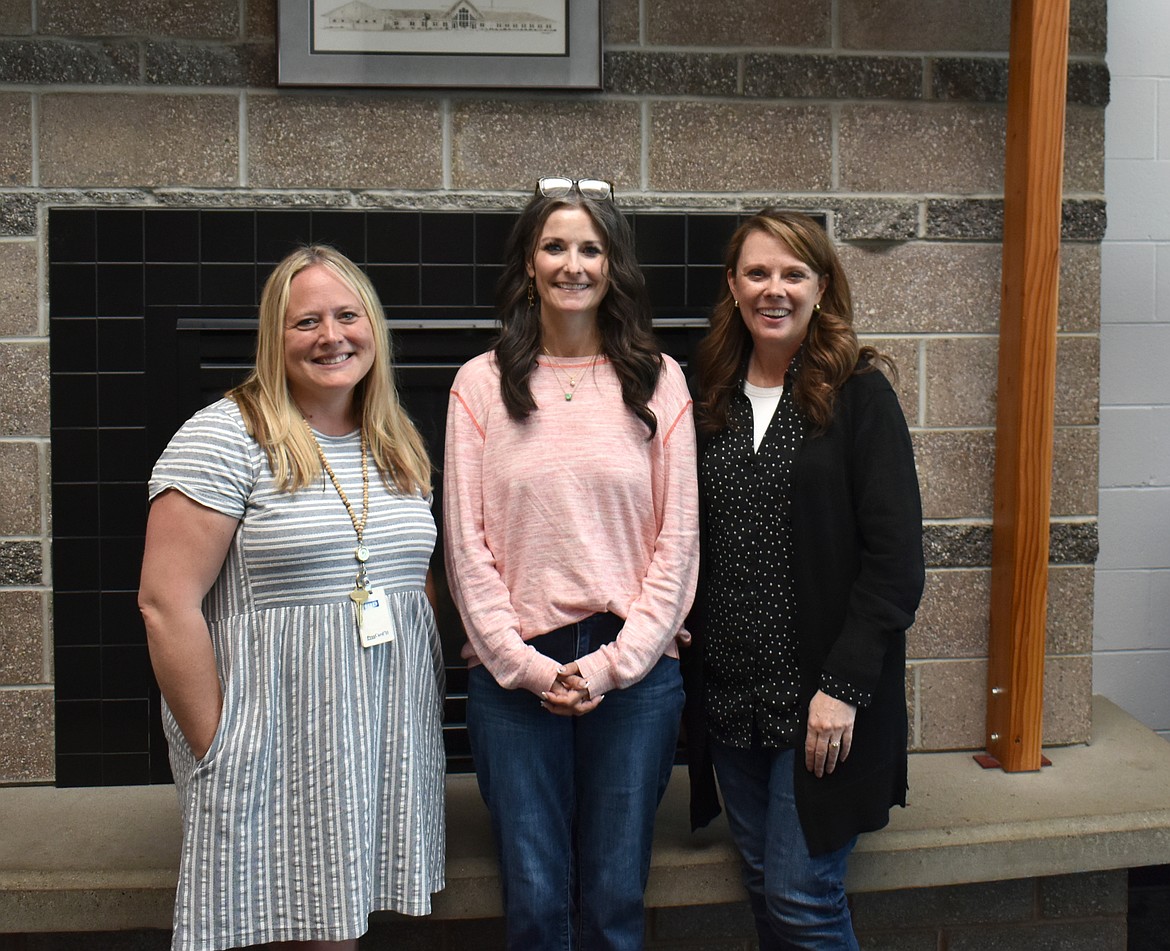
COULEE CITY — With a 2026 graduating class of 21, Almira/Coulee-Hartline High School is one of the smallest in the area, but its advanced placement, or AP, program rivals those of much larger schools.
“Our colleague at College Board (the organization that oversees the AP program) noticed that since 2019, our tests, both our test scores and the amount of tests we were administering for the examinations had risen significantly,” said ACH Counselor and English teacher Jennifer Goetz. “They were starting to look at wanting to encourage access and equity in rural schools, and they approached us and said, ‘What are you doing?’”
AP classes allow high school students to do college-level work in high school, which gives them college credit alongside the high school credit, according to College Board, and if they continue on to college, allow the students to skip some of the more basic classes other freshmen have to take.
Students take the courses and then sit for an exam in May, Goetz said. The students are scored on a scale of one to five, and a score of three or higher means they can claim college credit for the course.
“They are evaluated by a team of professionals outside of our building that evaluate the work that they do and decide if they have the skills to skip the college equivalent when they go on to a community college or a university,” Goetz said. “I feel a lot of reassurance that I'm not the final determiner of whether or not they're ready to skip that class at college or not.”
The AP program has blossomed in the last seven years, Principal Kelley Boyd said.
“When I became high school principal in 2019, we only had (AP English) and AP government, and then occasionally (AP) environmental science depending on who the staff member was who was teaching that,” she said.
When Goetz came on board at ACH 10 years ago, she said, she taught the two AP English classes, which was most of the AP curriculum available at the time. Math teacher Nicole Carstensen, when she came to ACH, added AP calculus and later AP pre-calculus, Goetz said.
Even those students who don’t score high enough on the test to skip the college class are benefiting, Goetz and Carstensen said, through what College Board called “the power of a two.”
Goetz explained that even if a student gets a two and doesn't get college credit, they've still been exposed to a level of rigor that makes them prepared to go to a university or a community college and excel in the class that they had some exposure to in college.
“I've had a lot of students come back if they've received a two on the AP English language exam,” she said. “That doesn't mean they failed; they had rich opportunities in the course. They've been exposed to the rigor, and most of the time they go and they take English 101 and they excel. Once we got that through our heads, that's when we really started focusing on our building philosophy of competency over credit. Instead of focusing on the magnitude of the exam at the end of the year and the pressure of ‘If you don't pass the exam, what was it for?’ It's more about we're focusing on the skills.”
“In the math world, there's very specific skills that are being tested on the exams, but at the same time (students learn) the general skills of problem solving and justification of your results,” Carstensen added. “All of those skills apply whether they're going the STEM route or not.”
About half of ACH students take advantage of the AP classes, Carstensen said. The students coming in next year will have access to nine AP classes during their high school years.
This year, Carstensen said, ACH used an AP course for the standard English 10 course all sophomores are required to take. The students will have the option of taking the exam and submitting a research paper in order to get AP credit, she said, but even without that, all of them will have been exposed to the AP curriculum.
“It centers around informational writing, research-based writing, effectively using evidence and analysis,” Goetz said. “We're trying to show students that AP is available for everyone.”
About half of ACH graduates typically go on to higher education after graduation, Boyd said.
“I feel like the AP does our students a service, getting them ready if they choose to go to college,” she said. “When they get that mindset and those same standards and expectations through the AP program, then usually that translates into ‘Yes, I'm ready for college, and I scored enough on my test that I can get college credit.' … Kids will rise to the level of expectations that we have for them. So, if we have these high expectations, they will rise to that.”