
Soap Lake FFA receives public hearing on agricultural land lab proposal
“Students deserve a chance to work with animals. This land lab gives all students that opportunity.”
Soap Lake FFA Advisor Michalla Maupin
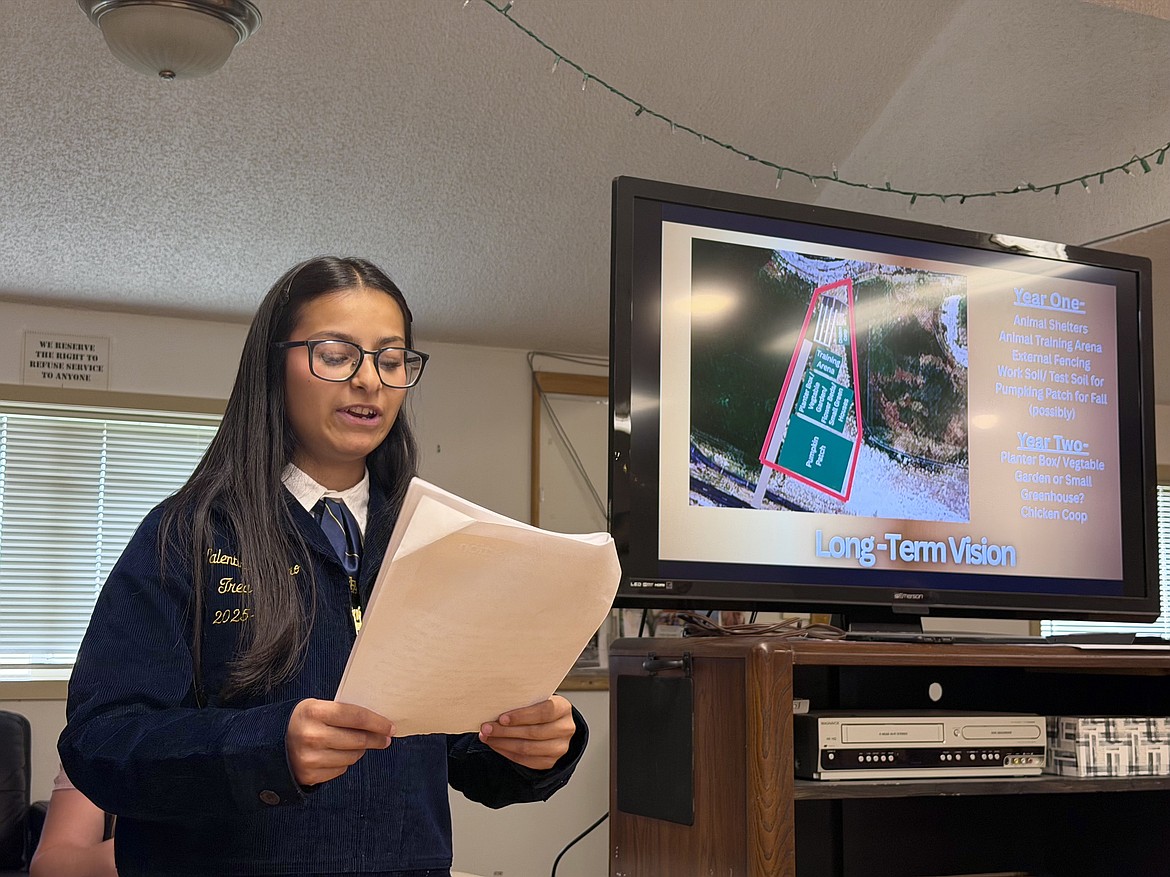
SOAP LAKE — Soap Lake FFA students are one step closer to bringing hands-on agricultural education to their campus, presenting plans Monday for an agricultural land lab during a public hearing before the city planner.
The proposal would repurpose an unused portion of land at Soap Lake Elementary School into a multi-use facility for raising animals, growing plants and expanding career and technical education opportunities.
City Planner Alex Kovach opened the June 1 hearing, explaining the purpose was to gather public input on a conditional use permit required for the project in a residential zone.
“The purpose of this hearing is to receive public input on the conditional use for the proposed FFA land lab and animal fence,” Kovach said.
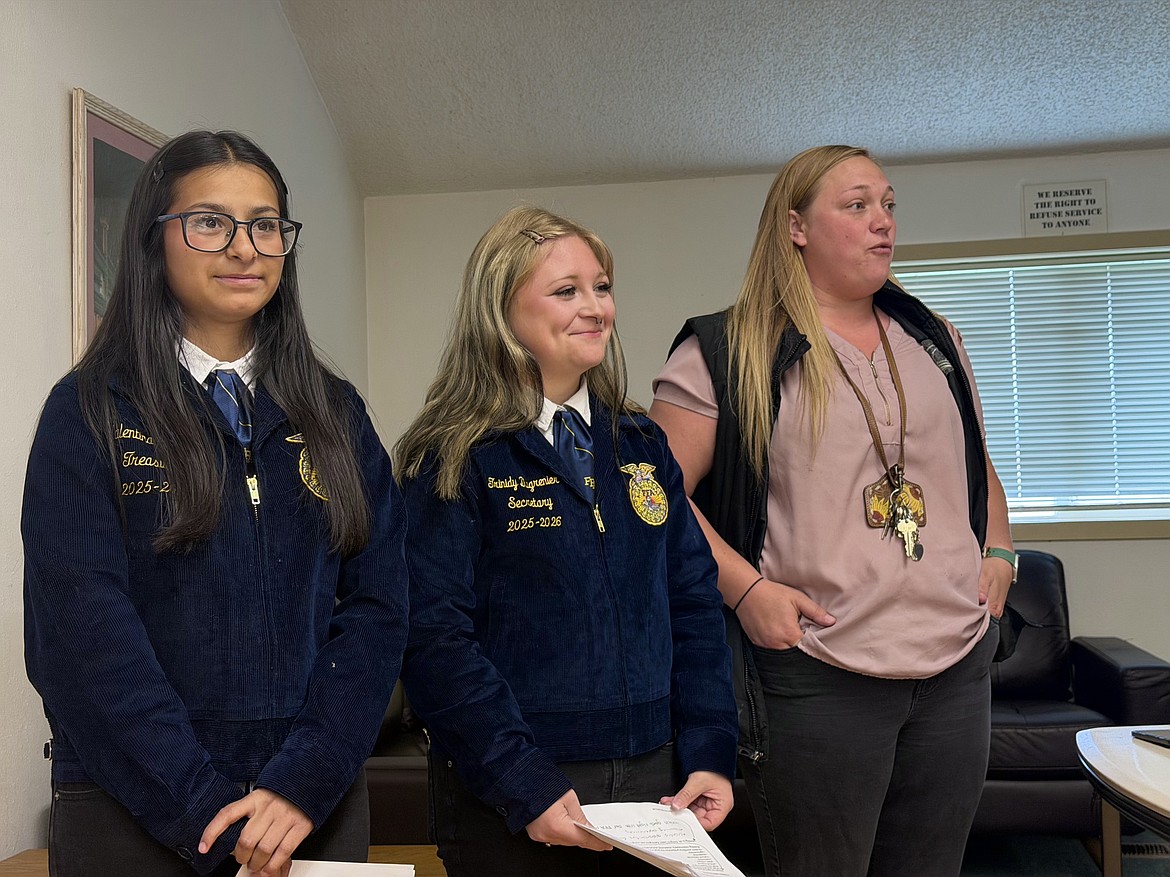
The presentation was led by incoming Soap Lake FFA President Trinidy Dugrenier and Vice President Valentina Solero, along with FFA advisor Michalla Maupin.
Dugrenier said the project is rooted in expanding opportunities for students through hands-on learning.
“It’s an opportunity for hands-on agriculture education tied to classroom instruction,” she said, also saying it would support animal science, plant science and workforce preparation skills.
The proposed land lab would include fenced areas for goats, sheep and chickens, along with gardens, greenhouses, and other agricultural features. The plan also includes a training arena for working with animals and a buffer zone to minimize potential impacts on nearby properties.
Solero said the project has been carefully designed with consideration for the surrounding neighborhood.
“We took into consideration the surrounding areas, odor and property lines,” Solero said. “Our focus is on goats, sheep and chickens.”
Students said the land lab would benefit not only the school, but the broader community.
“This isn’t just for our school,” Dugrenier said. “This is for our community.”
She added the project would give students who live in town, and may not have space to raise animals, an opportunity to participate in agricultural programs.
“There’s so many kids who live in town who can’t have goats, sheep, or chickens,” Dugrenier said. “This is benefiting local kids who can’t raise animals.”
Dugrenier said the land lab could also create opportunities for community involvement, including the potential sale of eggs and plants grown by students.
“All of the plants we’re going to plant, all of the chicken eggs we’re going to sell – this is to get our community involved with our school,” Dugrenier said.
Maupin, who has advised the FFA chapter for about a decade, said the project has been in development for several years and recently received a $20,000 Perkins grant to help fund initial construction.
She said the land lab would expand existing programs by providing real-world, hands-on learning experiences.
“Students deserve a chance to work with animals,” Maupin said. “This land lab gives all students that opportunity.”
The facility is also expected to benefit younger students. Dugrenier said FFA members already work with elementary classrooms and hope to expand that connection.
“They got to experience the animals and learn about them,” she said, referring to past visits that included a petting zoo and planting activities. “We’re trying to get them as involved as possible.”
During the public comment portion of the hearing, community members largely voiced support for the project while raising questions about safety, security and location.
“I strongly support creating this,” resident Eileen Beckwith said. “I think it’s a great idea.”
However, Beckwith and others expressed concerns about loose dogs and predators in the area and the need for secure fencing.
Maupin said those issues have been considered in the design, including plans for six-foot chain-link fencing, additional barriers to prevent digging and enclosed housing for animals such as chickens.
“We’re trying to make sure everything is secure,” she said.
Another resident suggested relocating the project closer to the school playground for better visibility and access. Maupin said the current location was chosen to use underutilized land while minimizing disruption to other school activities.
Students also addressed operational concerns, explaining that animals would only be on site during April through August and that student managers would oversee daily care.
Dugrenier said she plans to serve in that role next year, gaining experience while helping ensure animals are properly cared for.
“I’ll be watching over everybody’s animals just to make sure that they’re safe,” she said.
Kovach said the city will now review public input and evaluate the proposal against city code requirements before making a decision.
“We’ll be taking all the comments and testimony recorded, writing up a report and determining whether it should be approved or denied,” he said.
The decision will be made administratively by the city planner, with any conditions – such as fencing or operational requirements – included in the final approval.
If approved, the district could begin moving forward with construction, with initial work focused on fencing and animal shelters.
For Dugrenier and her fellow FFA members, the project represents more than just a new facility; it’s an investment in the future of their school and community, she said.
“This is a big deal for me,” she said. “I’m really excited, I really hope that we get to see this happen.”