
4 Republicans pitch different approaches to growth, spending and agriculture in Grant County Commissioner race

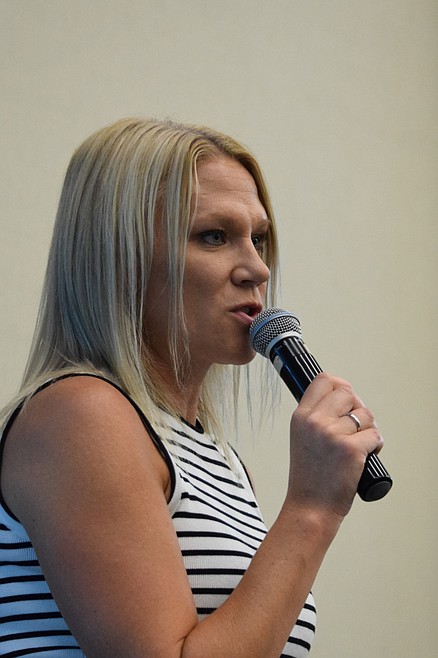
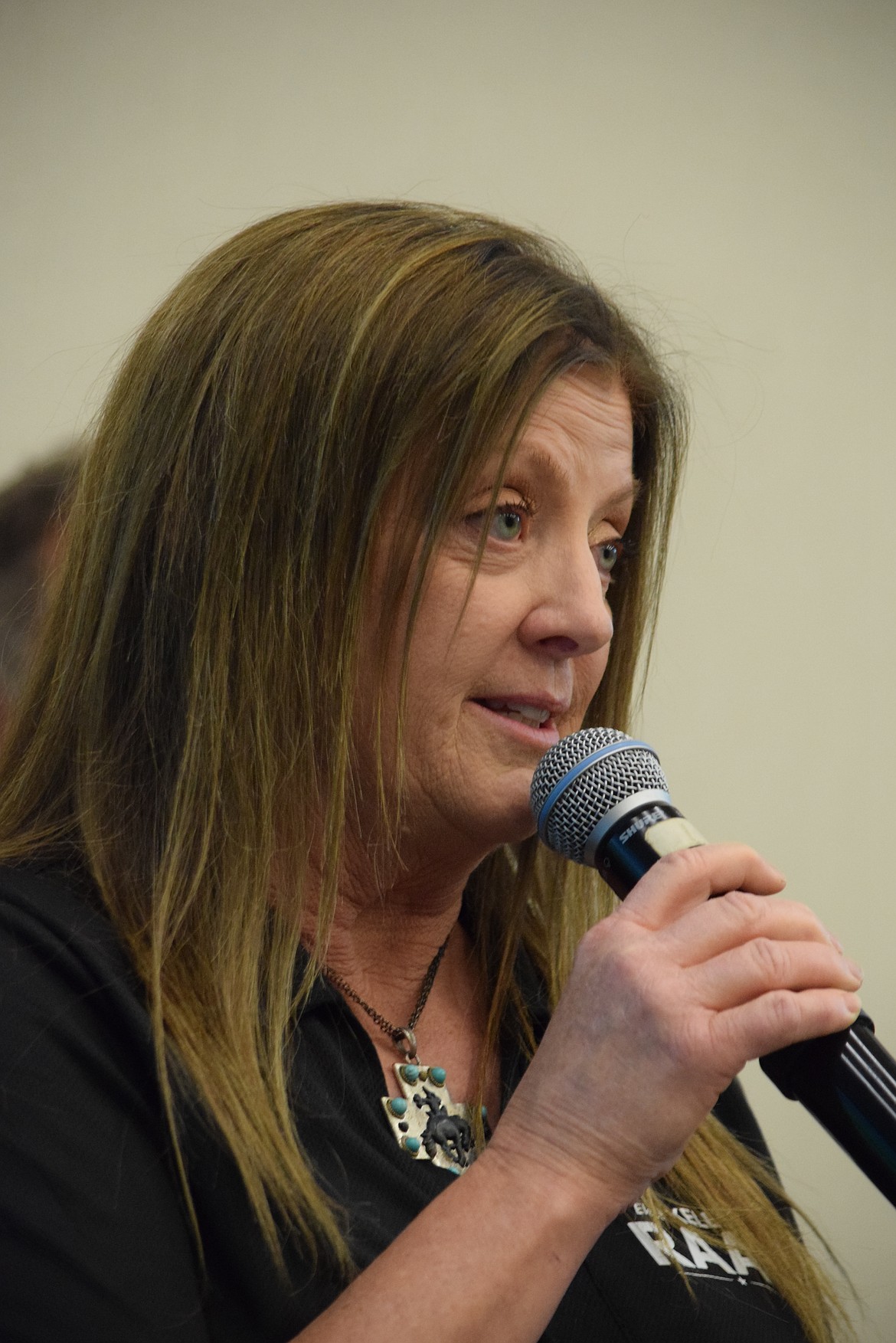
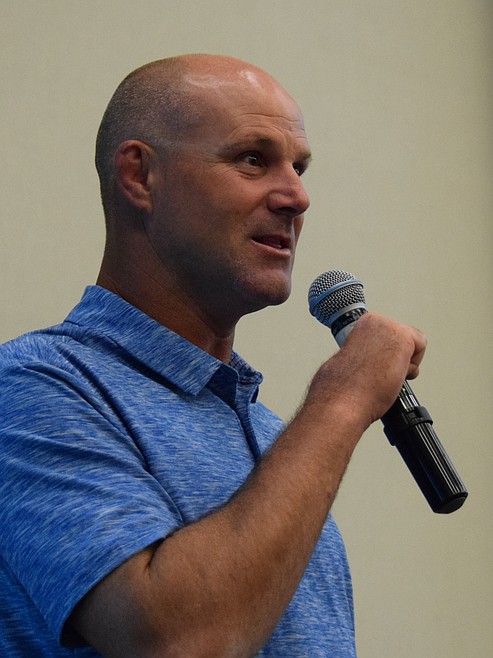
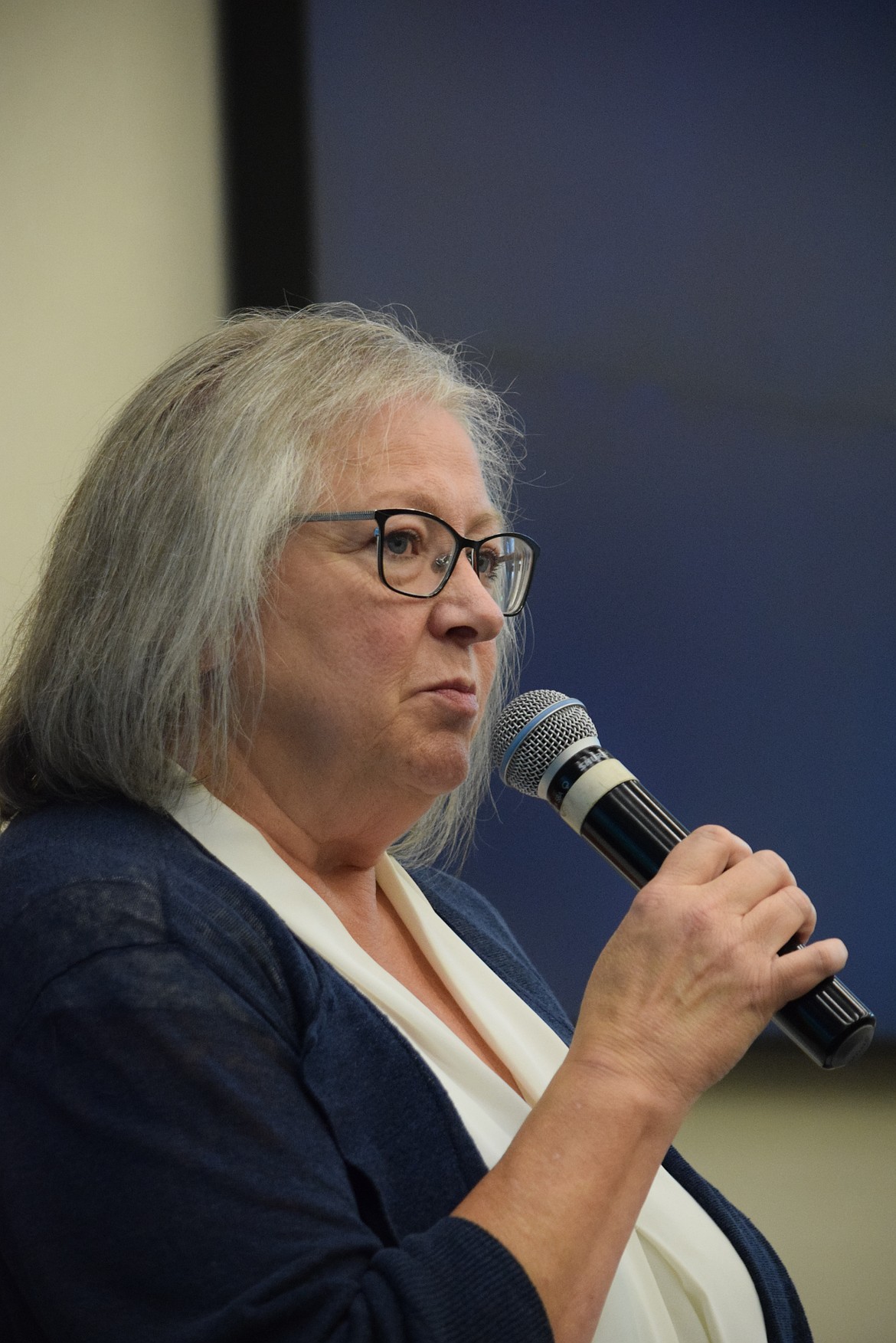
MOSES LAKE — With ballots due Aug. 4, voters in Grant County Commissioner District 3 have four Republican candidates to choose from: Shannon Durfee, Kelly Raap, Seth Weeks and Janice Flynn.
The candidates appeared at a recent Moses Lake Chamber of Commerce forum, where each introduced themselves, answered a personalized question and then addressed a common question about managing the county's rapid growth, particularly around Moses Lake.
While all four candidates emphasized fiscal responsibility, support for agriculture and taxpayer accountability, their answers highlighted different approaches to governing.
The full forum video is available on the Columbia Basin Herald Facebook page at bit.ly/PrimaryCandidateForum.
Meet the candidates
Shannon Durfee is a lifelong Grant County resident, small business owner, communications professional and Quincy School Board member. She said her campaign is driven by a desire to ensure county residents benefit from continued growth.
Kelly Raap comes from a farming background and works in bookkeeping. She said her experience managing budgets and understanding the agricultural economy would help her serve taxpayers effectively.
Seth Weeks, an orchardist from Mattawa, has served 16 years on the Wahluke School Board. He said protecting agriculture, water rights and property rights are among his top priorities.
Janice Flynn, the finance director for Royal City, previously worked in the Grant County Commissioners Office overseeing more than $40 million in grants. She said her government experience would allow her to step into the commissioner role immediately.
Janice Flynn
Q: Looking back on your time as administrative services coordinator, what decision would you defend and what would you do differently?
Flynn defended the county's decision to accept COVID-era grants, despite criticism from some residents who urged the county to reject the funding.
According to Flynn, refusing the money would not have prevented it from being spent. Instead, she said, the funds would likely have gone to private organizations or nonprofits with less local oversight.
"There was no benefit to turning it down," Flynn said, arguing local officials should have control over how money is distributed within the county.
As for changes she would make, Flynn said better information and guidance from the state would have helped county officials navigate the complex grant requirements. She acknowledged that some funding was returned because regulations made it difficult to distribute all of the money in time.
Seth Weeks
Q: You've suggested the county should have considered acquiring the former Samaritan Hospital property for the new coroner's office. What evidence do you have that would have been a better investment than building a new facility?
Weeks said his comments about the former Samaritan Hospital reflected a desire to explore alternatives and think creatively about county spending.
Rather than presenting a detailed cost comparison, Weeks said the proposal was intended to encourage discussion about whether a less-expensive option existed.
"We can't always look for the shiniest and best outcome," Weeks said. "We need to be looking for the most fiscally responsible way to get things done."
Weeks specifically questioned whether the county's approximately $14.5 million coroner's facility project was more expensive than necessary, while acknowledging he still has more to learn about county operations.
Kelly Raap
Q: If there is a conflict between attracting a major employer and protecting agricultural land or water resources, where would you draw the line?
Raap said agriculture remains the foundation of Grant County's economy and should not be sacrificed for industrial development.
At the same time, she said the county cannot ignore opportunities that bring jobs and investment.
Raap advocated searching for industrial sites that do not remove productive farmland from service and do not compete with agriculture for water resources.
"I think there's got to be a balance," she said.
Raap also emphasized community engagement before approving major projects, particularly in smaller communities that could be directly affected.
"We have to be educated in the opportunities that are coming," she said, adding that commissioners should spend time understanding what local residents want before making decisions.
Shannon Durfee
Q: What county policy or practice would you change immediately to better prepare Grant County for future growth?
Durfee did not identify a specific policy she would seek to change immediately.
Instead, she focused on leadership style, saying improved communication, collaboration and accountability are needed as Grant County continues to expand.
"I think it's all a part of communication. It's all about relationships. It's all about working together," Durfee said.
Durfee noted that replacing longtime Commissioner Cindy Carter will naturally bring a fresh perspective regardless of who wins the seat. She said she would focus on asking hard questions, building productive relationships, and working collaboratively with fellow commissioners.
"I'm not the only person on the board," she said. "There's two other commissioners."
Question for all candidates
Q: Grant County continues to experience population and industrial growth, especially around Moses Lake. What are your top priorities for ensuring roads, infrastructure, public services and quality of life keep pace without overburdening taxpayers?
Durfee
Durfee said the county must proceed thoughtfully and thoroughly evaluate proposed developments before approving them.
She emphasized gathering information from affected communities, county departments and economic development leaders.
"Let's pace ourselves. Let's ask all the right questions," she said.
Durfee repeatedly stressed that commissioners have a responsibility to protect taxpayers and fully understand the impact of major projects before moving forward.
Raap
Raap said her background in agriculture and bookkeeping has taught her the value of careful analysis and attention to detail.
She pointed to issues she has heard about involving housing development and permitting delays, saying county leaders need to understand challenges across a variety of industries.
Rather than making decisions from afar, Raap said commissioners must seek out people directly affected by county policies.
"My job is to go out there and talk to the people that are involved," she said.
She said her goal would be finding balanced solutions that support growth while remaining financially responsible.
Weeks
Weeks focused on collaboration and communication among government agencies, businesses and residents.
He said the county should make it easier for businesses, industries and property owners to succeed while ensuring that decisions reflect a broad range of viewpoints.
"More input, more intel from more different people tends to make a better decision," Weeks said.
He warned against making decisions based on a single perspective and argued that large projects require participation from all stakeholders.
Flynn
Flynn highlighted long-term infrastructure planning and leveraging outside funding.
She pointed to the county's six-year transportation plan as a critical tool for prioritizing road improvements as growth continues.
Flynn also said the county should partner closely with cities and use available infrastructure funding, grants and state programs to stretch local tax dollars further.
"We need to look at leveraging our money," Flynn said.
However, she cautioned that not every grant is worth pursuing if the accompanying requirements ultimately create more costs than benefits.