


Thursday, July 30, 2026
80.0°F

Soap Lake water shows elevated - but not dangerous - PFOA
by NANCE BESTON
Staff Writer | July 30, 2026 3:15 AM

SOAP LAKE — A routine drinking water test in Soap Lake found levels of perfluorooctanoic acid (PFOA), a type of “forever chemical,” slightly above Washington state's action level, prompting public notice from city officials. 

Samples collected July 10 from Well No. 3 detected PFOA at 11.8 parts per trillion, exceeding the state's action level of 10 parts per trillion, according to a notice released by the city Tuesday. 

PFAS, or polyfluoroalkyl substances, also called forever chemicals, are man-made chemicals that persist in the environment and can build up in the human body over time. Washington water systems are required to notify customers when levels exceed state action levels established by the Washington Dept. of Health. 

City Public Works Director Eli Olson said the result was only marginally above the limit. He also explained the city has no control over if the containment makes it into the water source. 

“The water is safe to drink,” Olson said. “We're just barely testing over their limit right now. The city cannot control how much PFOA is within our water. However, we will work with the Dept. of Health to ensure residents are informed as we work on next steps." 

WDOH's notice states that no immediate action is required. However, pregnant or breastfeeding individuals and those mixing infant formula with tap water may consider using an alternative water source or a certified treatment system. 

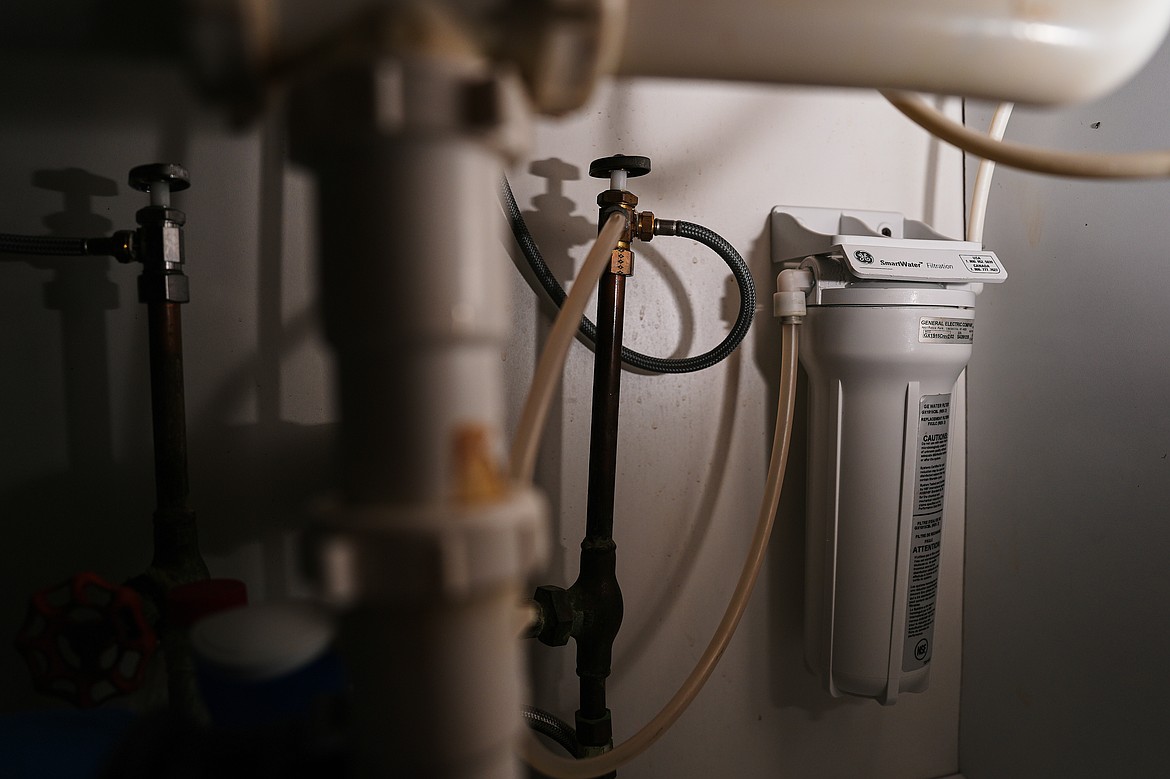
Olson said residents concerned about PFAS can reduce exposure through home filtration. 

“For anybody that's concerned about it, they're able to remove it with a charcoal water filter,” Olson said. 

City officials are also evaluating long-term solutions. Olson said discussions with the city's engineering firm indicate treatment at the source.  

“We'd basically have to put a large charcoal-type filter on Well 3,” Olson said. “It could be in the millions of dollars to remove the PFOA at the water source.” 

The city received the test results July 10 but waited until July 28 to issue its notice. Olson said the city remained within the state's 30-day notification requirement and delayed publication while seeking additional guidance from state officials. 

“We had 30 days to post, and we were waiting for some more information from the state,” Olson said. 

Among the options under consideration are blending water from multiple wells to lower concentrations or potentially returning an inactive well to service. 

Olson also addressed criticism from residents who questioned why city staff did not go door-to-door to notify customers. 

“The Dept. of Health does not require us to go door to door on a PFOA test over the limit,” he said. 

According to Olson, notices were posted on the city's website Tuesday afternoon and distributed at City Hall, the post office, the library and local businesses. 

Under Washington's PFAS monitoring program, the city must continue notifying customers quarterly if results remain above the state action level. Olson said the city will continue working with the WDOH on a long-term response. 

PFOA has been linked in some studies to effects involving cholesterol, the liver, the thyroid and the immune system, as well as certain pregnancy-related health concerns, according to WDOH. Health officials note that research on PFAS is ongoing and that exceeding a state action level does not mean individuals will immediately experience health problems.