


Renovated low-income housing unveiled in Grant County communities
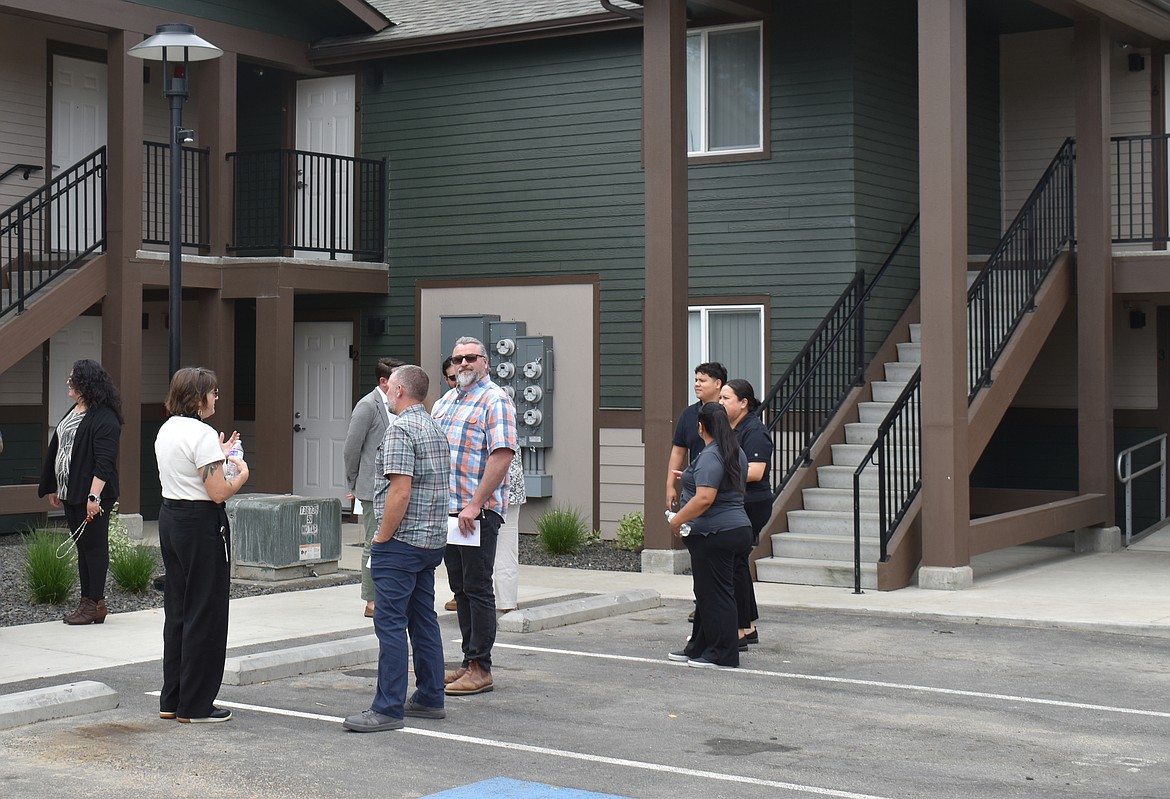
Community members check out the new-and-improved Quincy Manor apartments at a ceremony Tuesday. Quincy Manor is, one of three low-income housing projects in Grant County recently renovated by Catholic Charities Housing Services.
JOEL MARTIN/COLUMBIA BASIN HERALD
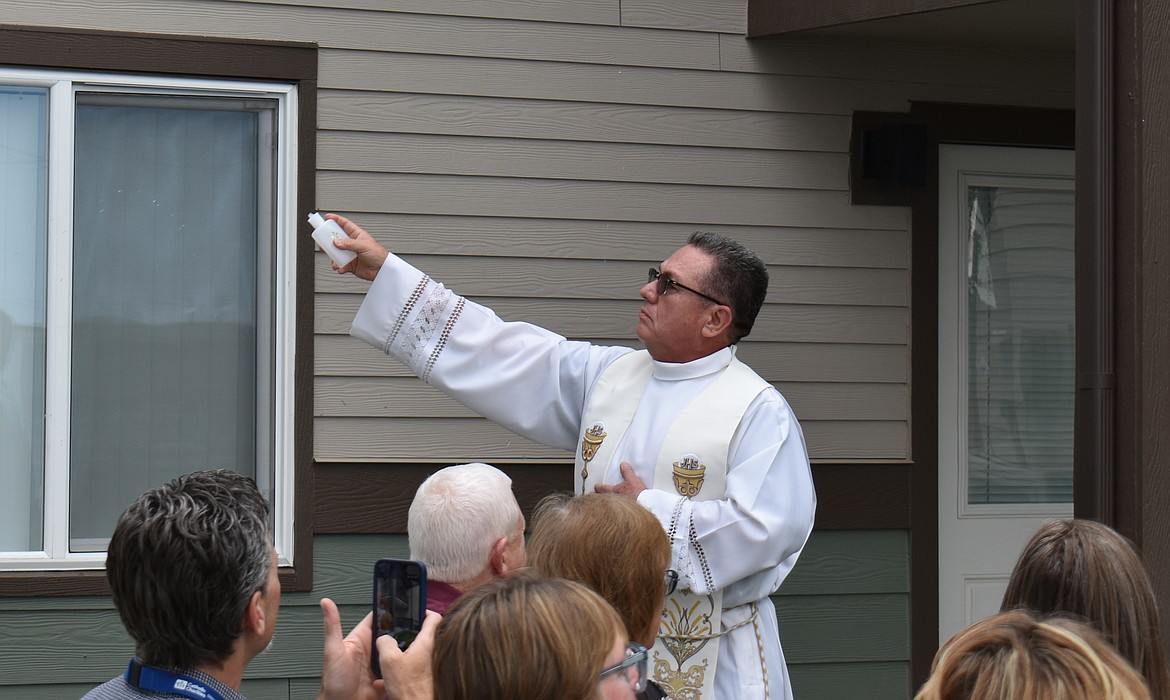
Fr. Cesar Vega Mendoza of Moses Lake blesses the newly-renovated Quincy Manor apartments at the ceremony Tuesday.
JOEL MARTIN/COLUMBIA BASIN HERALD
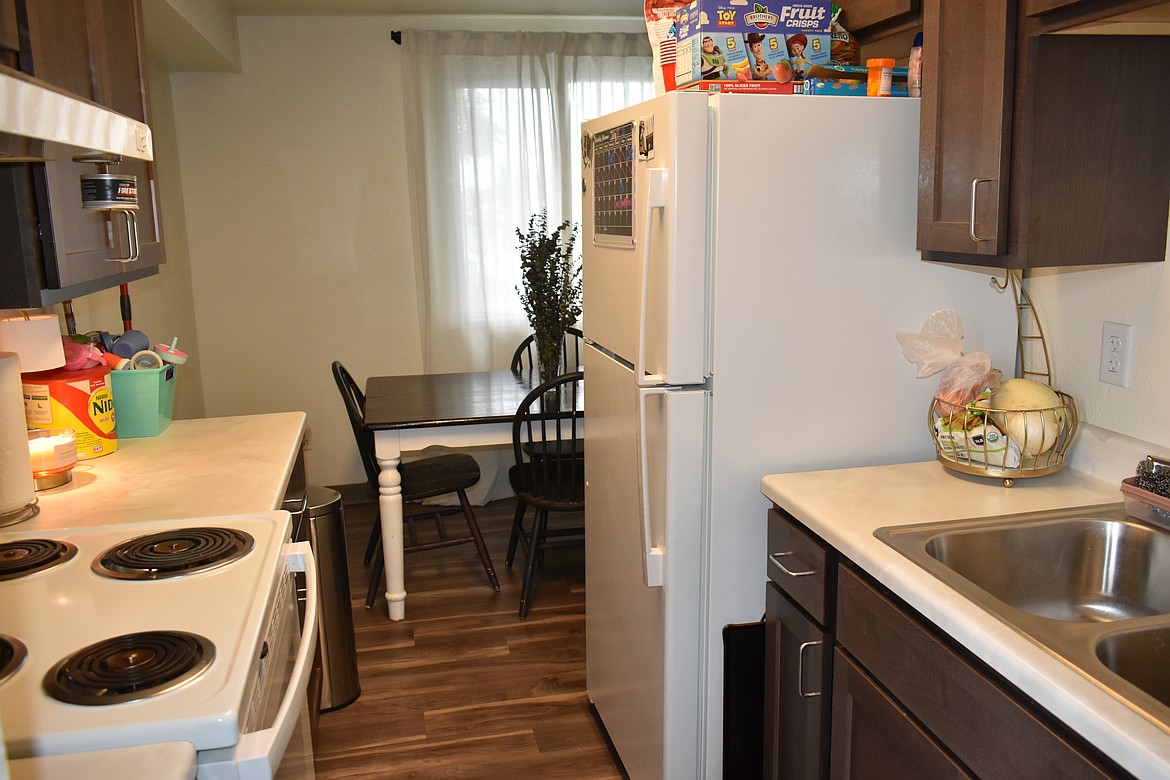
The apartments at Quincy Manor, Villa Santa Maria and La Amistad have all-new countertops and cabinets, among other improvements.
JOEL MARTIN/COLUMBIA BASIN HERALD
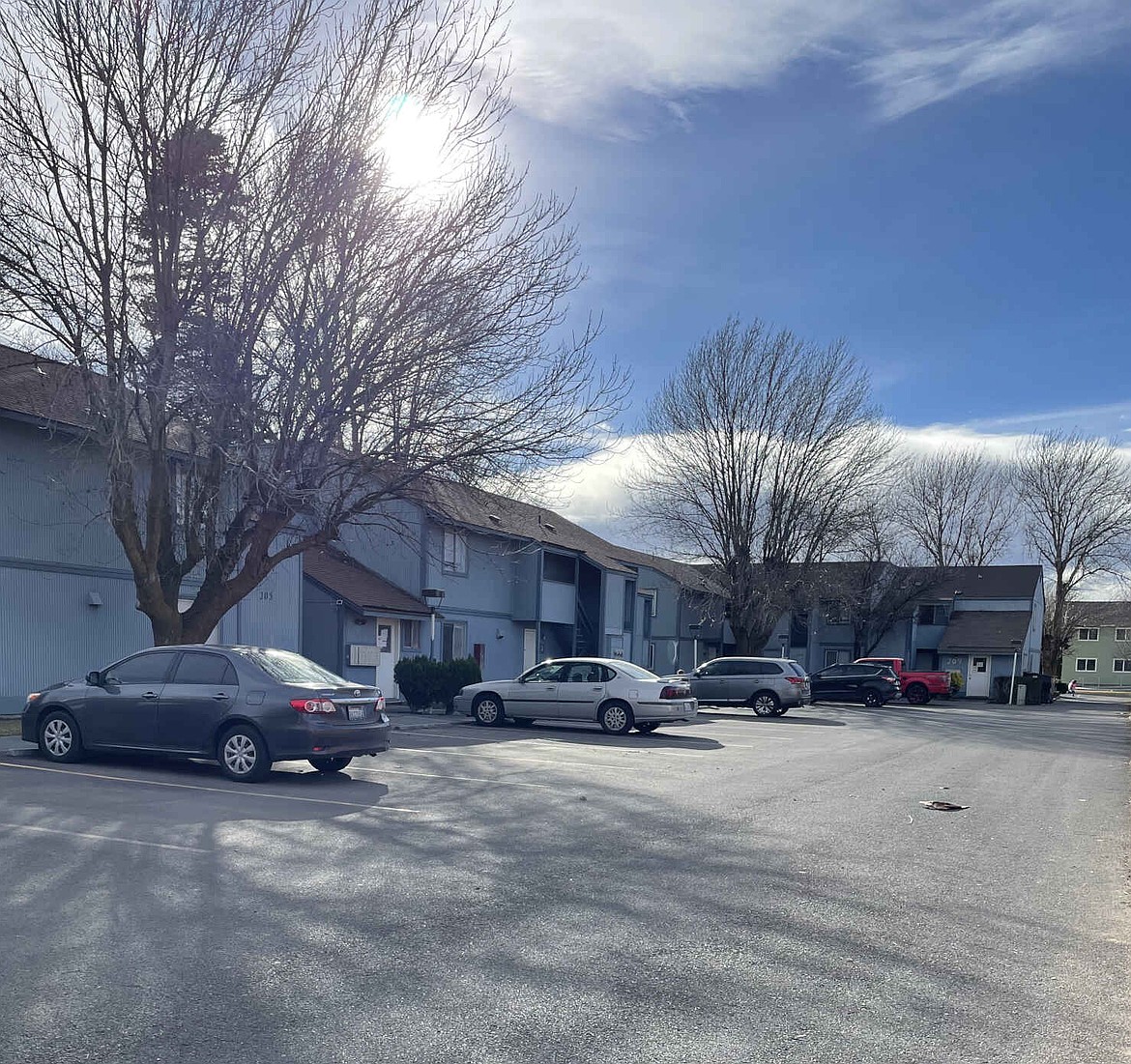
The Quincy Manor apartments before the extensive renovation project that concluded Tuesday.
COURTESY PHOTO/CATHOLIC CHARITIES HOUSING SERVICES
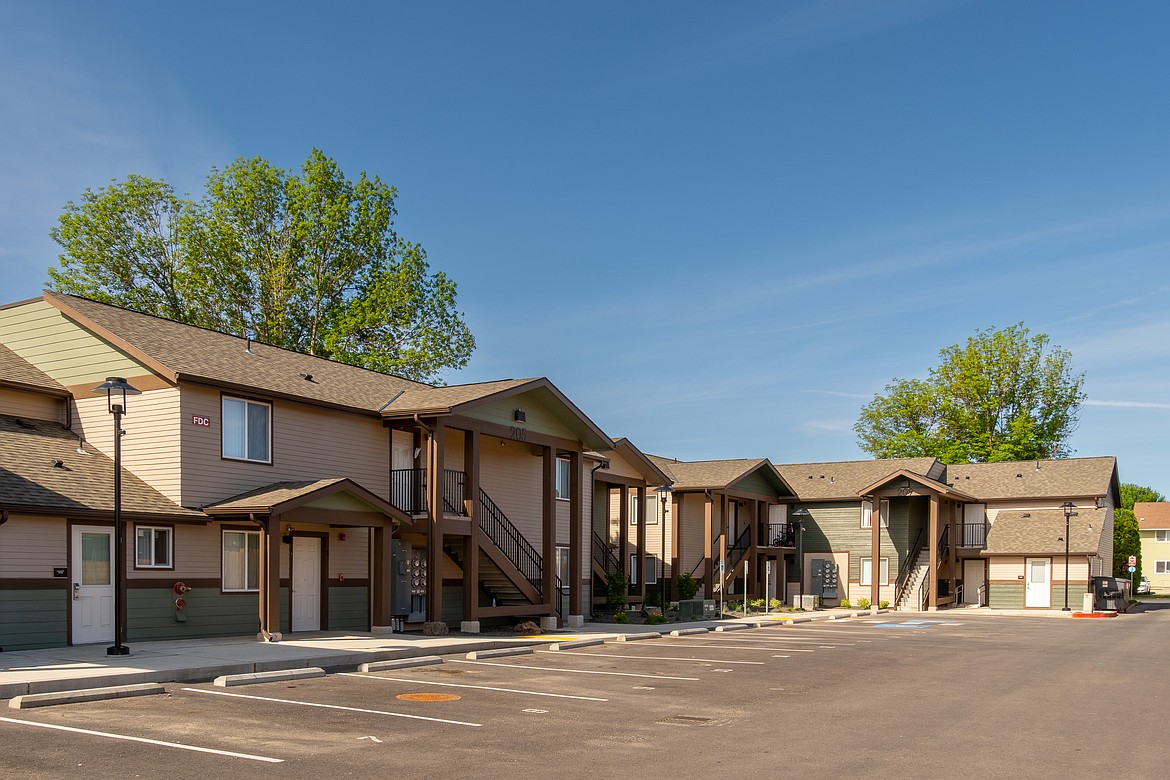
Quincy Manor after renovation. The other two communities, La Amistad in Warden and Villa Santa Maria in Mattawa, share the same color scheme, according to CCHS Housing Developer Camille Gallegos.
COURTESY PHOTO/CATHOLIC CHARITIES HOUSING SERVICES
QUINCY — A new-and-improved Quincy Manor apartment complex was unveiled at a ceremony Tuesday.
“Today is not only about buildings preserved or units counted,” said Catholic Charities Housing Services Director of Housing Services Bryan Ketcham. “It's about families having a place to begin again, children having a stable home from which to learn and grow, and communities becoming stronger because people are rooted, supported and seen.”
Quincy Manor, with 20 units, is one of three low-income apartment complexes operated by Catholic Charities Housing Services that received a complete makeover, according to Ketcham. La Amistad in Warden, with 30 units, and the 45-unit Villa Santa Maria in Mattawa were also renovated. The apartments in all three complexes were refurbished with new roof systems, interior and exterior paint, upgraded cabinets and countertops and updated community spaces, according to CCHS.
The completed work was celebrated in a ceremony in Quincy Tuesday morning at Quincy Manor with CCHS officials, nonprofit partners and local community members. State Sen. Judy Warnick, a longtime supporter of CCHS’ work, and Fr. Cesar Vega Mendoza, pastor of Our Lady of Fatima Catholic Church in Moses Lake, were also in attendance. Vega delivered an opening prayer and blessed both attendees and the complex with holy water.
“I love starting out with a blessing,” Warnick said. “And I’m glad Father sprinkled those bikes (beside the building) with holy water, because this is a busy street and hopefully the children who ride those bikes will be protected.”
The State of Washington helped with the cost of the work, Warnick said, but so did a number of private entities.
“We’ve got nonprofits, we’ve got the community of faith and the city, (some) banks,” Warnick said. “Those are the type of projects I like, because people are vested in them. It’s not just a developer coming in and building it and charging rent and going away.”
The process of renovating 95 apartments that had families living in them was no mean feat, Housing Developer Camille Gallegos said. The Quincy families could be housed in hotels, she said, and still stay fairly close to their work and schools.
“Warden and Mattawa are much more rural, and we had some significant barriers to finding places for those people to stay,” she said. “As we looked around, we saw that there were a few developments up and coming, and we were able to visit with those developers and convince them to rent to us as they finished those brand-new units so our tenants could stay in town … Those builders worked with us, and we secured seven apartments and were able to rotate people around between those two projects into those apartments.”
The mass upgrades came with other snags that required some creative solutions, Gallegos said.
“In Mattawa, it’s very windy,” she said. “Every time they put down mulch, it blows away. That’s not just a problem with money blowing away in the wind; it’s a problem that causes erosion. We were able to replace all of the park with rock, and now it’s all staying put.”
The renovations also added a community room to each complex, and a small playground for the children.
“Every day there are kids out here playing on it,” Gallegos said. “The children on this site, most of them are under 10, so this is a great addition for them.”
CCHS operates more than 33 low-income, senior and farm worker housing communities in central Washington, with more than 1,100 units, Ketcham said. CCHS also has a separate program that helps low-income families build and own their own homes.
“We work to cultivate safe and healthy communities where people can grow and thrive,” Ketcham said. “We … can see the results in the lives of the families who remain housed, children who graduate, first-time home buyers who build equity and neighbors who become leaders, business owners, teachers, health care workers, tradespeople, and advocates for the next generation. Today, we are especially grateful for the preservation of these three housing developments and all 95 homes that they represent. Preserving affordable housing is not only a financial or technical achievement; it is a moral commitment. It says to families, ‘You belong here. Your community values you and your future matters.’”
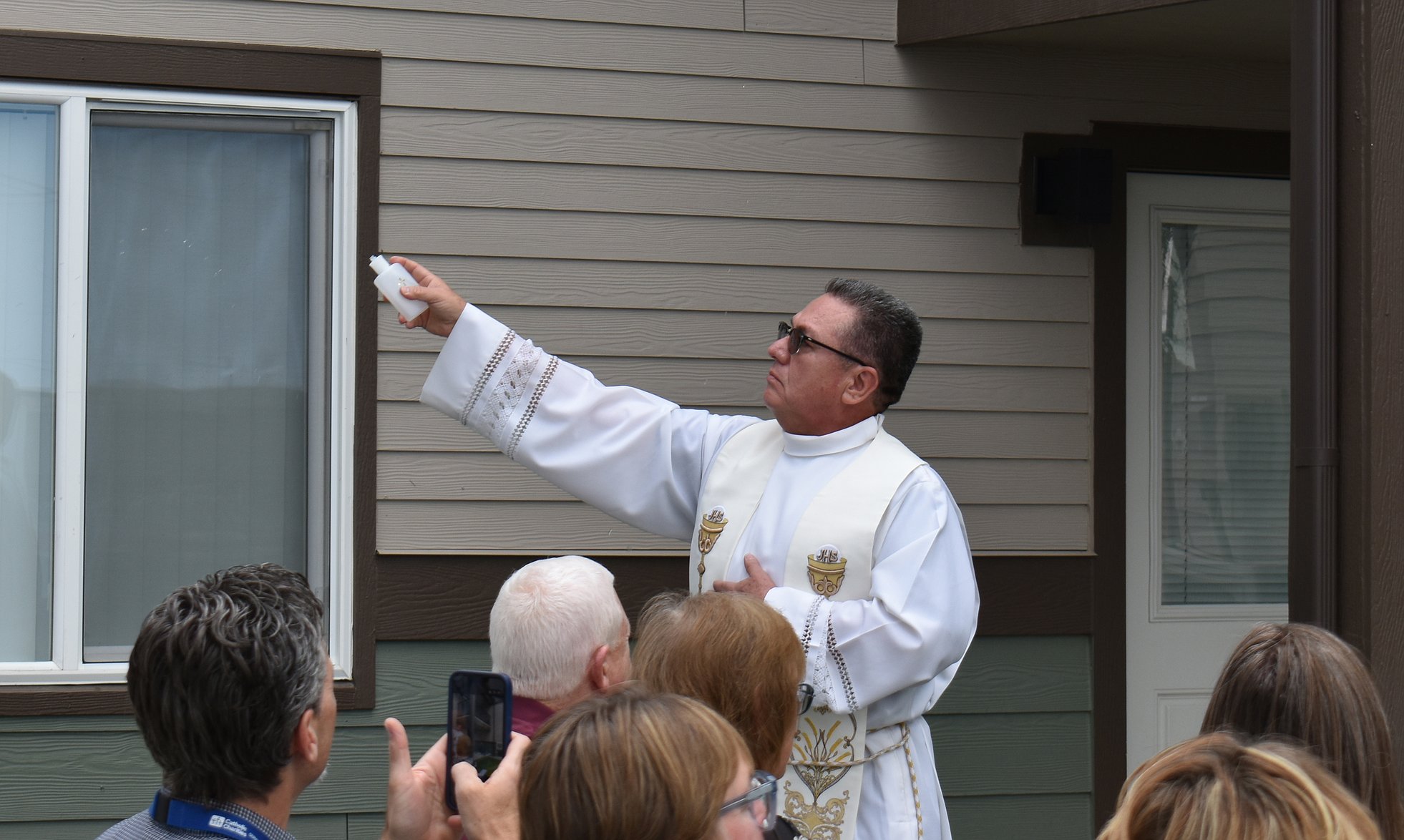 Fr. Cesar Vega Mendoza of Moses Lake blesses the newly-renovated Quincy Manor apartments at the ceremony Tuesday.
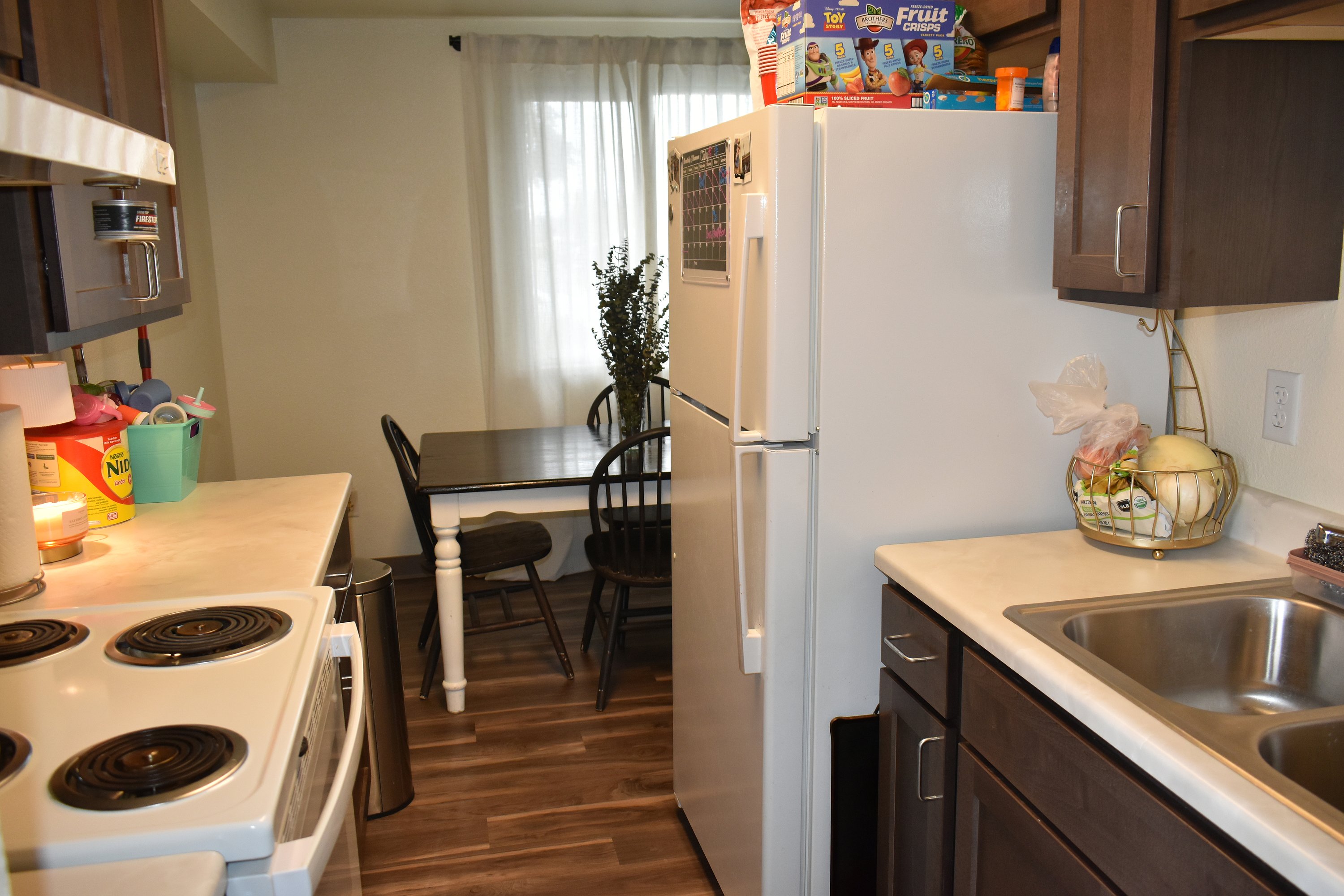 The apartments at Quincy Manor, Villa Santa Maria and La Amistad have all-new countertops and cabinets, among other improvements.
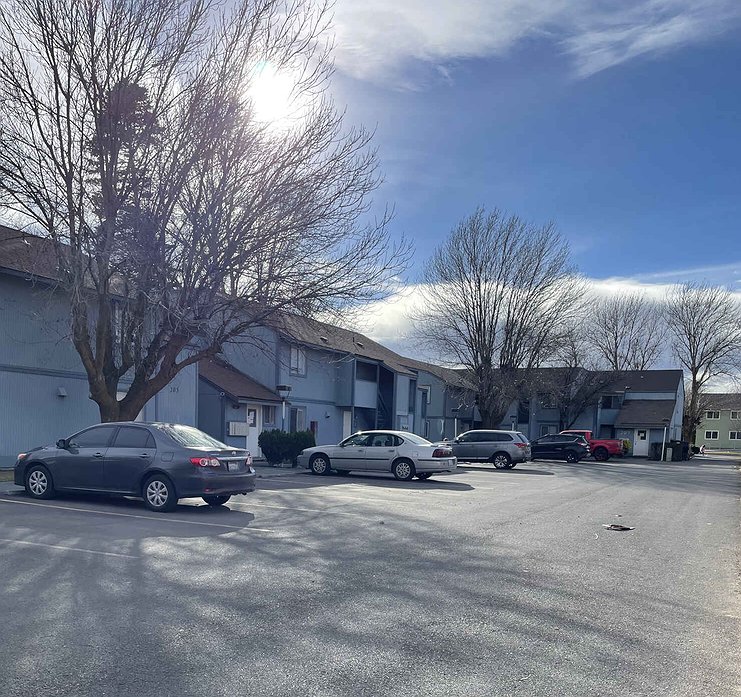 The Quincy Manor apartments before the extensive renovation project that concluded Tuesday.
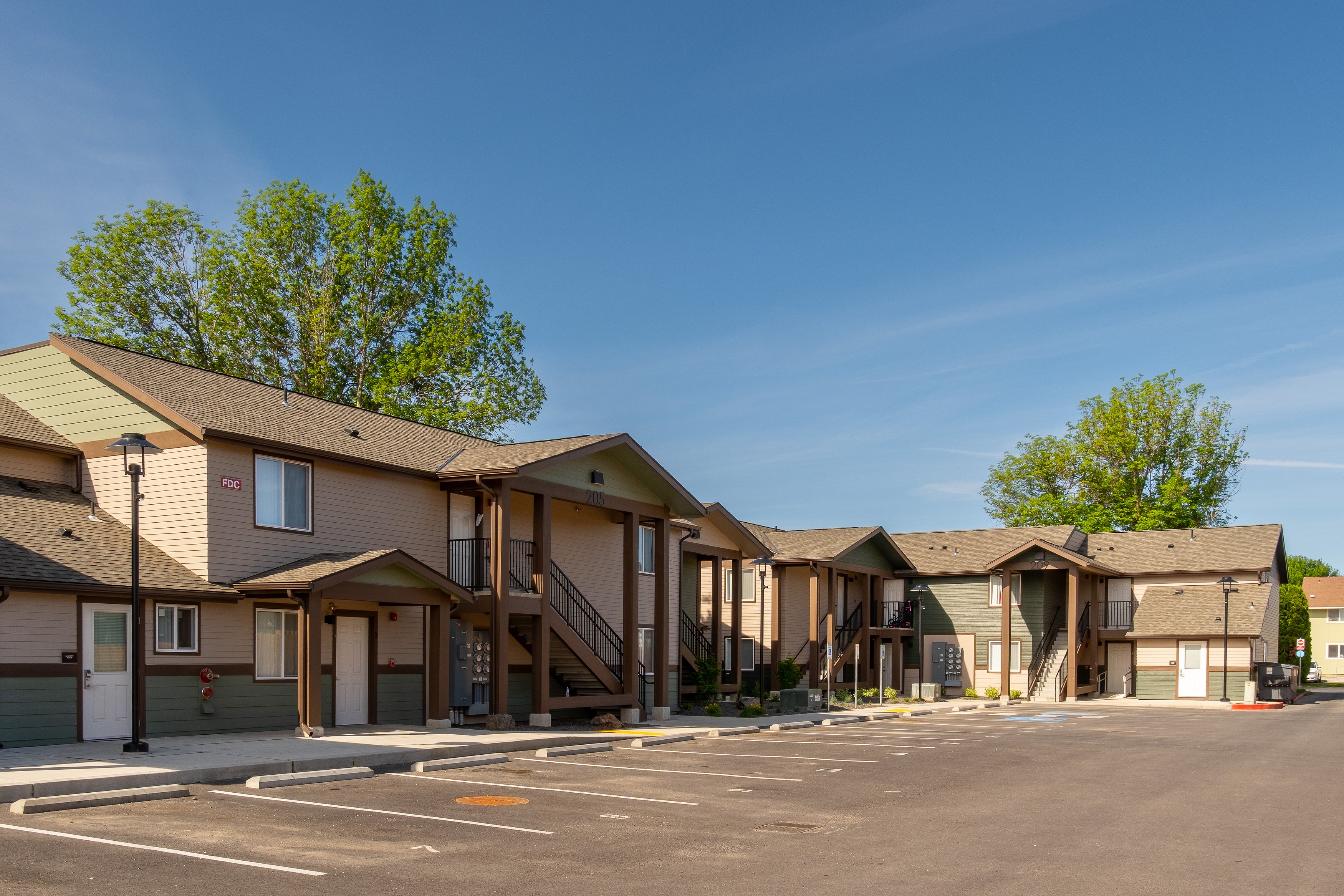 Quincy Manor after renovation. The other two communities, La Amistad in Warden and Villa Santa Maria in Mattawa, share the same color scheme, according to CCHS Housing Developer Camille Gallegos.