Friday, July 10, 2026
71.0°F

Moses Lake meeting part of state initiative to address water availability
by CHERYL SCHWEIZER
Staff Writer | July 10, 2026 3:45 AM

MOSES LAKE — Officials from Columbia Basin cities sat down with the director of the Washington Department of Ecology in Moses Lake Tuesday to talk about water. It was part of a statewide effort to outline a plan for the present and future of water use across Washington. 

Department of Ecology Director Casey Sixkiller said the initiative came from Gov. Bob Ferguson and a continuing drought around the state. 

“Finding ourselves in another year of drought, I think, really necessitates a new conversation about, ‘What is what is our water future in the state?’” Sixkiller said. “What are the decisions, the policies, the investments, the conversations, that we need to beo having today?”  

The Moses Lake meeting was the second in a series to be held statewide with local governments. State officials are encouraging Washington residents to give their opinions, including online open comment sessions.  

City officials from Moses Lake, Quincy and Othello were among those attending Thursday’s meeting, and Moses Lake Mayor Dustin Swartz said he was encouraged by what he heard. 

“I really appreciated the collaboration. It was really refreshing to see that group of people in the room together,” Swartz said. “I thought it was a fruitful endeavor.”  

Sixkiller said planning for the future is the ultimate goal, but state officials wanted to start by listening to what local officials, business owners and farmers, and regular state residents had to say. 

“When we launched this, we wanted this initiative to begin by listening and bringing folks together," Sixkiller said. "We wanted to avoid us coming in and saying, ‘We have a problem, and guess what, we – government – know the solution. The truth is, right, we know that that's not going to work here. Every part of our state uses and relies on water a little bit differently, and they are also being impacted by climate change differently.” 

Sixkiller cited research that projects a long-term trend of more rain and less snow during the winter, which is a concern for areas that depend on snowpack for water in the summer.  One of the options to alleviate that is additional reservoir storage, he said.  

Water conservation and reuse also will play a role, he said.  

State officials know that many statewide initiatives have been launched only to end without making much of a difference, Sixkiller said. He hopes this case is different.  

“What folks are experiencing today across our different watersheds and basins, and different communities, is changing so rapidly. I think that is a call to action,” he said. “We can’t ignore that fact that our relationship with water is changing, but we still have the opportunity now to shape what that future is, rather than having to make super difficult decisions in the middle of a water crisis.” 

Communities around Washington, including the Columbia Basin, are working on individual projects, Sixkiller said, and state officials want to help make those work, rather than slow them down.  

“One of things we heard (in Moses Lake) was, how do we as state agencies help support and facilitate that? What do we need to learn more about?” Sixkiller said.  


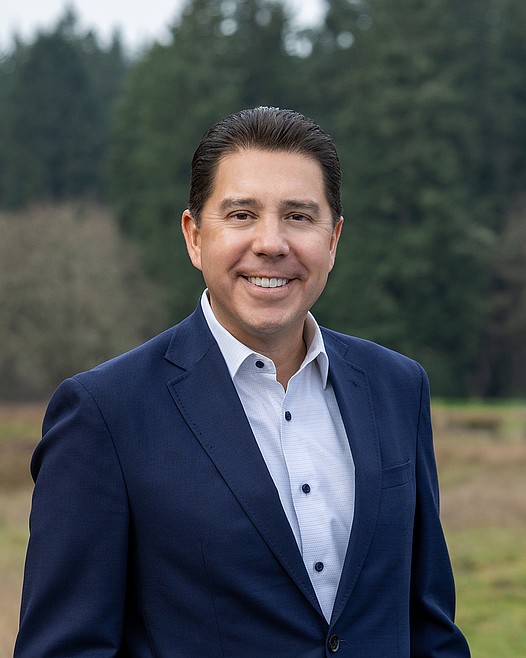
    Department of Ecology Director Casey Sixkiller.