
Tuesday, July 21, 2026
89.0°F

Grassroots organizations fill the gaps in wildfire mitigation
| July 9, 2026 12:00 AM

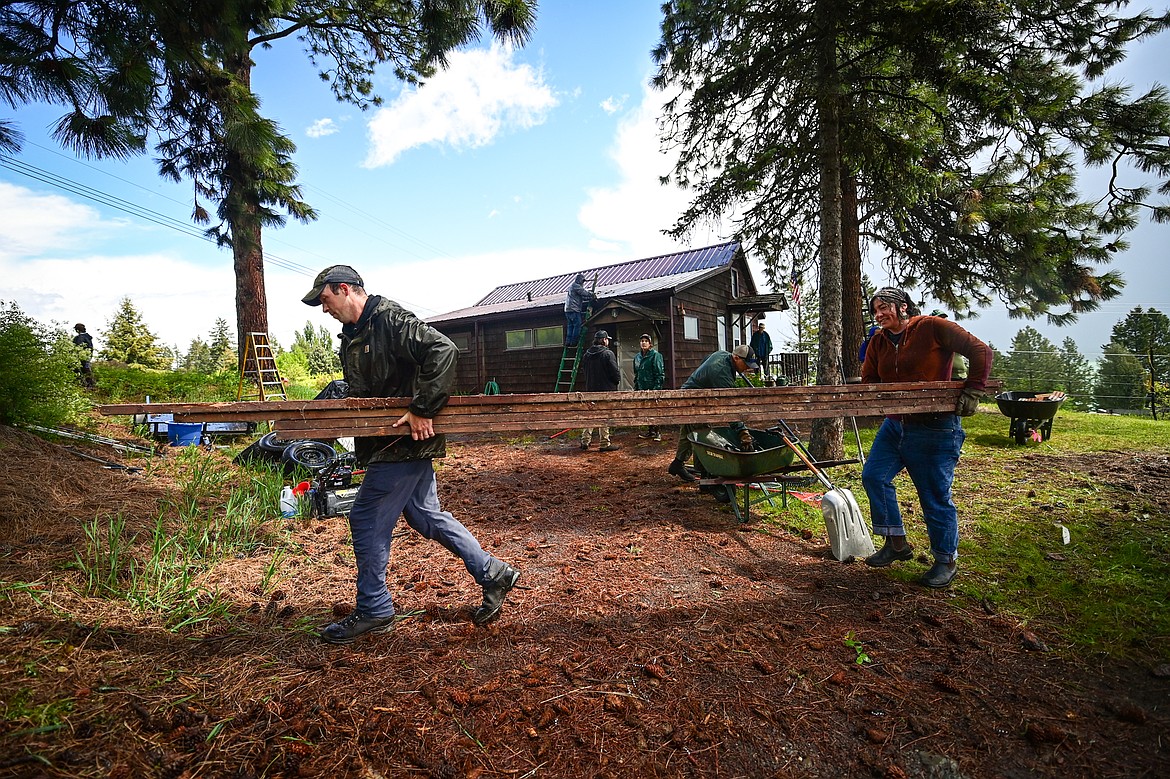
On a blustery day in late May in the shadow of the Rocky Mountains, a group of volunteers was hard at work saving a house from wildfire.  

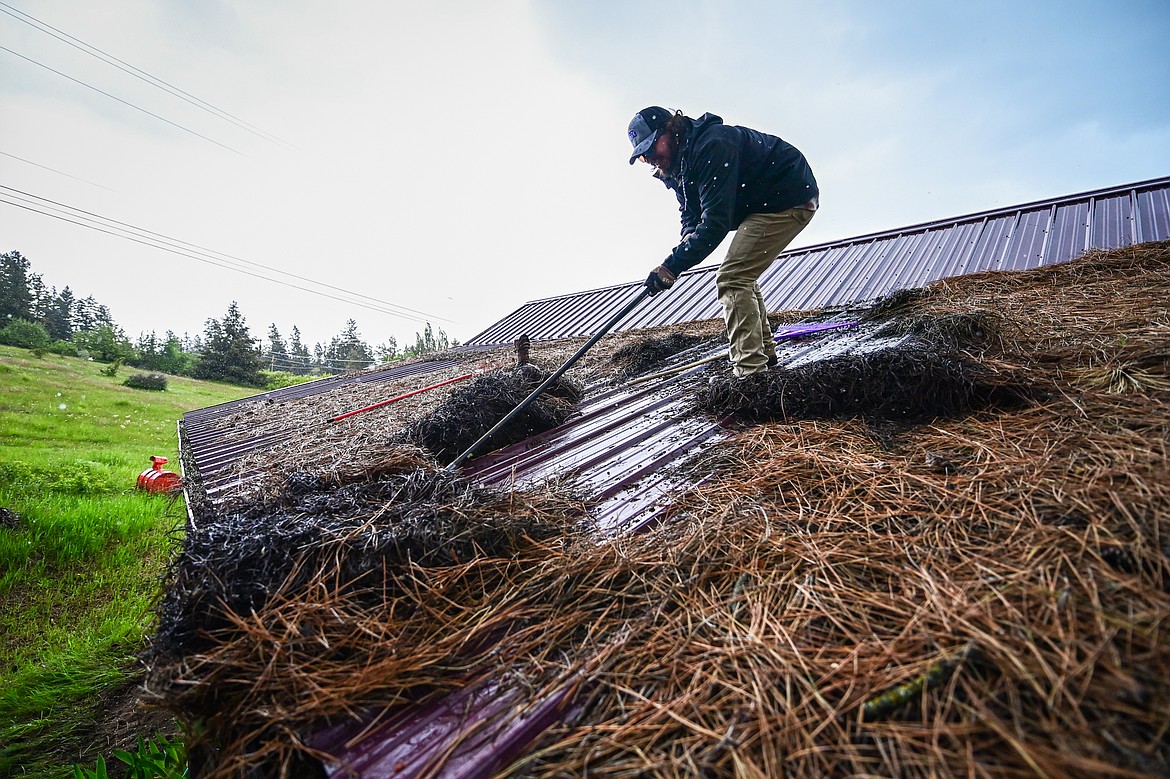
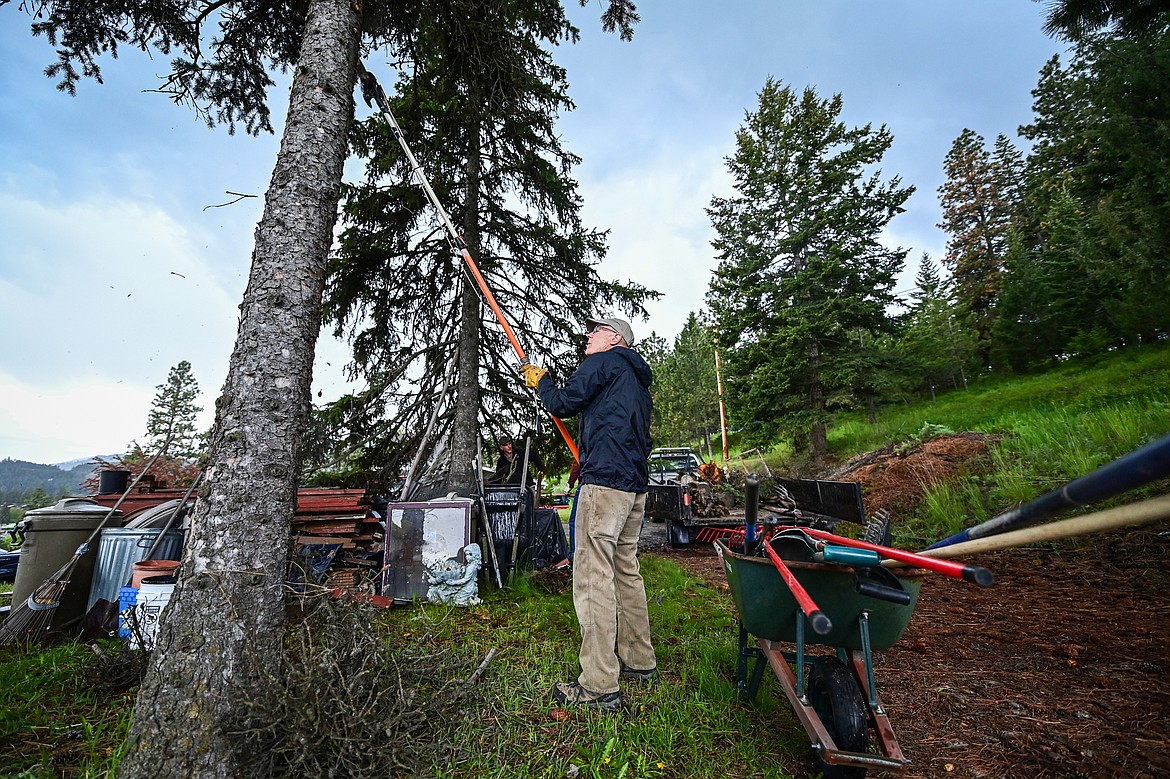
They raked up piles of ponderosa pine needles, sawed low hanging limbs from trees and relocated old lumber. On that particular day, in the pouring rain and intermittent hail, fire season felt more like a hazy, distant memory, but these seemingly small actions could mean a difference between survival or destruction for the small house in Lakeside, Montana, as the heat of summer brings with it the threat of wildfires.  

The elderly couple who live in the house have called the small town on the shores of Flathead Lake home for more than 30 years. Now in their 90s, they’re no longer able to keep up with the necessary fire-prevention work around their property. The volunteer workday was coordinated by FireSafe Flathead, an organization whose mission is to help the residents of Northwest Montana’s Flathead Valley live safely alongside wildfire.  

Founded 10 years ago, FireSafe Flathead brings together a coalition of experts and community members who are passionate about helping the community prepare for wildfire season. As an agency-supported community group, many of the members are affiliated with state and federal agencies like the Montana Department of Natural Resources and Conservation or the Forest Service, but the group is open to anyone who is interested, and scientists, homeowners’ associations and advocacy groups are among those involved. 

“Florida has hurricanes, Oklahoma has tornadoes and we have wildfire,” said FireSafe Flathead Co-Chair Kellie Kulseth. “In the same way people have building standards for hurricanes, or you have plans for when a tornado hit, we’re trying to educate the public and to help support efforts across the Flathead Valley to better prepare people for wildfire season.” 

FireSafe Flathead is just one of many grassroots, volunteer-led organizations working in the West to educate communities and reduce the risks from wildfires in mountain towns. As budget cuts and staffing shortages have impacted the work of the Forest Service, the agency responsible for managing federal public lands like the nearby Flathead National Forest, organizations like FireSafe Flathead are stepping up to fill in the gaps and equip communities to take control of their own fire mitigation efforts.  

“Wildfire isn't going anywhere,” said Kulseth. “We all love living in the forest. We moved here for a reason, but there's a responsibility on both ends to do it as safely as we can.” 

To that end, FireSafe Flathead focuses heavily on education, with the belief that informed and prepared citizens are best equipped to respond to the unique challenges of living in the mountains. Like so many other small towns throughout the Mountain West, Lakeside is experiencing unprecedented population growth, with transplants from large cities who might not understand the threats posed by wildfire.  

As Kulseth explained, “People don’t think of homes as fuel. Actually, when they do burn, they put up a lot of heat and a lot of embers which then can spread.” 

In fact, many homeowners are completely unaware that, with decorative landscaping and cedar plank siding, they have effectively turned their homes into tinderboxes just waiting for a spark. 

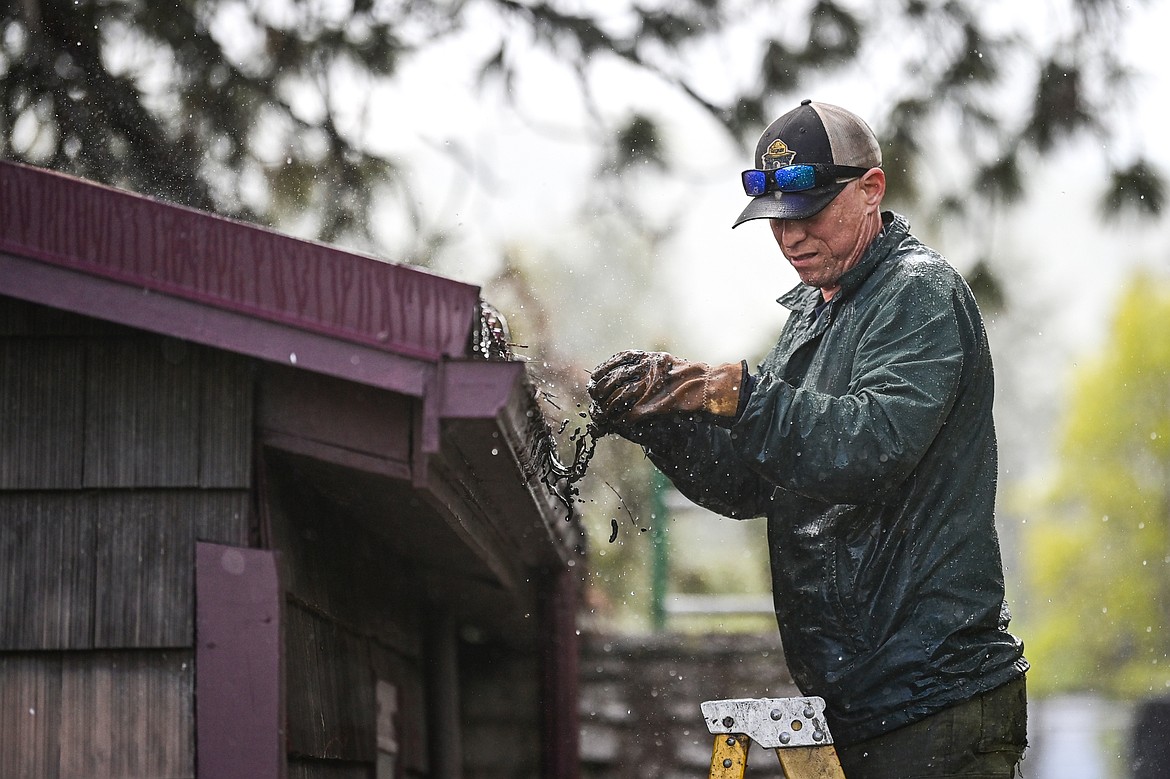
“70% of homes that are lost to wildfire aren't lost to the flaming front, they're lost to embers,” said Kulseth. "When we look at a home, we talk about what's called Zone Zero, which is the first 3 to 5 feet of a home. We look at things like if an ember were to fall, if you think of like sparks coming off a campfire, and it lands in a gutter full of ponderosa needles, can it then can get up into an attic space where a lot of material is flammable?” 

FireSafe Flathead’s volunteers spent just a few hours preparing the elderly couple’s home for wildfire season, showing that protecting a home from wildfire doesn’t require an extensive remodel, just thoughtful changes.  

Landscaping goes a long way: Kulseth recommends pavers or gravel instead of wood chips for flower beds in close proximity to homes. For plants, prioritize varieties with a high moisture content that lack volatile oils. The ubiquitous juniper tree is a perennial offender constantly bemoaned by the FireSafe Flathead volunteers who know how easily the evergreen goes up in flames.  

In the spring, before the wildfire season hits full force, yard clean-up goes a long way. Pine needles accumulating in yards and gutters are a common fuel source, and taking the time to move scrap wood from underneath decks is an important step. 

“It's so empowering for homeowners to understand that they can prep their own home to survive a wildfire,” said Kulseth. “If we can help them better prep their home to be wildfire ready, they have a higher potential of their home being there when they return in the event that a wildfire comes through an area. So that's essentially what we're trying to do here.” 

    A volunteer with Fire Safe Flathead clean up a property in Lakeside to reduce wildfire risk on Wednesday, May 20. (Casey Kreider/Daily Inter Lake)
 Casey Kreider 
 
 
    A volunteer with Fire Safe Flathead trims a tree at property in Lakeside to reduce wildfire risk on Wednesday, May 20. (Casey Kreider/Daily Inter Lake)
 Casey Kreider 
 
 
    Volunteers with Fire Safe Flathead clean up a property in Lakeside to reduce wildfire risk on Wednesday, May 20. (Casey Kreider/Daily Inter Lake)
 Casey Kreider