

Another pilot project for Othello ASR facility to start in July
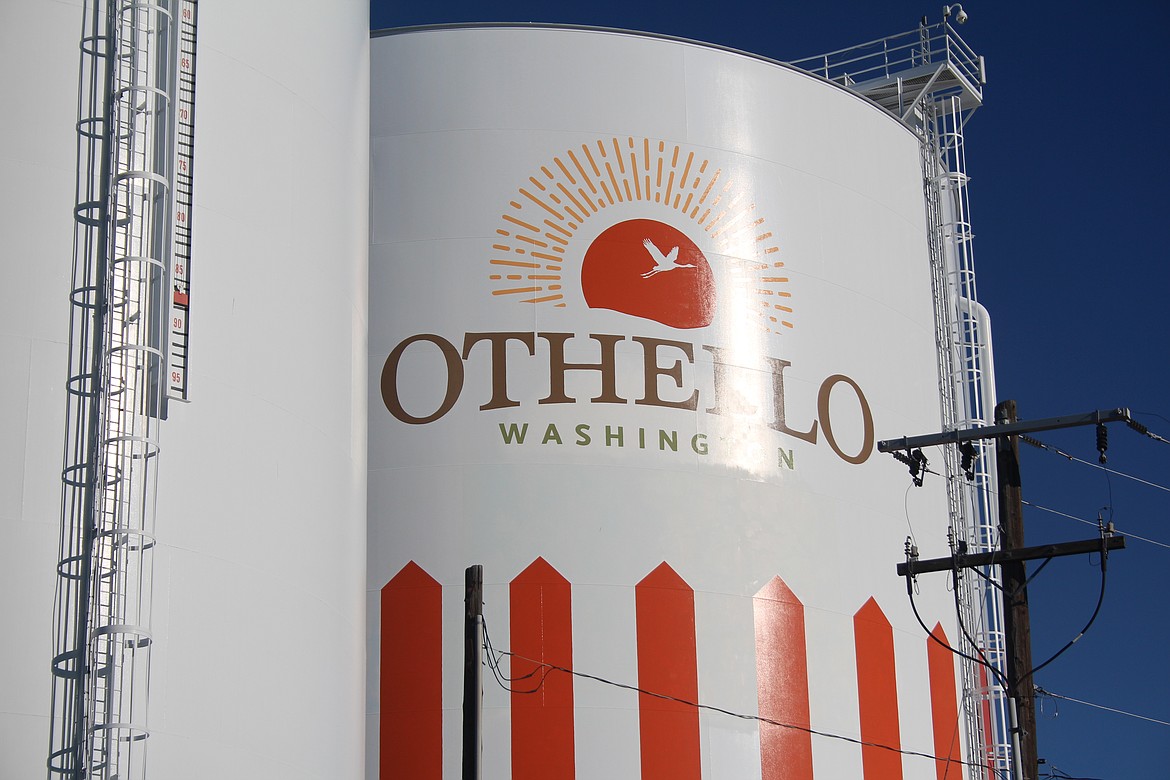
While it’s getting closer, one more pilot project will be required before Othello city officials can start design on a facility that will treat irrigation water to drinkable standards.
FILE PHOTO
OTHELLO — The next phase in a long-running project to use canal water to supplement Othello’s water system should begin in late July or early August. The test of an alternate water treatment system will be completed in spring 2027.
“We just signed the contract for (the test),” said Othello Mayor Ken Johnson.
Othello City Council members approved the proposal for the next phase June 22. Johnson said it will be conducted at the existing test site at the intersection of Lee Road and North 14th Avenue. Like previous tests, water will be pumped from a nearby irrigation canal to the site; this time city officials are looking at a different – and cheaper – method for part of the treatment process.
The “aquifer storage and recovery” project has been underway for more than a decade. Othello gets its water from wells drilled into basalt layers deep underground, an aquifer that supplies cities and farms throughout the Columbia Basin. All the demand has depleted the aquifer over time.
Othello city officials have been looking for another source that will take pressure off the aquifer. Irrigation water can be pumped out in the spring and fall, while the canal is in use, but demand from farmers is lower.
Estimated project cost is about $300,000. Othello Director of Finance Specner Williams said the project is being paid through a Washington Department of Commerce grant.
“This is paid 100 percent with a (WDOC) grant,” he said. “There is no match portion.”
In answer to a question from council member Marc Spohr, Adolphsen said the city can’t proceed with the project until the test is completed.
“We can’t move forward without it,” said council member Alma Carmona.
Othello Public Works Director Robin Adolphsen said the test will filter canal water through sand and gravel to remove particulates, a process called slow sand filtration.
“The original pilot study we did in 2021 was for a membrane facility,” Adolphsen said. “After the purchase of the property up by Lee Road, we now have the space to do slow sand filtration. In order to do that, the (Washington) Department of Health has requested that we do another pilot study.”
Most of the equipment from previous studies is still onsite and usable, she said.
“We should be able to start that pilot study by the end of July, run it through the end of October and then next spring we can start it up,” Adolphsen said.
Since similar facilities run year-round, she said, DOH officials are interested in what will happen if the facility is not in use for part of the year.
Johnson said he hopes to start engineering and design of a working ASR facility in 2027. In an earlier interview he estimated the design process would take about a year.
The city requested and received a federal allocation of about $1.1 million with the help of Congressman Dan Newhouse, Johnson said. Sarah Montemayor, the city’s grant administrator, said in an earlier interview that $515,000 was allocated for the project in the 2026 state supplemental capital budget.
Johnson said the plan is to start with one ASR facility and expand to three over time.