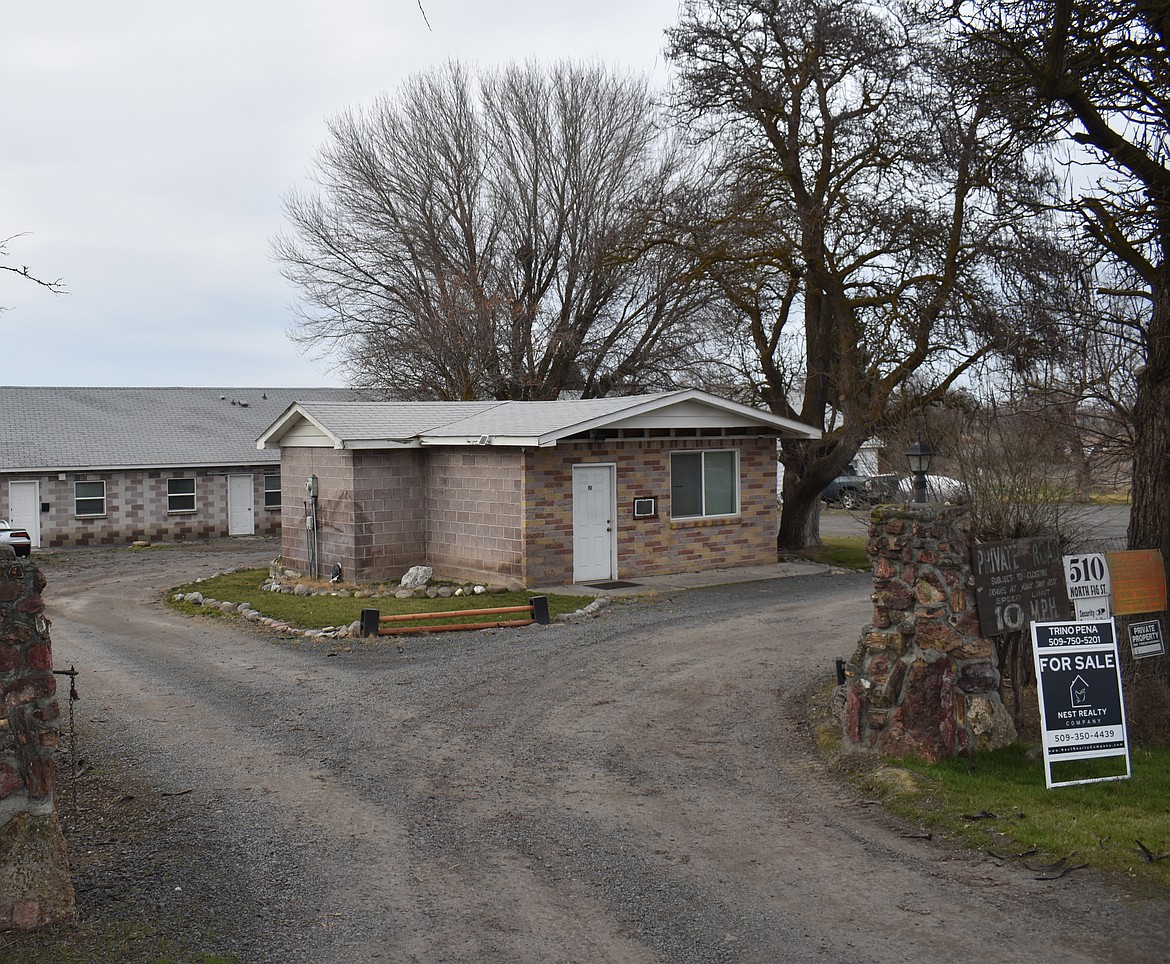
Multi-family properties sell a little differently from single-family homes
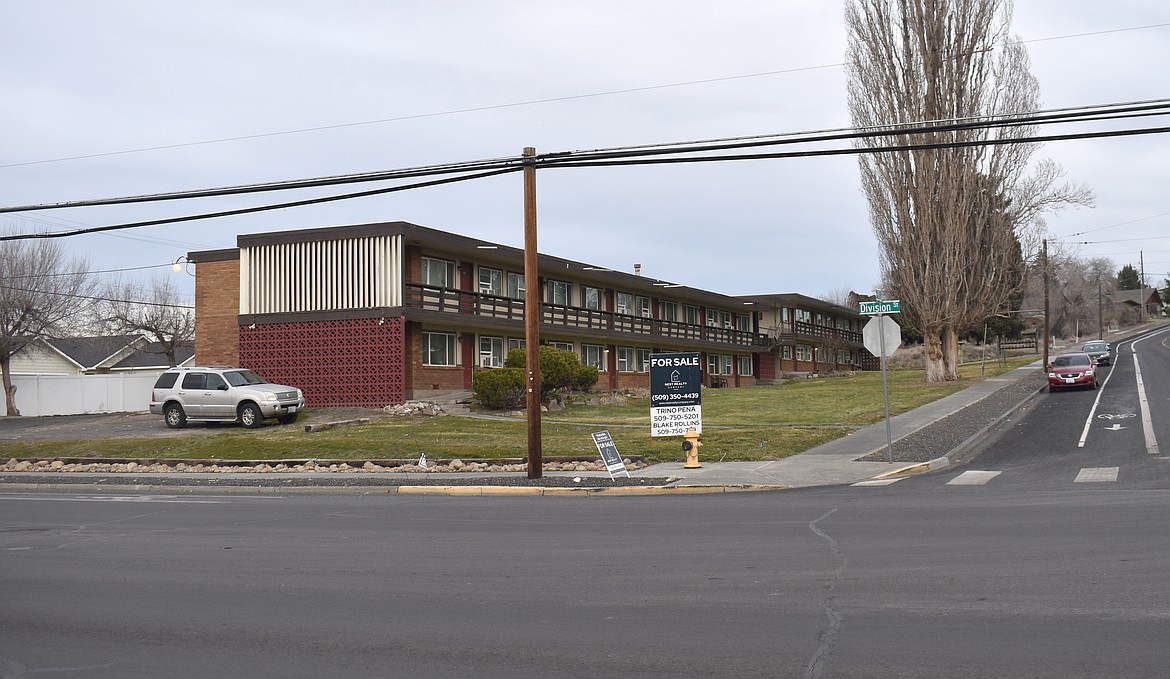
MOSES LAKE — Buying and selling one home is complicated enough. But when the property comprises five, 10 or 20 homes, that’s a little different
“It takes the right buyer and the right timing,” said Blake Rollins, owner of Nest Realty, who had several multi-family properties listed at Realtor.com on Wednesday.
Apartment buildings are a little different because most of them are purchased as an investment, said Tami Canfield-McNamara, an agent at Coldwell Banker Tomlinson Ranch & Home.
“You’re dealing with investors who are wanting to see more financial information and what their income would look like,” Canfield-McNamara said. “The owner has to be willing to show all the financials and what they’re getting for rent and make sure it justifies the price that they’re asking for the property.”
That means the buyer has different priorities and a different perspective from someone buying a home for their family, she said.
“They’re way more interested in the money they’re going to make on it, and the homeowner is looking at how low their payment is going to be,” she said.
That return, called the cap rate, is calculated by figuring out the net income and dividing it by the purchase price, Rollins said.
“If investors can see a 7%-10% cap rate, they’ll usually buy it,” he said.
One of the properties Rollins has on the market now is a single building of 20 two-bedroom units in Moses Lake. The cap rate on that one is about 8%, he said.
“(The owners) are updating their rents,” Rollins said. “You want to have good rents when you’re selling the property.”
That building was listed for $2.8 million on Wednesday. Because of the larger sums of money involved, apartment buildings take a little longer on the market.
“We’ve had a few offers; we’re just waiting to get the right one,” he said. “(The seller) isn’t willing to discount it too much. Because the value is there; it’s going to grow. It’s hard to find two-bedroom apartments in town.”
Rollins also has another, smaller building listed, a nine-unit building on the lakefront just a little way from downtown. That building would make a good assisted-living facility if the new owner wanted to choose that route, he said.
When you buy an apartment building, you also inherit the tenants. That’s not as much of a minefield as it sounds, Rollins said.
“Everything in Washington is subject to landlord-tenant law,” he said. “Any lease that’s in place prior to ownership transfer is in place until after the lease is up, and then you can renegotiate terms.”
“It complicates the amount of time that you’ve got to give notice for (tenants),” Canfield-McNamara said. “You’ve got to give them a couple of days’ notice before it is shown, and the owner must give ample notice before it goes on the market and let them know that it will be happening. So you have to coordinate.”
The multi-family property Canfield-McNamara has listed in Ephrata is her own, she said; she and her husband build them to sell to investors.
“If it doesn’t sell, then we will just rent it out,” she said. “But we’re in the business of building them and selling them.”
A smaller building like the five-unit property she and her husband are finishing up on would be a great way for an investor to get started in the rental market, she said.
Not everyone who buys a multi-family property is just investing, Rollins said. A savvy buyer can purchase a smaller property, live in one unit and rent the others. With a building of four or fewer units, that allows them to take advantage of down payment breaks.
"They can have three and a half percent down on FHA financing, whereas if you’re an investor, you’ve got to put 20%-30% down,” he said. “On a million bucks, that’s a lot of money. You can save 16.5% on your down payment, which is a lot. So it’s super smart to ... start with duplexes and live on one side before you start a family.”
As with any home purchase, Rollins said, it’s important to do due diligence, just as with a single-family home.
“It’s the same thing, just on a greater scale,” he said. “I’ve had people buy big commercial properties for a million bucks and not even inspect it, and then I’ll have a first-time home buyer inspect one property three times. It’s always good to have inspections and proper testing done, not to deal with (problems) afterward.”