
Thursday, January 08, 2026
39.0°F

Grant County Health District mandates overdose reporting
by NANCE BESTON
Staff Writer | January 7, 2026 5:35 PM

MOSES LAKE — In a move to enhance community health and safety, the Grant County Health District has implemented a policy requiring healthcare providers to report all opioid overdoses starting in Jan. 2026. This change, which centers on real-time data collection, comes as a response to the growing opioid crisis affecting the region, marked by rising overdose deaths and emergency medical service responses.

The decision to classify overdoses as a reportable condition received unanimous support from the Grant County Board of Health, which approved it through Ordinance 2025-04. The GCHD has noted that while certain diseases are already mandated to be reported to local health authorities, overdoses have not been subject to similar requirements at the state level. The new reporting protocol is hoped to bridge the data gap.

Dr. Alexander Brzezny, the Grant County Health Officer, said this matter was urgent.

“As overdose deaths continue to rise in Grant County, it is timely that we make overdose a reportable condition,” Brzezny said. “This change will provide us with critical information on how to respond to overdoses and identify where they occur most.”

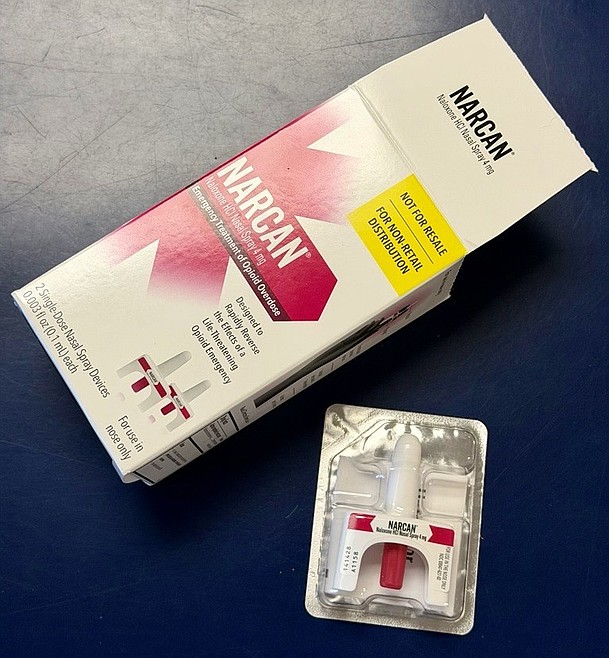
According to the GCHD, the new reporting requirement mandates that health care providers and first responders submit information on opioid overdoses within 48 hours. Reports will include details such as the overdose location, the suspected drug involved, and whether naloxone, an opioid overdose reversal medication, was administered.

“It’s been a conversation that’s been on our radar for a while and based on data showing us that overdose deaths continue to rise in the United States and in our community, it felt really timely to make this change,” GCHD Public Information Officer Lexi Smith said.

She went on to note that the GCHD now has staffing and capacity to provide follow-up care to individuals who have survived an overdose, aiming to connect them with vital resources and support.

In the past, the absence of real-time data limited the ability of local health authorities to respond swiftly to overdose crises, Smith said. Statewide dashboards available for tracking such incidents traditionally featured long reporting delays, giving only a retrospective view of overdose trends.

“These sources let us see drug and overdose trends over the years, but they don’t provide the real-time information we need to act quickly,” Smith said.

With the implementation of this new reporting structure, GCHD anticipates being better equipped to address the ongoing opioid epidemic.

The statistics speak for themselves: in Grant County, overdose deaths rose dramatically from 10 in 2020 to 26 in 2024, alongside 176 emergency medical service responses related to suspected opioid overdoses in that same year. Statewide, over 3,121 Washington residents died from drug overdoses in 2024, with 79% attributed to opioids.

This data-driven solution aims not only to track the prevalence of overdoses but also to enact timely prevention, intervention and treatment strategies, Smith said. The health district plans to promptly report any significant spikes in overdose incidents to the public and community partners, allowing for quick mobilization of resources to affected areas.

Additionally, the data collected will play a crucial role in informing localized public health strategies. Smith stated that understanding overdose patterns can lead to evidence-based interventions tailored to specific communities, should it emerge as a hotspot for opioid overdoses.

“By knowing the where and the why of overdoses, it can help inform public health and community partners to create better intervention and prevention strategies in specific areas that need them,” she said.

While immediate plans do not include a public-facing dashboard solely for localized overdose data, Smith said GCHD is planning to share the information in the future.

“Because of small numbers and the potential for identifiable information, we need to accumulate sufficient data before it can be released publicly,” Smith said.

The statewide dashboard will remain available to the public and can be accessed at bit.ly/WADOHOverdoses.