Open house Saturday at new Samaritan Hospital
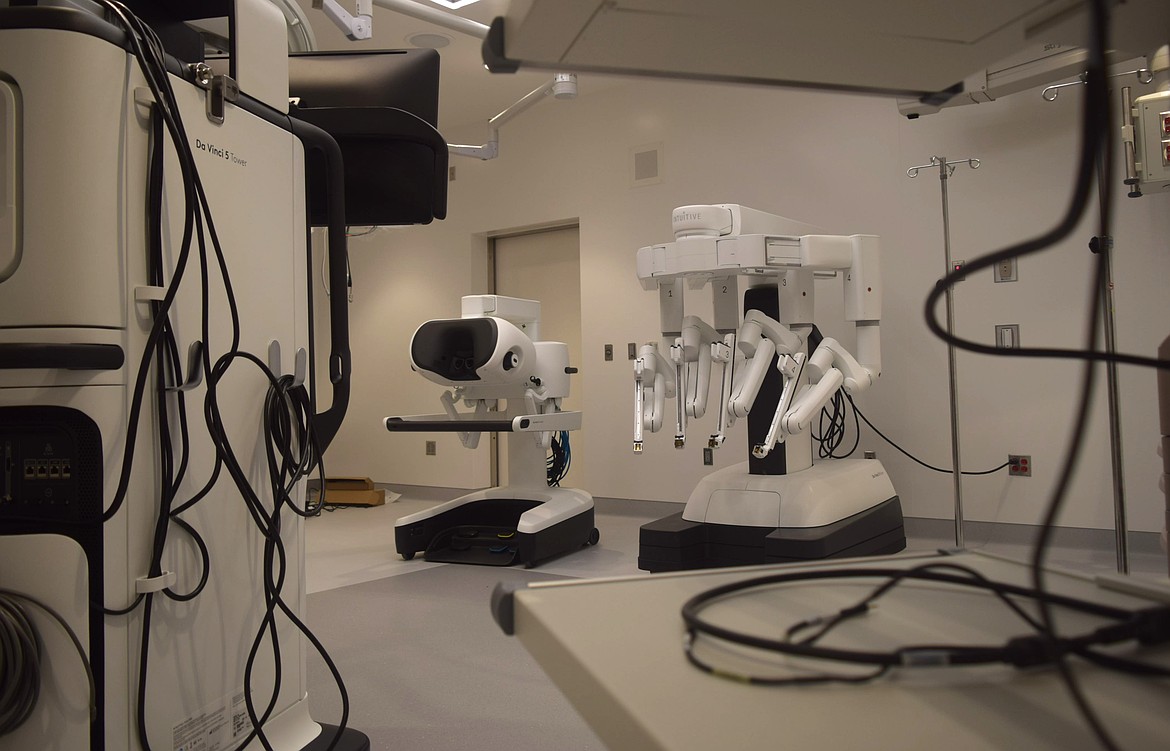
MOSES LAKE — The final doors are being installed in the intensive care unit, one of two surgical robots is in the building, the signs are up – although they’re still covered – on Yonezawa Boulevard. The new Samaritan Hospital opens for patient care March 7.
District residents can get a look at the hospital at an open house from 10 a.m. to 6 p.m. Saturday. People have been invited to register for tours, but walk-ins can join a tour on a first-come, first-served basis.
Tuesday was the dedication ceremony, and as part of that Chief Executive Officer Theresa Sullivan led a champagne toast to the new hospital, the hospital district’s history, district patrons who approved a construction bond and the people and organizations that helped build the new building.
“Welcome to a new day in healthcare,” Sullivan said.
Gretchen Youngren, executive director of development and communications, said during a tour Thursday that a lot of thought and experimentation went into the design.
“When we were designing the process, there was one building workshop where we had to take strings and follow a patient flow – follow how does the equipment move? How does this all work? And it was maddening, but it taught us so much,” Youngren said.
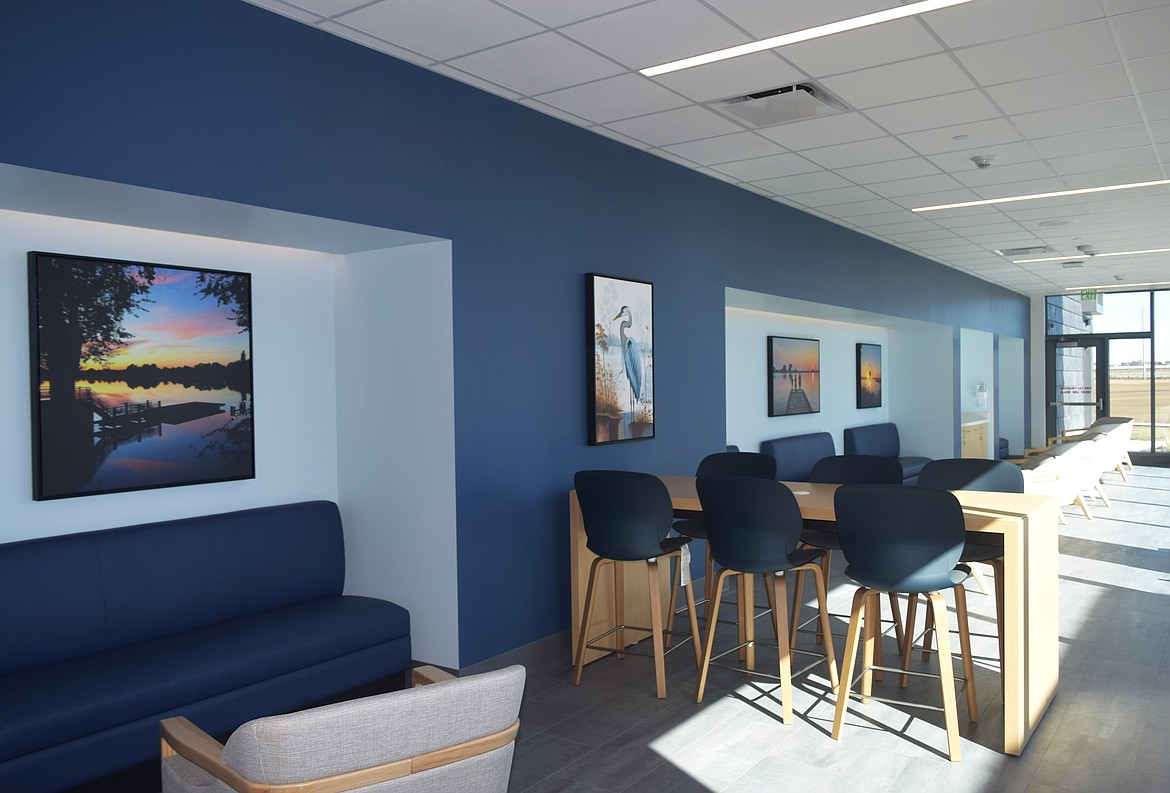
For patients, their families and friends, a hospital stay can be pretty stressful. Sullivan said during the tour that one of the biggest goals was to reduce stress wherever possible. Patient and family privacy are part of that.
“The hospital was built with a front of house, back of house approach to it,” Sullivan said.
Among other things, that means different elevators for visitors and patients.
“From a privacy perspective, for patients who are inpatient or might be on a gurney, they will not be on this front of house hallway,” Sullivan said. “In our current hospital we have that one elevator. You can have patients on a gurney. You can have the public going up to visit people. You can have so not great privacy that way. Here, you wouldn't see that because they're going to be on the back of house hallway.”
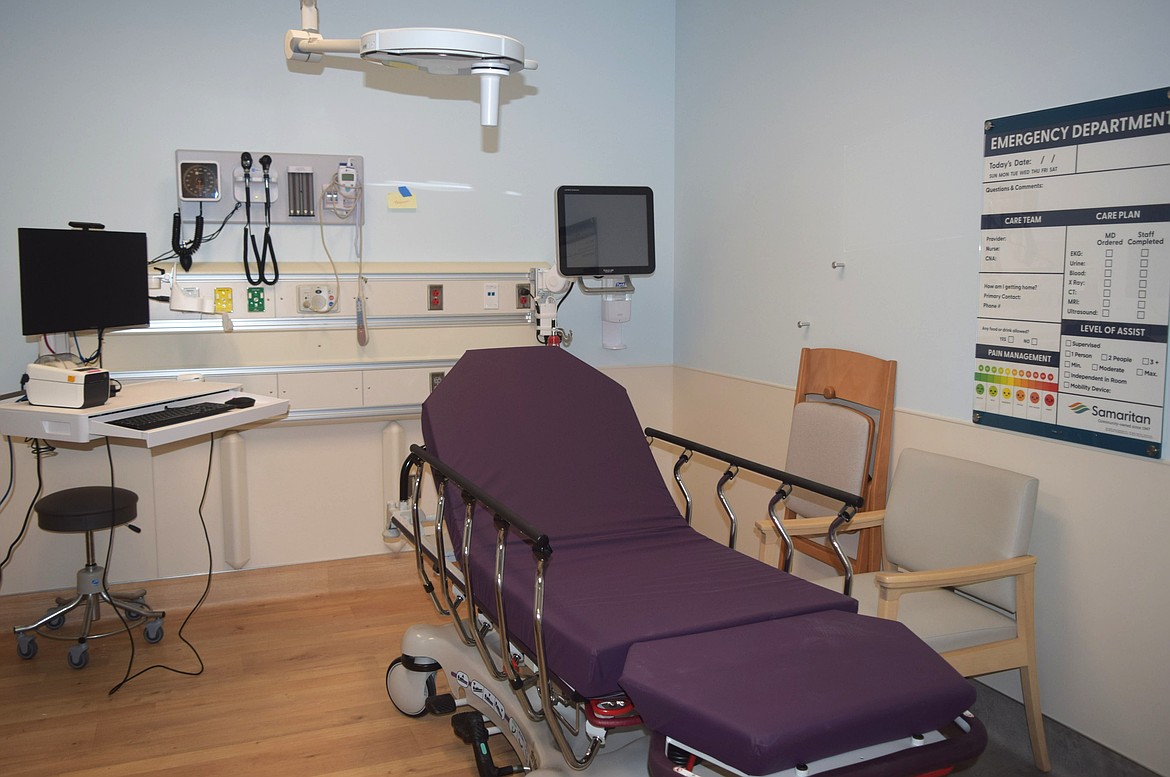
The philosophy also is on display in the emergency room, where walk-in patients enter by one door, while ambulances arrive at another. The existing hospital on Wheeler Road has one entrance for all patients.
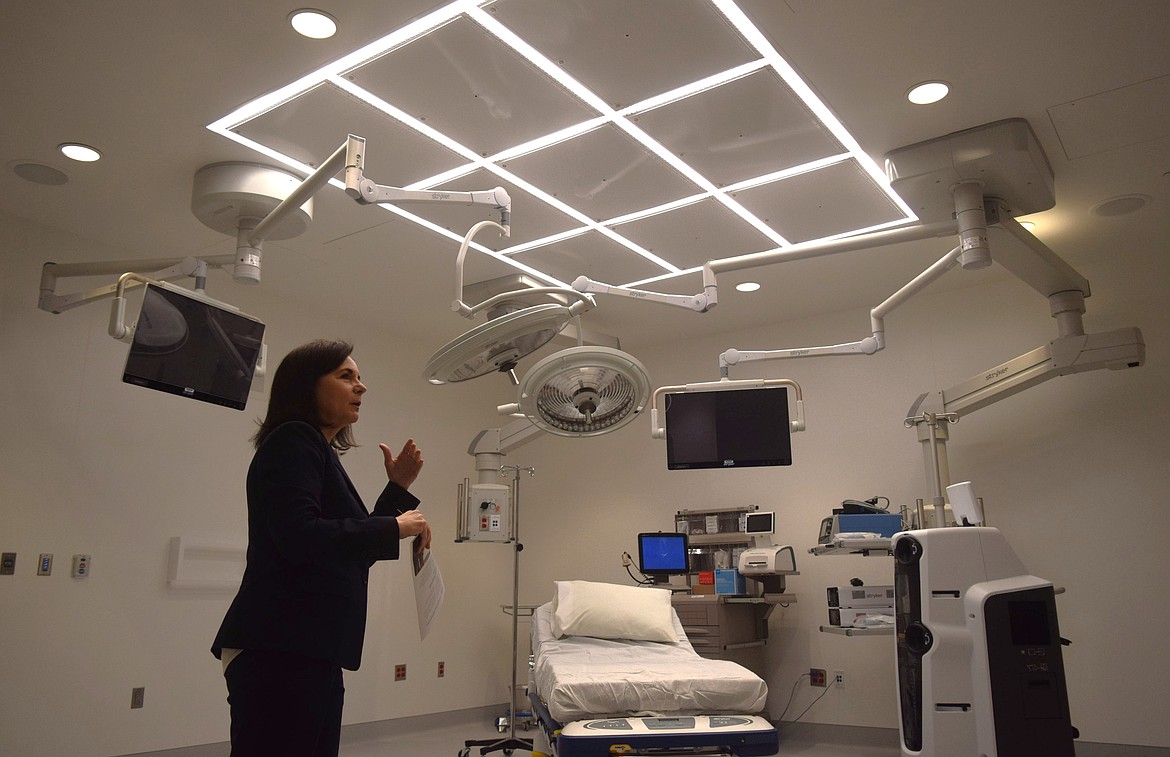
Almost everything in the new hospital is bigger, from the operating suites to the emergency room. Bigger surgical suites make it easier to use new technology, like the robots, which registered nurse Jodee Garrett said make surgery easier for all concerned.
“It’s just a lot more precise and a lot more gentle,” she said. “Patients are having a lot quicker recovery and not as much downtime.”
The five surgical suites at the new Samaritan are 600 square feet each; the biggest one at the existing hospital is 450 square feet. Sullivan said there is the potential for a sixth surgery room.
“We completed the construction of six. Originally it was just going to be storage, kind of shell space, but we were able to complete the or we just are not purchasing all the equipment immediately for that sixth (suite),” Sullivan said.
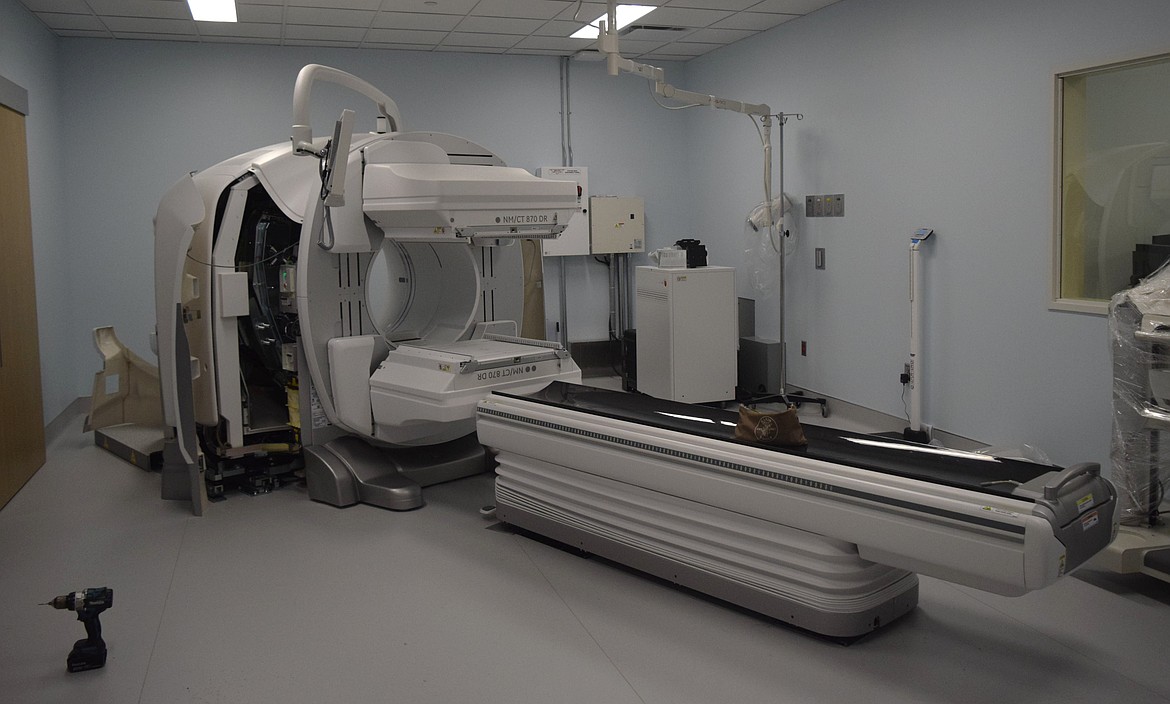
The emergency room and services that are also available to outpatients, like the lab and rehabilitation services, are on the ground floor. Sullivan said the rooms set aside for patients that need infusion therapy are an upgrade from the existing hospital.
“When I first started (working at Samaritan), infusion was in what we used to call short stay, which is the pre- and post-operative rooms. During covid, we had to move those because we didn't have room,” Sullivan said. “And it moved, essentially, into a waiting area where we put up some privacy curtains. To have a dedicated infusion space – it's amazing, the difference here.”
The family birth center (the obstetrics department) has been completely redesigned, Sullivan said.
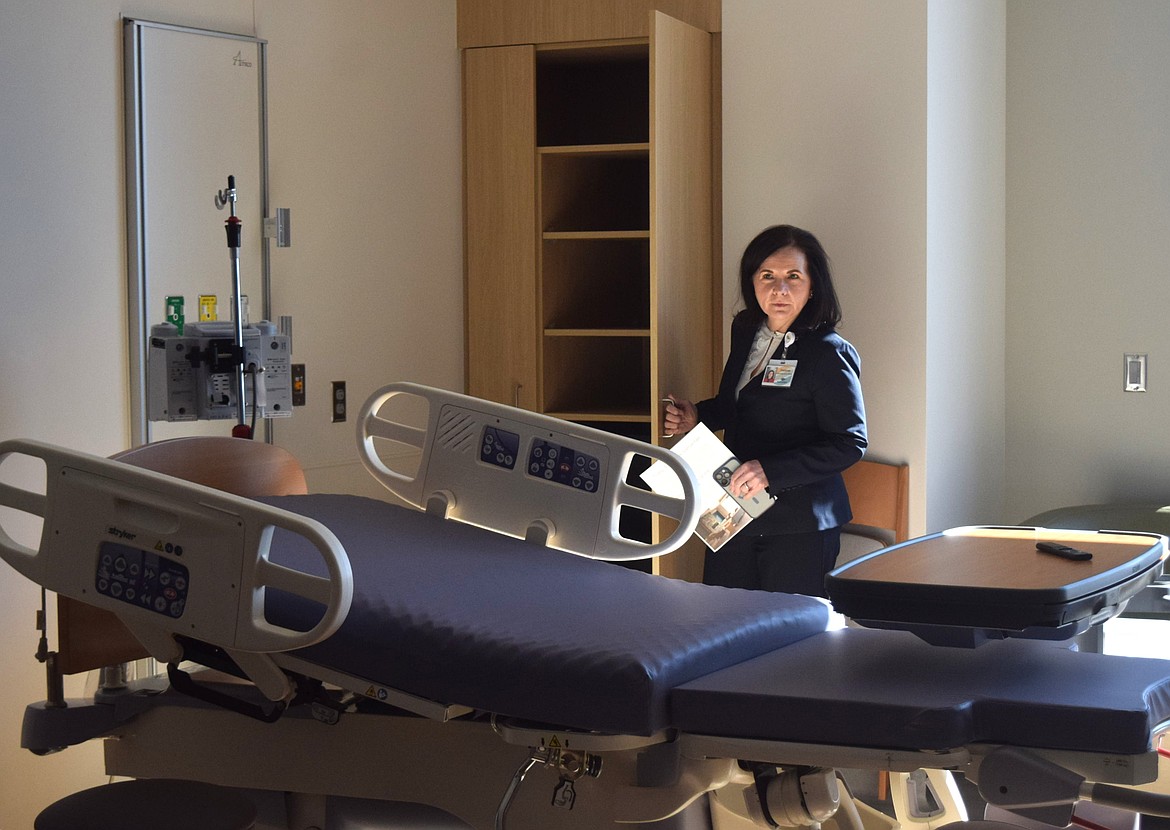
“In the past, moms would labor in one area, deliver in another area, maybe go to another area for postpartum (care). Here, we will have LDRP, or labor, delivery, recovery, postpartum rooms. A mom goes to one room, spends the entire time there,” she said.
Patients who have to stay overnight go to the third floor. All patient rooms (including OB) are bigger, have closets for personal belongings and their own bathrooms, big windows and pull-out couches so family members can stay overnight.
The administrative offices also are located on the third floor; they can be converted to patient rooms in the future, Sullivan said.
The new hospital is licensed for 50 beds, the same as the existing hospital. Sullivan said the hospital would’ve had to apply to the state to expand, but the bigger reason is that hospital usage is changing.
“In a hospital, beds are not the thing that grows quickly. In a hospital, the thing that grows quickly is surgery, lab, imaging (and) the rehabilitation services,” Sullivan said. “Those are the areas that grow quickly. In addition, I would say more things are moving to being outpatient. I tell people that when I started in healthcare 30 years ago, if you had hip or knee replacement surgery, you most likely stayed in the hospital for a week. Most of those (patients) are going home the same day, so the need for inpatient rooms is not as great as the need is for other areas.”
Nance Beston contributed to this report.
Samaritan Hospital Chief Executive Officer Theresa Sullivan explained the family birth rooms have features to make the patients' stays easier and more comfortable, including sinks to complete first baths for babies and mini fridges for patient snacks. They also include space for patients to store items and pull-out beds for guests.