WA Legislature considering ‘Blue Envelope Bill’ to make traffic stops safer for neurodivergent drivers
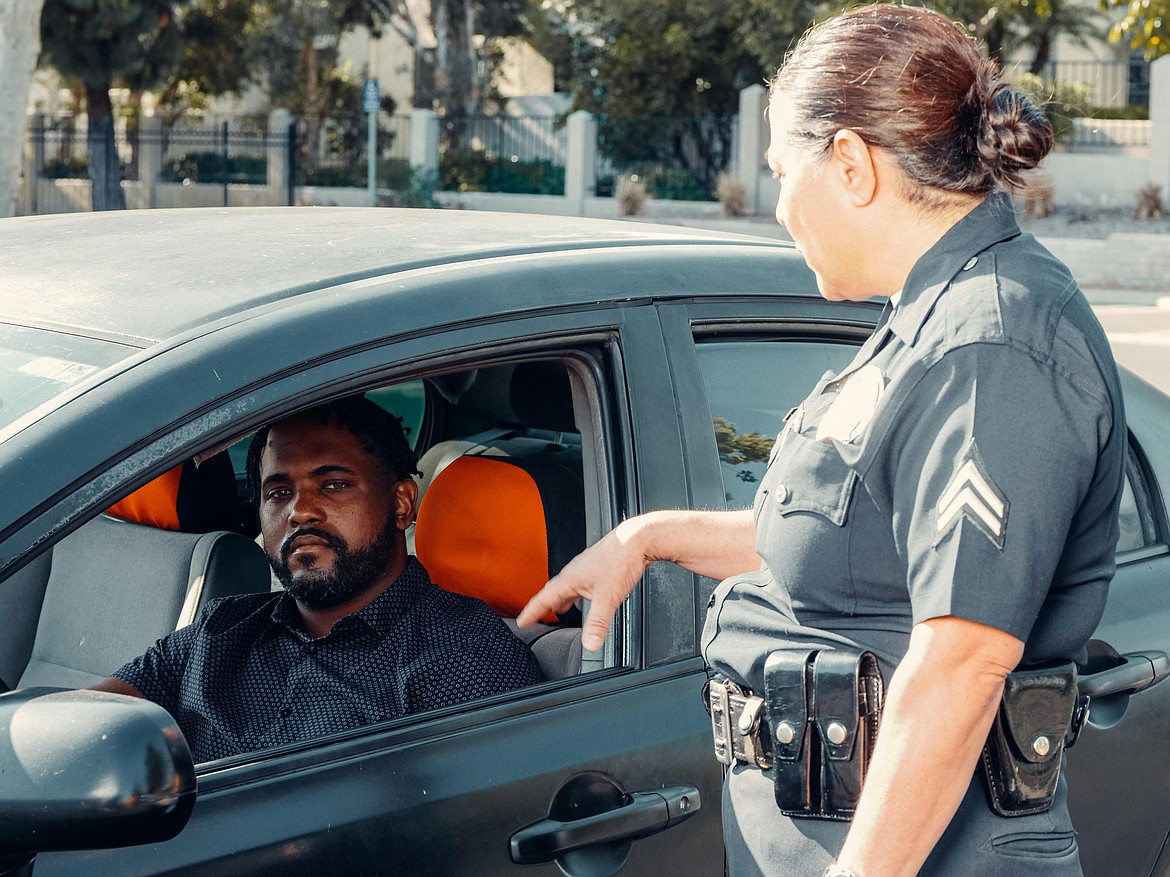
OLYMPIA — A bill in the Washington Legislature has the potential to make encounters between police and people with autism safer.
House Bill 2323, which passed the Washington House of Representatives 92-1 on Feb. 16, would enable drivers with autism or other neurodivergent conditions to keep their paperwork in a special blue envelope, which they could hand to a police officer in the event they are pulled over. The officer would then be alerted that they were dealing with someone who communicates differently from what they expect, according to the bill’s sponsor, Rep. Carolyn Eslick, R-Sultan.
“This is a simple idea that can make a life-saving difference,” Eslick wrote in a statement. “When an officer knows right away that someone may need a little more time or clearer communication, it can prevent misunderstandings, reduce stress and help everyone go home safely.”
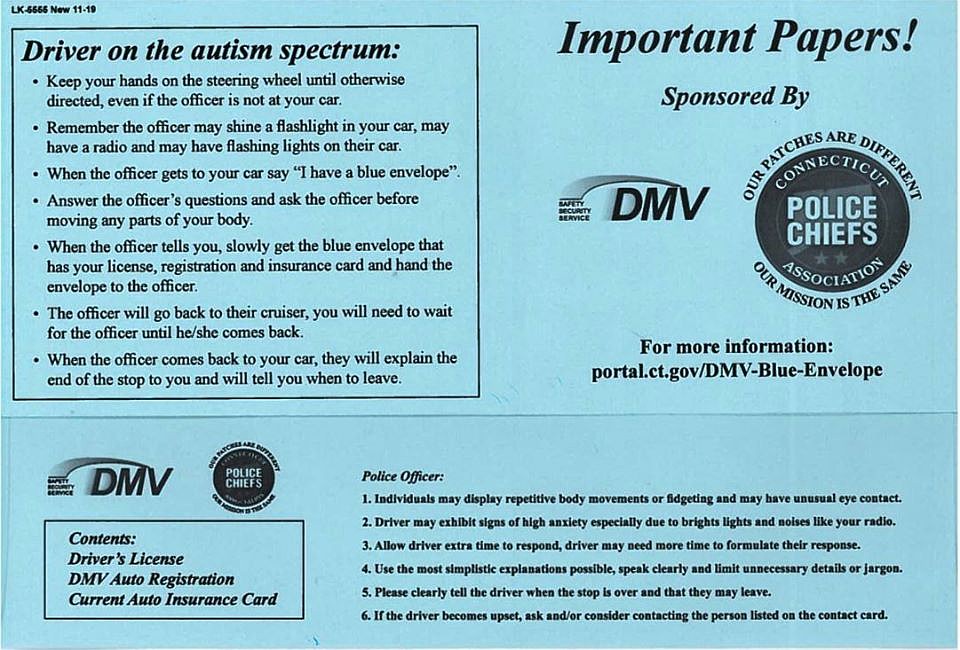
The program is modeled after one created in Connecticut in 2020 and since adopted by several other states. A driver with a neurodivergent condition like autism requests a special blue envelope from the Department of Licensing, in which the person keeps their vehicle registration, insurance papers and other papers a police officer might ask to see. The envelope would be printed with instructions for the officer as to how to communicate effectively with the driver, as well as reminders for the driver as to how to respond when pulled over.
The envelope would be free of charge, and no proof of any particular disability would be required, according to the bill’s text.
Nora Borek, a former Washington resident who now lives in Arizona, testified to the House Transportation Committee about her son’s use of a blue envelope. Arizona adopted the program in 2024.
“In Arizona, the blue envelope is kept in the vehicle,” she said. “It helps the drivers stay organized and helps the officer understand right away that communication may need to be calm, clear, and direct … I truly believe a tool like this can prevent misunderstandings and reduce stress.
Borek’s son Nick Borek also testified, holding up his envelope for the committee.
“I'm a person with autism,” he said. “This is my blue envelope. I keep my registration and insurance information in here. It has my mom and dad's phone number in case I get overwhelmed. If I ever get pulled over, I hand this to the officer right away, so they understand how to communicate with me calmly. It helps me stay organized, so I don't fumble with paperwork. I want to cooperate and do the right thing. This helps the traffic stop stay calmer, safer for me and the officer.”
Ryan Fox of Monroe, who also has autism, said his parents had heard about the blue envelope and made one for him when he got his driver’s license 15 years ago.
“Since then, I've had two traffic stops,” Fox said. “When I handed the officers my envelope, they nodded and were very pleasant, and I felt calm having a visual reminder of what to say.”
A study cited in the Journal of Autism and Developmental Disorders showed that one in five young adults with autism had been stopped and questioned by police, and that almost 5% had been arrested. In stressful situations, a person with autism may freeze up or make panicked gestures, which a police officer might misinterpret as potentially dangerous. Flashing lights, sirens and sharply spoken commands can exacerbate a neurodivergent person’s stress.
“I've been tracking these blue envelope bills for quite some time, and they have been fairly successful in other states, said John Lemus, advocacy director for the disability advocacy organization AtWork. “I think that anything we can do to accommodate people with disabilities when dealing with the police is going to lead to better outcomes for everyone.”
HB 2023 was referred to the state Senate on Feb. 18 and is scheduled for a public hearing Thursday.