
Moses Lake to prioritize services in financial sustainability planning
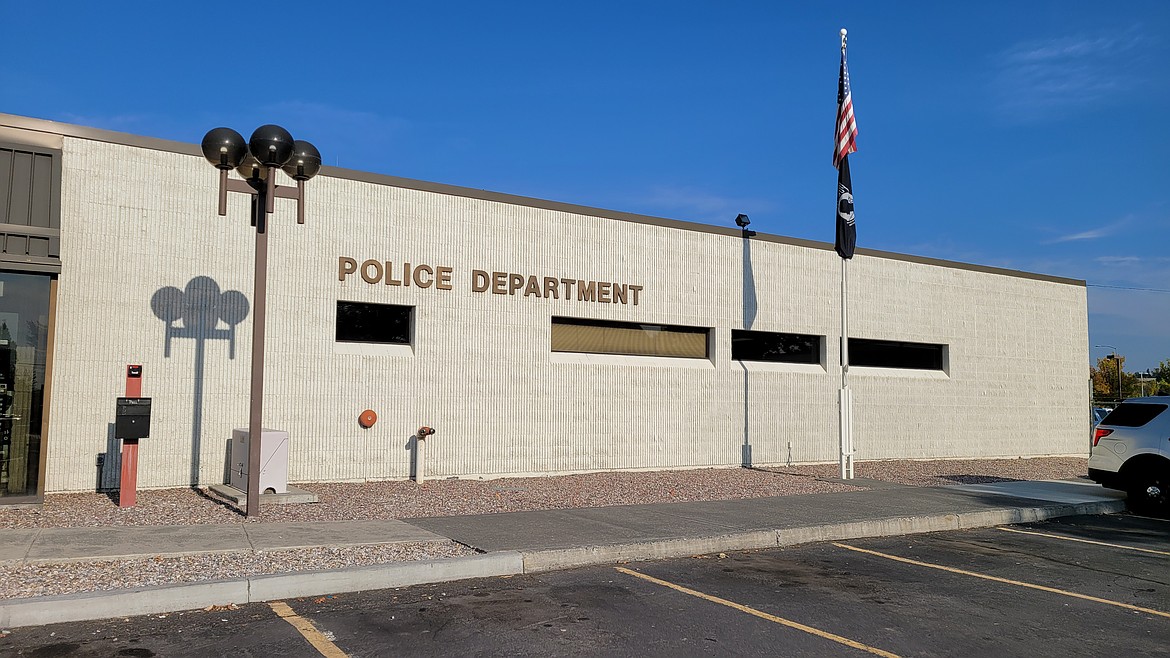
Balancing what’s required of a city, the police department being an example, what city residents want and what the city can afford is the subject of a financial sustainability study currently being conducted by the Moses Lake City Council.
FILE PHOTO

Where parks and recreation programs fit into the city of Moses Lake’s financial picture is one of the subjects of the city’s financial sustainability study.
MOSES LAKE — Moses Lake City Council members – and Moses Lake residents – will be asked to determine where they think the city should spend its money, a process that started with a look at the city’s current financial state at the Feb. 10 council meeting.
Council member Jeremy Davis said that given the city’s finances, it’s something that has to be done.
“I think part of the problem that I've observed in the city is that there's been a lack of long-term foresight, which has put us in a bad position,” Davis said. “I think that trying to get ahead of it and creating a long-term plan with sure footing, so that we all can move forward confidently and not be in situations where we're potentially insolvent like some other cities is a really good thing.”
City manager Rob Karlinsey said the “service level budgeting” process will focus on the city’s general fund, which pays for most city services, and its street fund. Income in both funds changes from year to year, depending on tax and fee revenue. Expenses in the city’s 2025 and 2026 budgets were higher than revenues; the difference came out of the city’s reserves. Jeff Podey, a consultant with Next Level Analytics, said the general fund reserves won’t last long if that continues.
“Revenues are right about in line with expenses for the three years of actuals we have (in the analysis),” Podey said. “But then in 2026, we see the revenues decline a little bit more than $3 million.”
Most of the revenue loss will come from grants that are expiring, and the end of federal funding that cities received during the COVID-19 pandemic. City officials have cut expenses. But the city already had a deficit in the general fund going into this year, he said.
The analysis assumed that staff salaries would continue to grow at about 5% per year, and sales tax revenue would grow about 3% per year. Property tax was projected to grow at about nine-tenths of one percent, Podey said. The deficits are projected to increase if there’s a recession.
A separate analysis included a program to set aside money for repairs to city facilities, and council members said they wanted to consider that, too.
“We have facilities that have to be maintained,” council member Mark Fancher said. “We’ve kicked the can down the road so many times that we’re paying for it.”
Some services, the water and sewer funds being examples, weren’t included in the analysis since they are funded through fees.
Karlinsey asked council members to think about how they would prioritize city expenses based on three levels, what he called core, basic and enhanced.
The core services would be things the city must provide; some are state or federal mandates, Karlinsey said. They include law enforcement and fire services, road maintenance and some administrative functions.
Basic services are the next level, he said.
“They may not be required by state law, and they may not even be needed for life safety, but they’re pretty inherent to what cities do,” he said. “The classic example is parks. Cities have parks. Do we have to have parks? No, but pretty much every city I know of has parks.”
Enhanced services aren’t always provided by the city, but the city can be involved in providing them, Karlinsey said. He cited recreation programs, economic development, and the city’s school resource officer program as examples.
Council members will be asked to decide where the different programs should be prioritized.
“This is all going to be up to you,” he told council members.
The prioritization process shouldn’t be taken as a measure of relative importance, he said.
“This is not about what’s important, what’s not important. All these things that we do are important,” Karlinsey said. “The fact the city is doing it at all tells you it’s an important thing. I don’t want the conversation to be about what’s important and what’s not. It’s really about what we have to do and what’s discretionary.”
 Where parks and recreation programs fit into the city of Moses Lake’s financial picture is one of the subjects of the city’s financial sustainability study.