
Sen. Warnick pushing to restrict the use of SNAP benefits to purchase unhealthy foods ahead of policy committee deadline
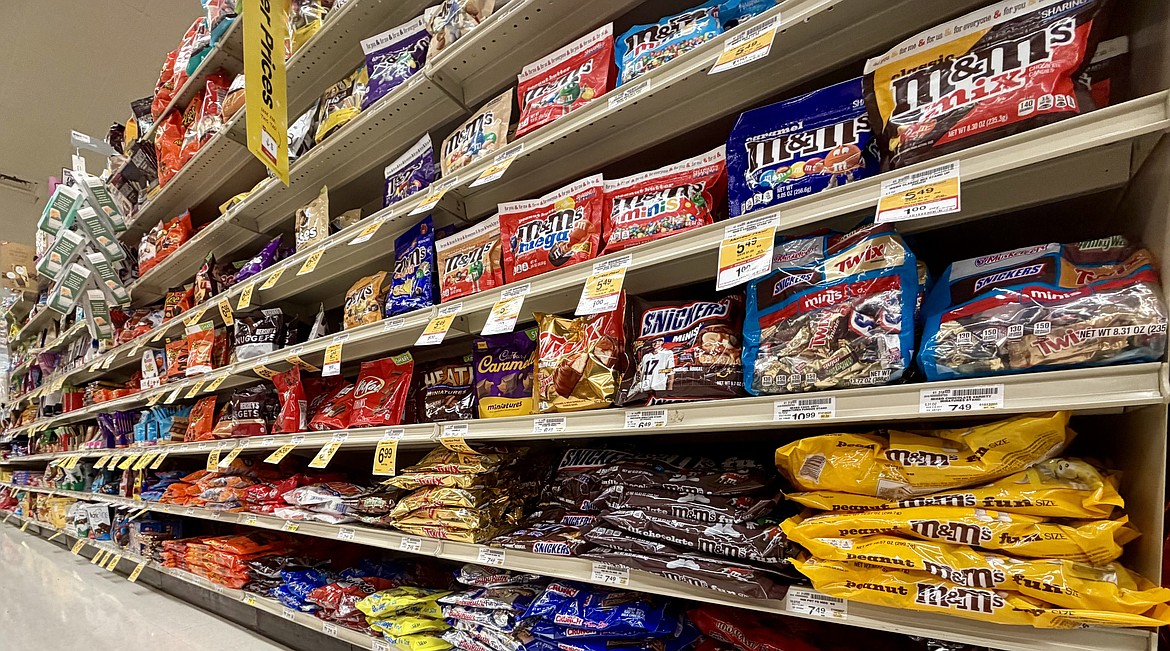
Senate Bill 6186, which would restrict Supplemental Nutrition Assistance Program recipients from being able to purchase unhealthy foods, had its first hearing Monday.
NANCE BESTON/COLUMBIA BASIN HERALD
OLYMPIA — Sen. Judy Warnick, R-Moses Lake, is working to restrict the use of benefits from the Supplemental Nutrition Assistance Program to purchase unhealthy foods.
Senate Bill 6186 was heard Monday by the Senate Human Services Committee. If passed, the bill would require the state’s Department of Social and Health Services to apply for a waiver from the U.S. Department of Agriculture to exclude SNAP recipients from using benefits to purchase candy and sweetened beverages.
“I'm trying to encourage people to eat healthy,” Warnick said in an interview.
The bill defines candy as a preparation of sugar, honey, or other natural or artificial sweetener with the combination of chocolate, fruits, nuts, or other flavorings in the form of bars, drops, or pieces. Sweetened beverages are defined as non-alcoholic beverages that contain natural or artificial sweeteners, except those primarily marketed as sports drinks.
Mary Long, representing the Conservative Ladies of Washington, testified in support of the bill, claiming it will help families prioritize foods that are nutritious and sustain life.
“This measure promotes equity by ensuring public assistance supports real health, not empty calories that do harm long-term to the well-being of our citizens,” Long said in testimony.
Despite more than 300 people signing in support of the bill, the majority of testifiers expressed stern opposition.
Opponents argued that restrictions on purchases would not encourage healthy shopping behavior but limit food accessibility for SNAP participants, including items that are medically necessary for those with certain health conditions such as diabetes, hypoglycemia and other metabolic disorders.
Diane Evans, a single mother of four and current SNAP recipient, said she is anemic and hypoglycemic. In testimony, she said that she is heavily reliant on sweetened beverages to maintain healthy glucose levels after suffering damage to her digestive system that resulted in part of her small intestine and stomach being removed.
“A sugary drink like a chocolate protein shake or a soda can and has saved my life,” Evans said.
Evans went on emphasizing that each person enrolled in SNAP has a different story with a medical history that requires access to diverse food options.
Grocery and public health experts, along with food security advocates, echoed similar sentiments.
According to Molly Pfaffenroth, government affairs director of the Washington Food Industry Association, restrictions would force retailers to reclassify thousands of products across point-of-sale systems in-store, increasing financial and operational burdens, especially for smaller rural retailers.
Barbara Baquero, associate professor at the University of Washington’s School of Public Health, said that restrictions would not encourage healthy eating but instead exacerbate food access barriers, adding confusion and stigma among those reliant on the program.
“Candy and soda are not the issue. Poverty is, stress is,” Anna Nepomuceno, policy director for Northwest Harvest, said. “When families are already fighting to survive, removing small comforts doesn't make them healthier. It makes life harder, smaller, and more restricted.”
In a 2013 study from the U.S Department of Agriculture, researchers found it was inconclusive whether SNAP participation improves or worsens diet quality. They also found that the use of SNAP benefits does not increase the likelihood of being overweight or obese.
The bill’s fiscal note revealed it would initially cost about $781,000 this biennium to implement the restrictions through the Electronic Benefits Transfer system. The state is currently facing another multi-million-dollar shortfall, challenging any legislation that requires extra dollars.
Warnick mentioned that she is currently working on an amendment that would narrow down the restrictions, particularly for those with medical conditions. She also said she is considering focusing the implementation through the Summer EBT program, known as SUN Bucks, that grants children from low-income families annual benefits to help buy groceries during the summer months.
The bill is facing a tight turnaround with its executive session at the Senate Human Services Committee scheduled for Wednesday Feb. 4, the policy cutoff date.