CBTECH, Museum of Flight partner to expand aviation education opportunities
MOSES LAKE — Columbia Basin Technical Skills Center has partnered with Seattle's Museum of Flight to bring the museum's Aeronautical Science Pathway program to the Columbia Basin, expanding educational and career opportunities for students interested in aviation.
The partnership integrates CBTECH's newly rebranded Aviation Pathways program with the Museum of Flight's Aeronautical Science Pathway (ASP), a dual-credit career and technical education program designed to introduce high school students to careers across the aviation industry.
Ryan Shannon, communications director for the Moses Lake School District, said the partnership grew from discussions between CBTECH and the Museum of Flight about expanding aviation education opportunities for local students.
"We're always looking to partner with great organizations that offer great educational opportunities and align with our programs," Shannon said. "The partnership kind of grew out of just an initial conversation into something more."
The one- to two-year Aviation Pathways program is open for enrollment and available to students from the 12 school districts served by CBTECH, including Moses Lake, Quincy, Ephrata, Othello and Royal City.
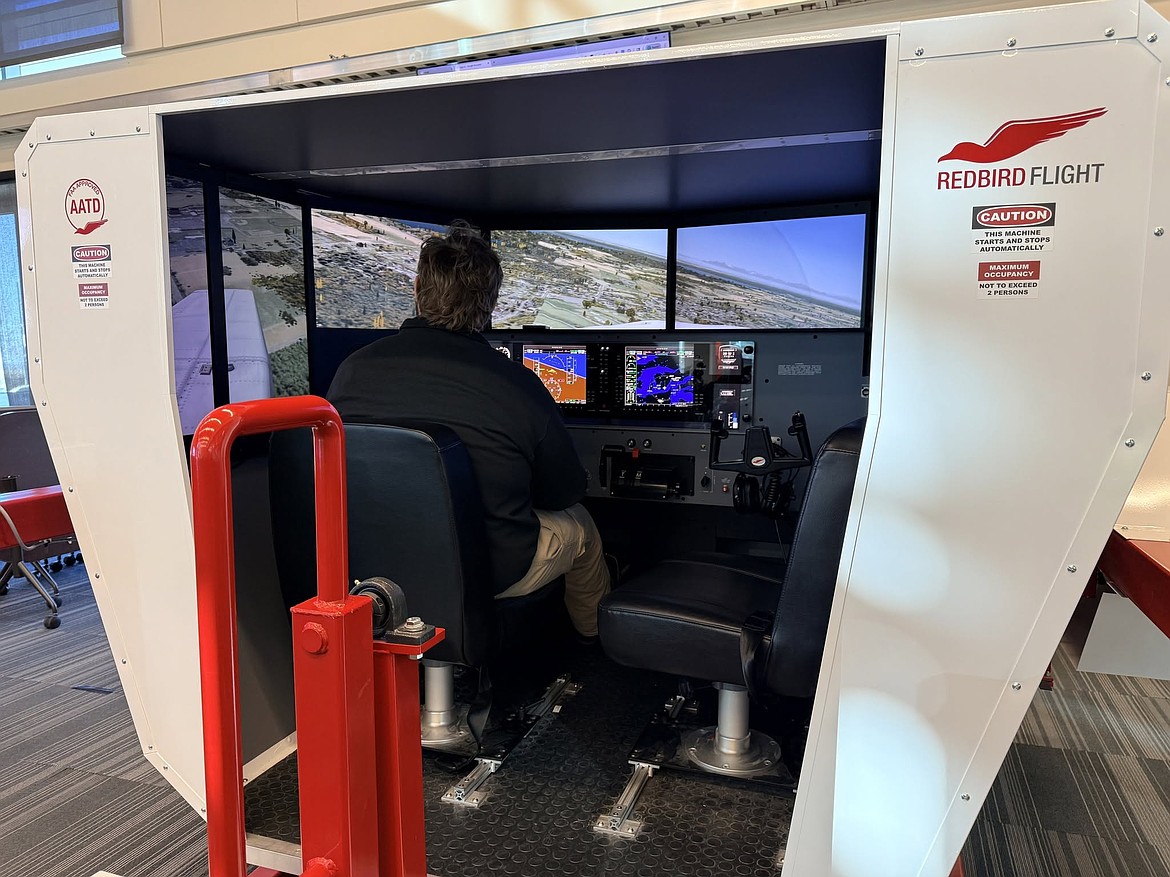
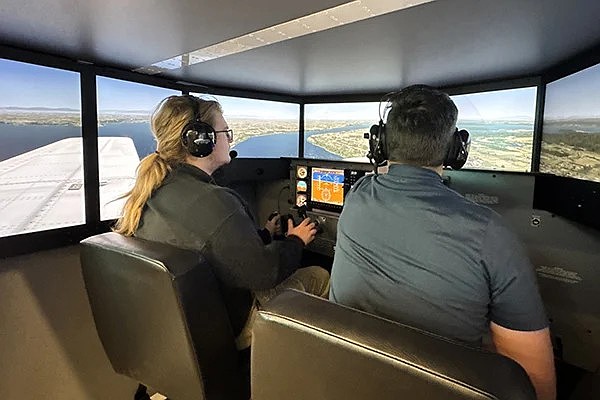
The program introduces students to careers including piloting, drone operations, air traffic control, airport management, airline dispatch and aviation maintenance. Students receive hands-on instruction in flight simulation, aviation weather, aircraft systems, aviation law, aviation safety and uncrewed aerial systems.
A local FAA-certified flight instructor will assist with the program's private pilot ground school component.
Museum of Flight Director of Preparatory Programs Rob Prosch said the partnership comes at a time when demand for aviation professionals continues to grow throughout Washington.
"We are excited to partner with CBTECH on their newly updated Aviation Pathways program," Prosch said in a statement. "The Grant County and North Central regions of the state have a large aerospace presence from aviation to space companies, and as the demand for aviation professionals grows, Aviation Pathways will help students explore a broad range of aviation careers through hands-on learning."
Students also will prepare for the FAA Part 107 Remote Pilot Certification and earn OSHA 10 certification. Through partnerships with Green River College, students may earn college credit while still in high school, according to program information.
CBTECH Director Chad Utter said the region provides unique opportunities for aviation training.
"Together we're creating more opportunities than ever for Columbia Basin students to explore high-demand careers in aviation," Utter said. "Our goal is simple: provide students with the skills, experiences and industry connections that allow them to take flight, right here in the Columbia Basin."
Shannon said the Columbia Basin's aviation history and existing aerospace industry presence make it a natural location for the program.
"We have a rich history tied to the aviation industry," he said, pointing to the former Larson Air Force Base, Grant County International Airport and Boeing's presence in the area. "It just is a natural place outside of the larger communities on the west side that allow for training opportunities and growth."
The partnership also creates a pathway for students who choose to continue their education after high school, Shannon said.
"It also plays into the fact that Big Bend has an aviation program as well," he said. "It's just a natural fit for kids that go to CBTECH, get a feel for this aviation program and then potentially can roll right into Big Bend's aviation program."
The Museum of Flight's ASP program has helped hundreds of high school juniors and seniors earn high school and college credit while preparing for careers in aviation operations fields. According to the museum, students can pursue pathways leading to careers in piloting, drone operations, airport management, air traffic control and airline dispatch.
The Aviation Pathways program is expected to expand over the next four years, increasing college credit opportunities from 10 credits during the 2026-27 school year to as many as 40 credits as additional aviation courses are added and aligned with college curriculum.
For Shannon, one of the program's biggest strengths is its flexibility.
"The cool thing is that they can get into the program, stick around for a couple years, get accustomed to it and get a feel for it," he said. "If they choose to move on after graduation into an aviation field, they're already ahead of the game."