


Royal City’s new police union to begin contract negotiations
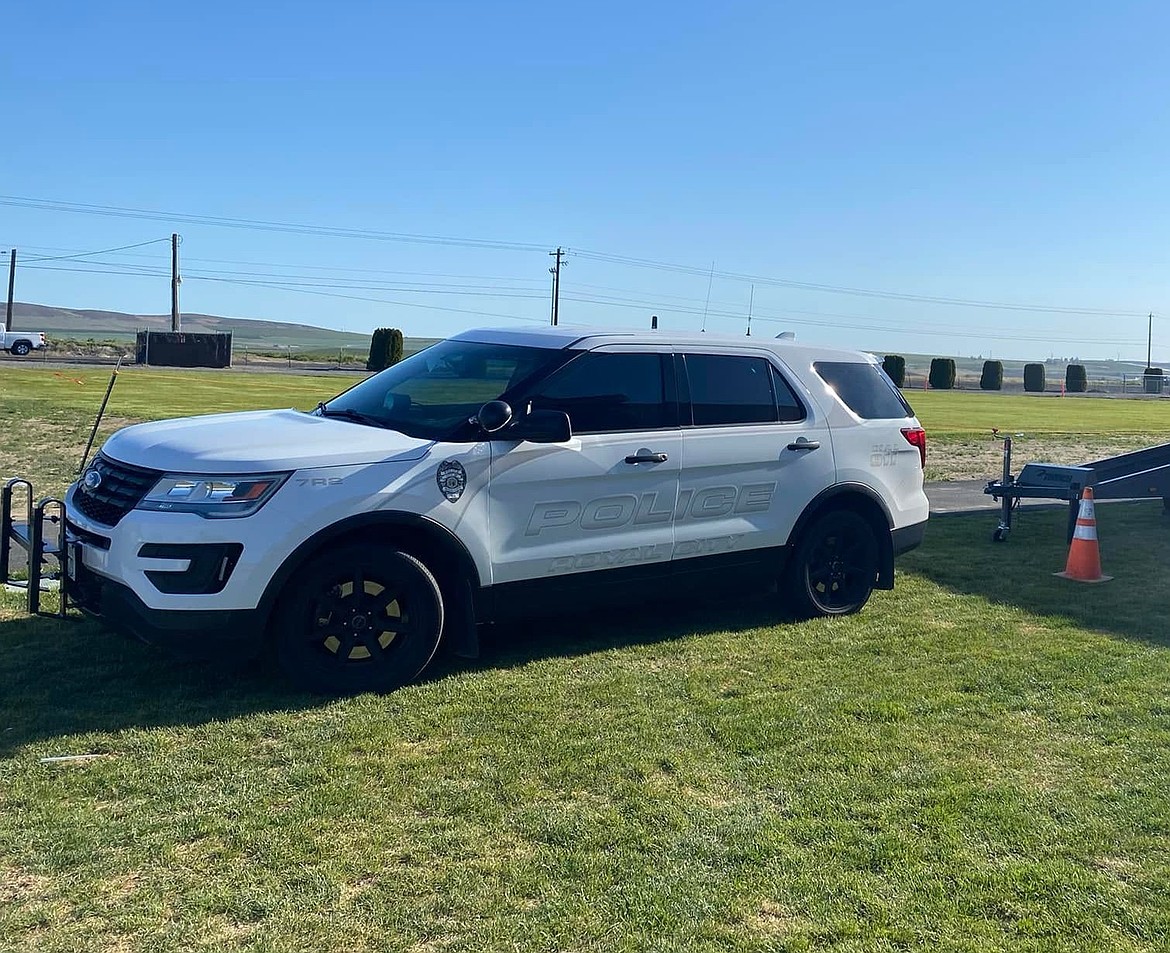
ROYAL CITY — Negotiations should begin soon between the union representing the Royal City Police Department and the city. Royal City Council members appointed a negotiation committee at the regular meeting Aug. 18.
“We’ll be, probably, working through the end of the year, getting ready to negotiate and then negotiating a contract with the police union,” said Mayor Ryan Piercy.
Piercy, RCPD Chief Rey Rodriguez and council member Rick Kannely will make up the city’s negotiation committee.
Teresa Taylor, executive director of the Washington Council of Police Chiefs and Sheriffs, said Royal City’s union, like many statewide, is not part of a larger union organization.
“The union that’s been formed in Royal City is an independent union, so they didn’t join the Teamsters, for example,” Taylor said.
During the Aug. 4 council meeting, Council Member Perla Garcia asked why officers decided to form a union. Officer Hanana Soelter said the union would give them access to additional legal representation if they are charged individually in civil or criminal cases.
Taylor said WACOPS is not a union itself but will offer assistance to the RCPD union in its contract negotiations. It does offer police officers access to additional insurance that provides them access to legal representation.
“Similarly to WACOPS, we only have members that are unions, the insurance provider, which is the California police union. They only work with unions,” she said. “You can’t as an individual buy this insurance, so that makes it a little more complicated for officers who want it.”
Taylor said individual criminal and civil complaints against officers are rare, and officers do have some legal protection.
“The city is obligated under state law to indemnify officers, so this insurance that they'll be getting through us affords them an attorney in the unlikely event, very unlikely event, that they would ever have civil or criminal charges brought against them related to their law enforcement,” Taylor said. “Just to be clear, this isn't like somebody does something in their private life that they then get in trouble for. This is about being a police officer, doing law enforcement work and making sure that you have coverage to protect you, to represent you.”
She cited a case in Tacoma, where it went to trial, and the officers ultimately were acquitted.
“The state spent millions of dollars; the insurance company spent millions of dollars. These are not little cases; they’re expensive, and you have to bring in experts. That’s why officers in the state of Washington more and more are wanting to have that additional protection.”
Washington’s laws have changed in the last decade, and police officers face heightened scrutiny in their communities, she said.
“Here we are in Washington, where we have all sorts of different accountability mechanisms in place now,” Taylor said. “Those are still getting underway, in some respects, since the reforms were passed in 2020 and 2021. But for the most part they’re in place and officers are aware of all the accountability checks and balances in the system.”
Accountability is crucial, but there should be a balanced approach, she said.
“Police officers should be recognized as the professionals that they are, and they should be acknowledged for having been asked to go into a situation that they didn't put themselves in by choice,” Taylor said. “I think they should be treated with the respect of their position. But, likewise, the community has a genuine need and desire to know that no nothing's getting overlooked simply because somebody's also a police officer.”