

WA takes steps to make cosmetics safer
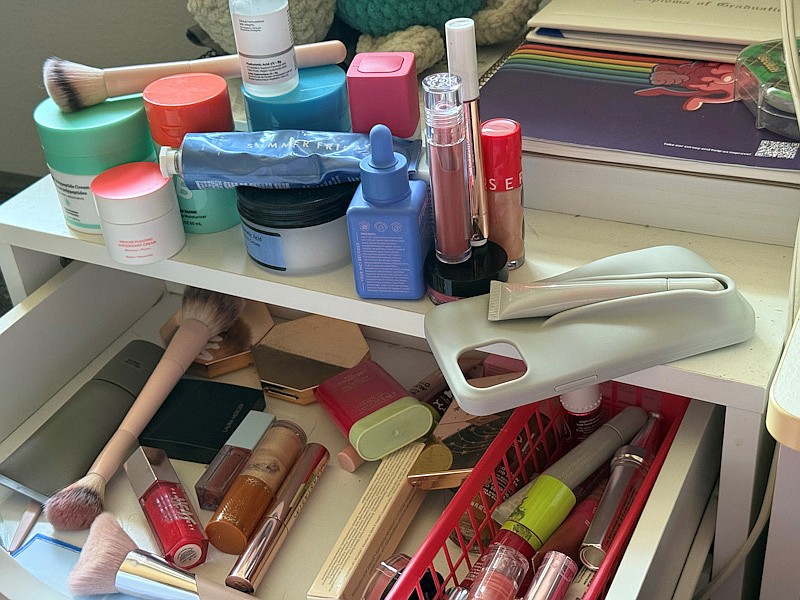
The items on your bathroom counter could contain chemicals that you don’t expect. A law that went into effect last year aims to keep those out of Washington.
COURTESY PHOTO/WASHINGTON DEPARTMENT OF ECOLOGY
OLYMPIA — The products in your bathroom may not be as innocuous as they look.
“One thing that's really shocking in general to people is that ingredients don't need to be approved before being used on the market,” said Shari Franjevic, who’s in charge of implementing the Toxic-Free Cosmetics Act for the Washington Department of Ecology, in an interview with DOE Communications Specialist Michele Cole. “And this is the case in cosmetic ingredients. What happens then is that in reality we have ingredients in products on our shelves that can cause … cancer, effects on human development or our reproductive systems, our hormone systems, our immune systems, all of these things.”
Those chemicals can also cause environmental damage, Franjevic said, when they go down the bathroom drain.
The word “cosmetics” may conjure up an image of makeup, but in fact it covers almost everything in the bathroom: shampoo, lotion, sunscreen, deodorant, shaving cream: anything that is intended to be used for cleansing, beautifying, promoting attractiveness or altering the appearance, according to the DOE website. The exceptions are soaps and prescription or over-the-counter medicines.
Cosmetic products may have ingredients listed on the label, but it can be hard for an ordinary customer to decipher those,” Franjevic said.
“Some clues help identify a chemical in a restricted class, like ‘phthalate’ in the name or ‘fluoro’ for PFAS,” she said. “Other chemicals are hidden, like phthalates in ‘fragrance’ or impurities like lead, which aren’t listed at all.”
The Toxic-Free Cosmetics Act was passed in 2023 and went into effect at the beginning of 2025 and regulates what chemicals can be used in cosmetic products that are manufactured or sold in Washington, according to the DOE website. The TFCA is one of the most stringent regulations on cosmetics in the country, Franjevic said. The restrictions also cover products ordered online and shipped into Washington.
Even with TFCA in place, consumers would be wise to check the ingredients on things they buy, Franjevic said.
“Watch for key words which can … help us understand what to avoid,” she said. “Look for things like fragrance-free versions of products. Avoid waterproof or water-resistant products, because they often contain PFAS … Avoid products that have dyes in them, especially if that dye doesn’t serve a function besides making the product look pretty. They’re unneeded and can have some hazards associated with them.”
Some manufacturers engage in a practice called “greenwashing,” which means using terms that sound environmentally safe but have no scientific definition, like “eco-friendly” or “non-toxic” or “natural.”
A good rule of thumb is to look for products with shorter ingredient lists, Franjevic said.
TCCA, and other laws of its kind, are making a difference, Franjevic said.
“People are paying attention,” she said. “They're asking questions and seeking safer alternatives and … transparency. And in response we see brands reformulating, we see ingredient suppliers innovating, we see legislators paying attention, and we're seeing more and more of these laws and we see nonprofit organizations saying, we can do better really defining a future for us.”