
Port of Moses Lake looking for more water
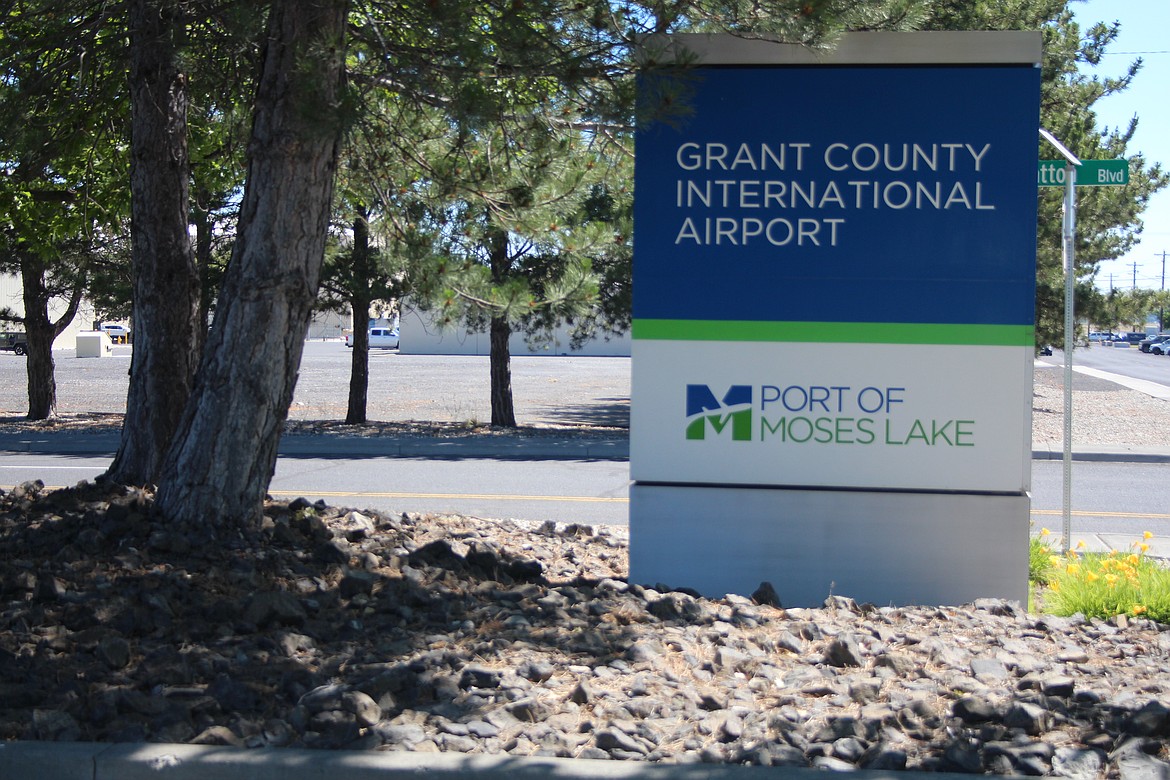
MOSES LAKE — Getting enough water for future needs at the Port of Moses Lake, where to get it, and how much it might cost, is the subject of an ongoing study. Commissioner Stroud Kunkel said the port needs more water, even though it could be an expensive proposition.
“I think we need to look for it anywhere we can, not wait for it to bubble up,” Kunkel said during the commission meeting Monday.
Port officials are considering future growth and how to provide water for it at a time when water resources throughout the Columbia Basin are declining. Commissioners extensively discussed the option of buying water rights and drilling a well, and approved a contract to study the feasibility of accessing an irrigation canal.
Carol Crapson, the port’s director of real estate, said one option is the well project, which would cost an estimated $4 million but would benefit the port in the long run, assuming the project produced water.
“Assuming we have $4 million,” said Commissioner Kent Jones.
The cost of the current phase of the canal feasibility study was estimated at $100,000 and was approved on a 2-1 vote. Jones voted no, saying he wasn’t against the idea, but that port officials should wait until they had a clear idea which option the port planned to pursue.
The well project would include the cost of purchasing water rights, as well as the costs of drilling, purchasing a pump, and constructing a pumphouse. Crapson evaluated the project as part of preparing the 2026 capital budget and said $4 million would be the lower estimate of the cost.
The port is on the site of the former Larson Air Force Base, and activities around the base back in the day have been found to have contaminated the groundwater. Crapson said part of the gamble with drilling a well would be the chance that the water would be contaminated. The water could be decontaminated, but that would add substantially to the cost, she said.
The initial investment would be lost if the well came up dry, she said.
“There’s a lot of risk in this one,” Crapson said.
She recommended further analysis and possibly proceeding with it in 2026, saying the port would have increased equity if the project produced uncontaminated water.
Possibly diverting canal water is another option, and commissioners approved starting the feasibility study to look at it. Milton Miller, the port’s facilities director, said the study would help determine where the port should allocate its resources — or possibly not pursue additional water at all.
“We’re trying to see if it would actually work,” he said.