
Use common sense when warming up with a space heater
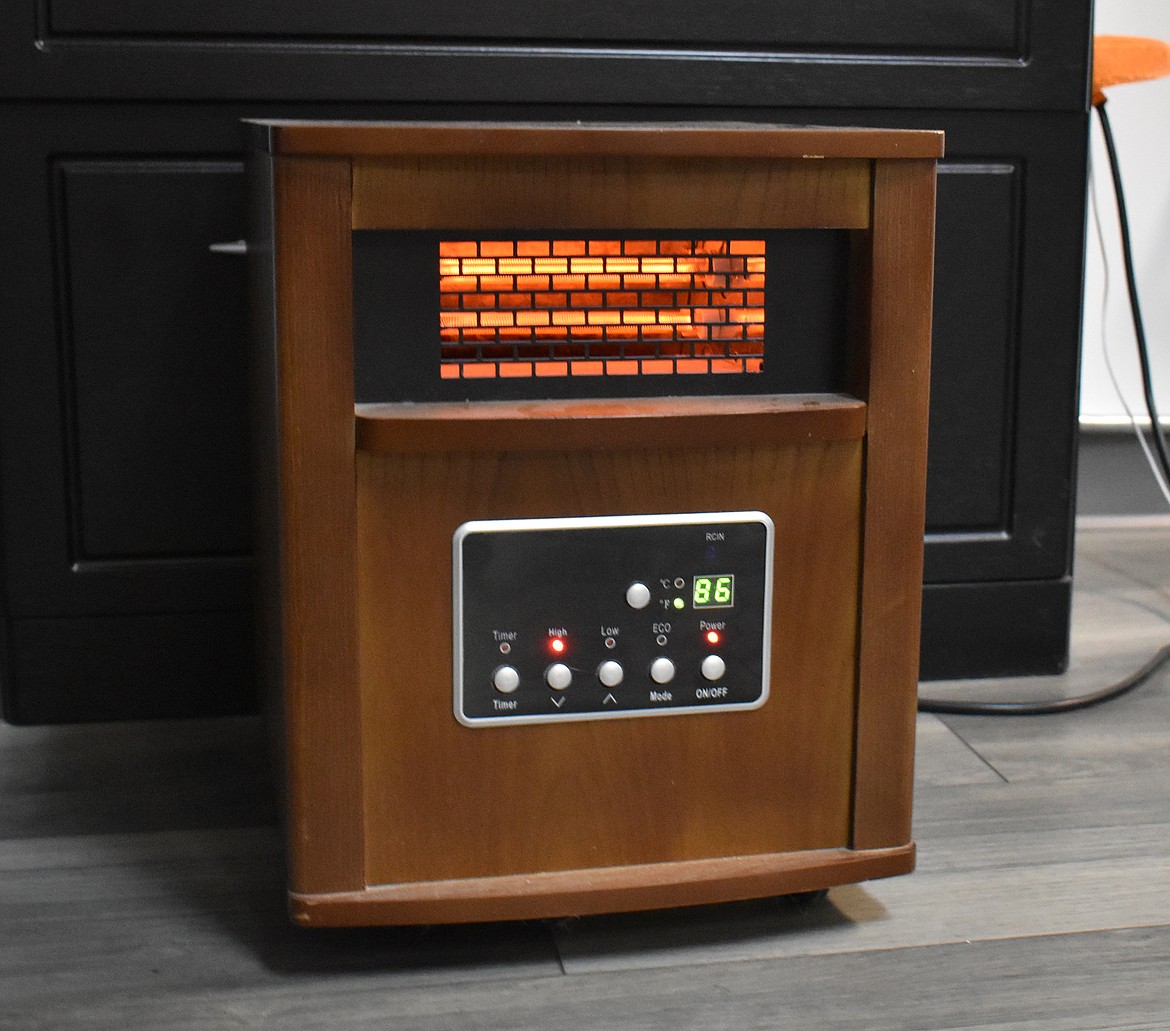
A space heater can be a portable, versatile way to warm up a room, but it’s important to use it safely
JOEL MARTIN/COLUMBIA BASIN HERALD
MOSES LAKE — Winter weather has come to the Basin, which means a lot of people will be looking for ways to keep warm. Space heaters can be a useful, portable way to heat up a room, but you have to be careful with them and the fire risks they present.
“Maintain space between the heater and any combustible object: clothes, blankets, anything that could catch fire,” said Moses Lake firefighter Seth Ellis.
One in six residential fires on average are caused by heating equipment, according to the National Fire Prevention Association. Of those, about a third are caused by space heaters, but those fires result in 88% of civilian deaths and 80% of civilian injuries from heating-related fires. The number of fires caused by heaters has dropped from more than 70,000 annually to about 40,000, largely due to safety features like switches to shut the device off when it tips over.
The Moses Lake Fire Department has some guidelines for using space heaters:
• Use only electric space heaters that are UL-listed and equipped with automatic shut-off features in the event of tipping over or overheating.
• Never use gas, charcoal, or other fuel-burning appliances indoors, such as portable propane heaters, camp stoves, or charcoal grills. These can produce deadly carbon monoxide and are not safe for indoor use.
• Keep space heaters at least three feet away from anything that can burn, including furniture, bedding, curtains, and clothing.
• Keep children and pets at a safe distance from space heaters to prevent burns or accidental tipping.
• Plug space heaters directly into a wall outlet. Avoid using extension cords or power strips, which can overheat and cause fires.
• Inspect heaters regularly for damaged cords, plugs, or loose connections. If damaged, do not use the heater.
• Use one heater per outlet to avoid overloading your home’s electrical system.
• Ensure proper ventilation in rooms where space heaters are used, and keep smoke and carbon monoxide alarms in working order.
• Turn off and unplug heaters when you leave the room or go to bed. Never leave a space heater running unattended.
According to data from the NFPA, only 13% of heating equipment fires happen between 12 and 6 a.m., but they account for 40% of fatalities.
“Occupants have less time to respond to fires in the overnight hours when they are likely to be asleep and farther away from areas of egress, underscoring the importance of equipping homes with detection systems for early warning,” the NFPA wrote on its website.
Another way to improve fire safety is to sleep with bedroom doors closed, Ellis said, both adults and children. Having a door closed slows down the spread of smoke, heat and gases.
“Kids don’t want to (sleep) with their doors closed because they get scared,” Ellis said. “But truthfully, it’s the safest thing for them. I’ve rescued people out of homes that have been burning because they slept with (the door) shut. It was 10 minutes into the fire by the time we got them out and there was no smoke in the room.”