
Moses Lake man pleads guilty to possession of child pornography
OTHELLO — A Moses Lake man will be sentenced April 8 after pleading guilty to three counts of possessing sexually explicit images of children Tuesday.
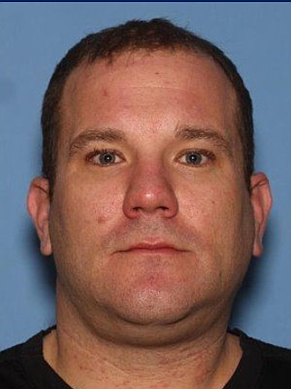
Dustin Blaske, 40, pleaded guilty in Grant County Superior Court to three counts of first-degree possessing depictions of minors engaged in sexually explicit conduct. He was caught following an investigation in 2021, according to a release from the Othello Police Department.
Othello detectives had discovered in May 2021 that sexually explicit depictions of children were being shared regionally on a peer-to-peer network, the release said. In November 2021 officers from a number of law enforcement agencies served a search warrant in the 6800 block of Bacon Lane NE, identifying Blaske as the suspect.
“Investigators seized several electronic storage devices (including) computers, cellphones, USB drives and CD drives,” the release said. “After digital electronic analysis conducted by (Department of Homeland Security Investigations), approximately 20,000 images were located on his devices depicting children involved in sexually explicit activity.”
Blaske confessed to seeking explicit images of children online, the release said.
The Grant County Sheriff’s Office, Seattle PD Internet Crimes Against Children Task Force, Department of Homeland Security HSI, Washington State Patrol Missing and Exploited Children Task Force and Washington Liquor and Cannabis Board were part of the investigation.
Brent McFarlane, detective sergeant with OPD, said parents should monitor their children’s use of social media to reduce the chances they will be targeted by a predator.
“Pay attention to what their kids are doing online and pay attention to their social media platforms,” McFarlane said.
While social media gets a lot of attention for its vulnerability to exploitation – and some social media platforms are more exploitable than others – McFarlane said predators are utilizing any access to children they can find, including video games.
“If there’s any platform a predator can access, they’re using it,” he said.
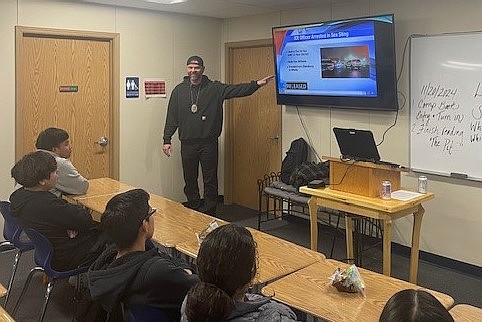
Child predators use fake names and profiles to contact children and teens, and use information like location data to exploit young people. McFarlane and fellow OPD officers teach classes in the Othello School District designed to make students aware of risks online and how to avoid them. McFarlane said he tells students a predator may send out 1,000 contacts and only needs one young person to respond.
McFarlane said he recommends the Washington State Internet Crimes Against Children Task Force, WA Internet Crimes Against Children | ICAC Conference as a resource for parents and adults looking for ideas and information to protect their children.
“There is a ton of resources and free training on there,” he said.
The National Center for Missing and Exploited Children has a tipline accessible through the WICAC website to report cases of suspected child predators. Tipsters can remain anonymous.
 BLASKE