
Thursday, January 08, 2026
37.0°F

Chimney maintenance is essential for safety
by JOEL MARTIN
Staff Writer | December 19, 2025 3:00 AM

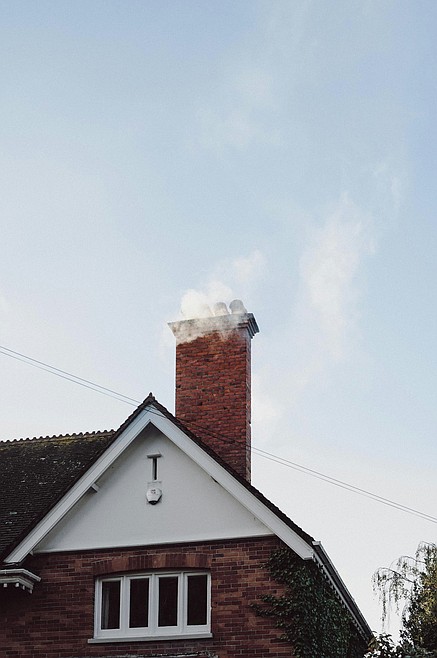
MOSES LAKE — With Christmas just around the corner, lots of folks are using their fireplaces for warmth, roasting chestnuts or just a pleasant atmosphere. But before Santa pays your chimney a visit, you should make sure it’s in good working order.

Chimney fires are responsible for more than three-fourths of residential building heating fires, according to the U.S. Fire Administration. Regular inspections and cleaning are the best way to prevent that, said Michael Harper, known as The Chimney Guy.

“If they’re using (the fireplace) aesthetically – date night, Christmas, New Year’s, show-off times, something in the background here and there, (they should) have it inspected once a year for peace of mind,” Harper said. “If they’re using it two to three days a week religiously through the winter months, they need to have it cleaned once a year.”

Letting the chimney go uncleaned too long results in a buildup of creosote, which is where chimney fires come from.

With more than 30 years of chimney experience under his belt, Harper knows his way around a fireplace and how one should be properly maintained. Besides cleaning them, he also builds them, as well as installing wood stoves, pellet stoves, gas fireplaces and custom outdoor kitchenettes, he said.

Many people are unclear on what can go in a fireplace, Harper said. Just because it’s flammable doesn’t mean it’s a good idea to burn it indoors.

“(People) burn their mail and they don’t rip out the clear window in it, which is paraffin,” Harper said. “They’ll burn their cereal boxes. Burning your regular cardboard box is fine, but not burning your cereal box. That shiny sheen on it, that’s paraffin. They’ll burn their Sunday newspaper, which is fine until they get to the comic section, the shiny part, which is paraffin. You don’t want to have anything that’s shiny or (has a) sheen inside your fireplace.”

It’s not just paper and trash. Burning wood with lots of sap, or green wood, or wet wood causes a buildup as well.

Even regular firewood will eventually create a buildup, which means it’s a good idea to make sure the fire doesn’t get too big.

“Make sure you’re not overloading your firebox, whether it be a fireplace or a wood stove,” Harper said. “If you have a buildup in there, you don’t want a bonfire inside your fireplace to light (the buildup) on fire. You get too big a fire in there; you’ll get a backdraft.”

A good way to tell at a glance if your chimney is clogged is to look at the chimney cap, Harper said.

“Most of the time you can see it from the ground,” he said. “If you can see through your chimney cap, you’re pretty OK. It’s whenever it starts to be all black and you can’t see through it anymore, then there’s probably a hindrance in the draw.”

Chimney fires are sneaky, according to the Chimney Safety Institute of America. Because they don’t get a lot of air or have a lot of fuel, they burn slowly without huge, highly-visible flames, but they burn hot – around 2,000 degrees Fahrenheit – and can do a lot of damage. A chimney fire can be identified from a variety of things including loud cracking and popping noises, dense smoke, a hot smell and others.

Of course, some brave souls with no fear of heights may want to save some money and clean their own chimneys. That’s always an option, Harper said, if they look for instruction on how to do it properly.

“Pushing a brush down doesn’t necessarily clean your chimney,” he said. “A big misconception is, ‘Oh, I can run out and grab some brushes and some rods and push it down my chimney and clean it myself.’ Well, you can knock the surface material off, but do you have the proper brushes? The proper brushes make a big difference. Are you getting the corners, are you getting in behind your damper, are you getting in behind your smoke shelf? Those are the things that people don’t think about. They think when they push a brush down that, ‘OK, it’s clean now.’ That’s not the case.”

Keeping a chimney in good order isn’t complicated, Harper said; it just requires a little diligence.

“You want to make sure that you have good draw at all times,” he said. “You want to make sure your damper is open when you’re having a fire, and you want to make sure that the wood that you’re burning is seasoned, and have it inspected once a year. You do those four things, you’re probably going to stay on the safe side.”

The Chimney Guy can be reached at 509-430-7796.

MAINTAINING FOR SAFETY

• Have your chimney and fireplace inspected and cleaned annually by a professional.

• Install a chimney cap to prevent obstructions and reduce downdrafts that can push smoke into the home.

• Use a sturdy fireplace screen or glass doors to keep children and pets away from the fire and to contain sparks and embers.

• Never leave children or pets unattended near a lit fireplace. Establish a three-foot kid-free zone around the fireplace to prevent burns.

• Burn only dry, seasoned wood. Do not burn treated or painted wood, as it can release toxic fumes.

• Avoid burning paper in your fireplace.

• Allow ashes to cool completely before disposing of them in a metal container with a tight-fitting lid.

• Store the container outside, away from the home and other combustible materials.

• Keep a fire extinguisher in the home and know how to use it.

• Install smoke alarms and carbon monoxide detectors in key areas of the home and test them regularly.

SOURCE: WASHINGTON STATE FIRE MARSHAL’S OFFICE

SIGNS OF A CHIMNEY FIRE

• Loud cracking and popping noises

• A lot of dense smoke, and

• An intense, hot smell.

A professional chimney sweep inspecting the chimney can tell if there’s been a fire by:

• “Puffy” or “honey combed” creosote

• Warped metal of the damper, metal smoke chamber connector pipe or factory-built metal

chimney

• Cracked or collapsed flue tiles, or tiles with large chunks missing

• Discolored and/or distorted rain cap

• Heat-damaged TV antenna attached to the chimney

• Creosote flakes and pieces found on the roof or ground

• Roofing material damaged from hot creosote

• Cracks in exterior masonry

• Evidence of smoke escaping through mortar joints of masonry or tile liners.

SOURCE: CHIMNEY SAFETY INSTITUTE OF AMERICA