‘Quiet stress’ plagues Washington
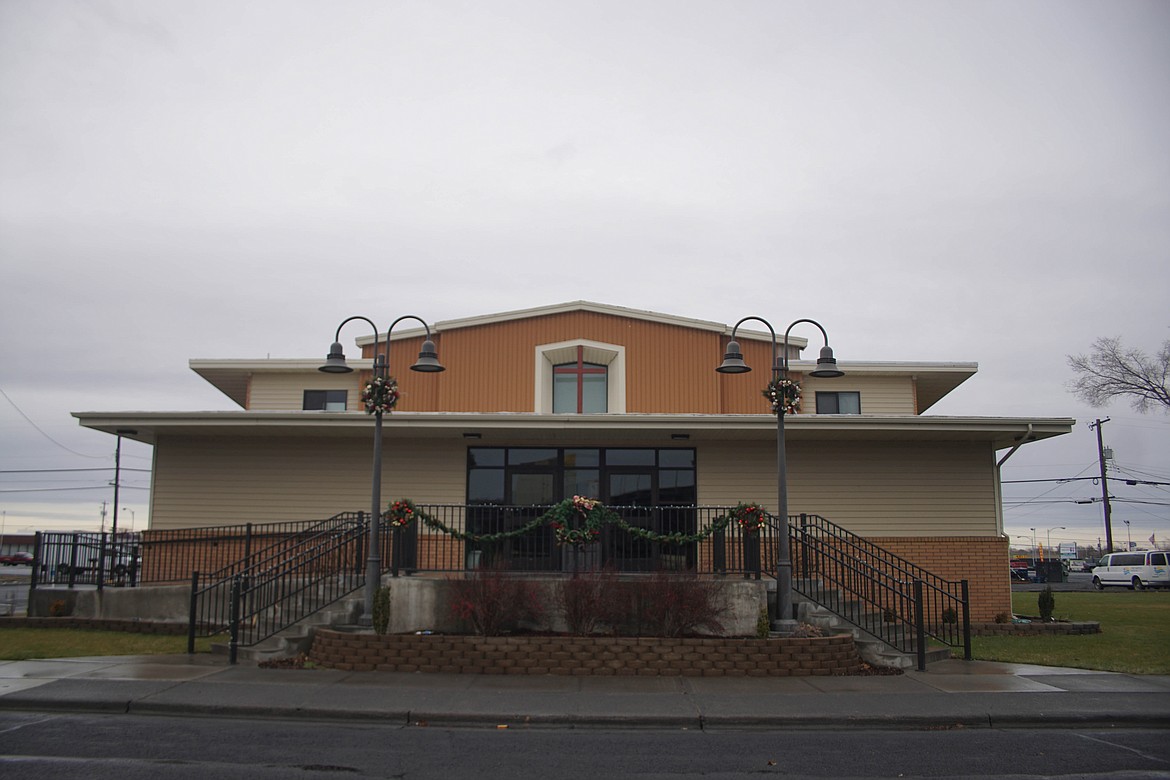
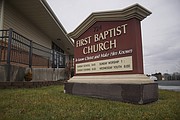
First Baptist Church, on 724 W 4th Ave. in Moses Lake, where AA meetings are held.
On the floor in a mental fog. On the verge of death. Friends, family, doctors intervening. For one Ephrata Alcoholics Anonymous member, that’s what it took to seek help: It smacked her in the face.
It almost comes to a near death experience, she said. That’s what it takes a lot of times before someone agrees to get help.
And this winter, the need for help is far from uncommon. American Addiction Centers, a provider of substance addiction treatment resources, conducted a survey of 3,000 adults and found that nearly one in three Washingtonians say they believe they have suffered from “quiet stress” this year as a result of social isolation on top of regular winter blues.
While stress symptoms include shouting, swearing and anger, quiet stress causes underreaction and bottled up emotion, the survey said. This can later come out in heightened depression, anxiety and addiction.
The pandemic has taken a major toll on regular AA meetings in Grant and Adams counties, the AA member, who asked to remain anonymous, said. They’ve increased the number of meetings over Zoom, but they aren’t nearly as effective as face-to-face camaraderie. While in-person meetings haven’t completely gone away, they’ve shrunk significantly.
The AA member has answered calls, directed people to meetings, for about three years, she said. Since the lockdown, she’s received several more calls a week from all over the state.
Addiction continues no matter what, she said. It doesn’t stop for poverty, wealth or anything. But it is harder for people right now.
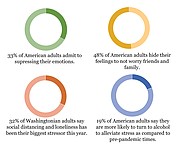
According to American Addiction Centers, over a quarter of adults say social distancing and loneliness has been their biggest stressor this year. Nineteen percent say they are more likely to return to alcohol to alleviate stress as compared to pre-pandemic times.
One-third admit to suppressing their emotions and say these feelings emerge after they’ve been drinking. Around 48% say the reason they hide their feelings is to not worry family or friends.
This winter is harder than most, Moses Lake counselor Katheryne Espinoza said. She specializes in mental health and sees many patients dealing with depression and anxiety.
Because of the lack of light this time of year, Espinoza sees an increase of seasonal depression. On top of that, people have a harder time coping because of mandated isolation.
She’s seen a lot more drinking and drug use as well, she said.
“Stores are closed, places that they might go are closed, go out to restaurants and they’re closed, you can’t work out in the gyms anymore,” she said. “It’s very hard to find things for them to do, so they’re having to do it all inside alone.”
The increased isolation brings on a lot more unprecedented issues for couples, Espinoza said, with external stressors such as less income, on top of having much more time at home to argue.
It’s also leaving permanent effects, she said. Since the pandemic, she has dealt with a lot more children. Being at home is preventing socialization and stunting natural development.
Espinoza advises working through these added stressors via all available means. More meditation, exercise videos, jogging alone or with select friends, reading, watching movies, playing games or anything else that gets endorphins going, keeps someone engaged as well as safe.
The most important thing, the AA member said, is to not lose hope. No matter what, there will be a group of people who will keep AA meetings going, she said.
It works, she said. It saved her life.
For a list of District 19 AA meetings, visit area92aa.org. For immediate help with a mental health crisis or thoughts of suicide, contact the National Suicide Prevention Hotline at 1-800-273-8255.