Second hearing to be scheduled on Grant County landfill fee proposal
By CHERYL SCHWEIZER
Staff Writer
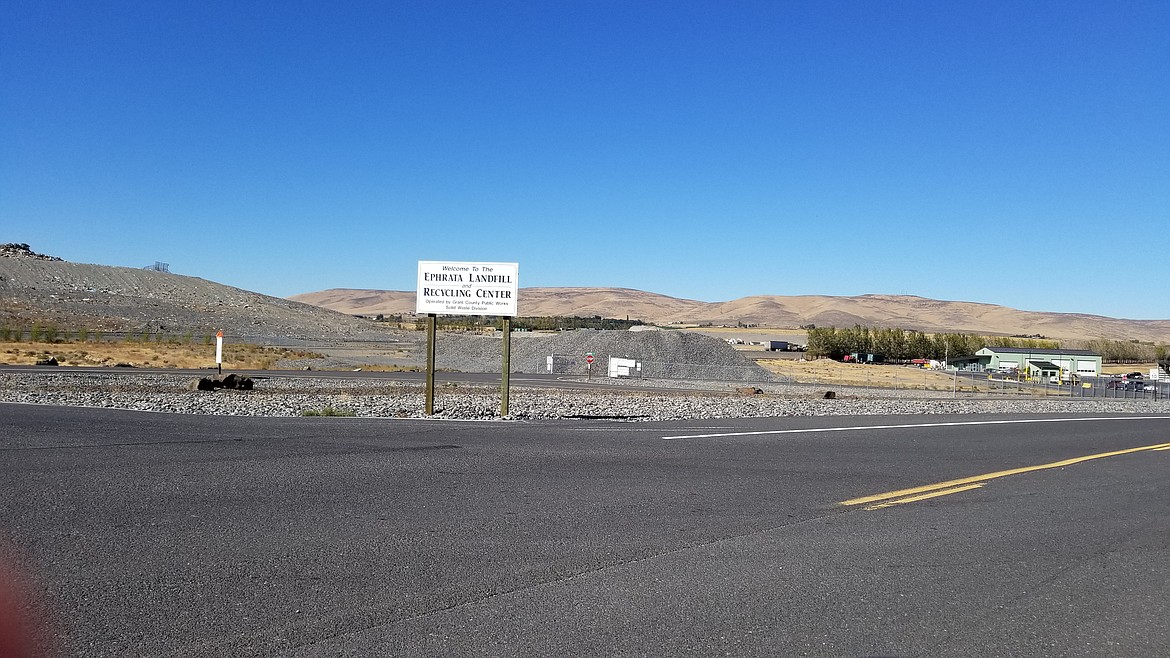
EPHRATA — Grant County commissioners will schedule a second public hearing, with the date to be determined, on a proposal to raise fees to dump garbage at the Grant County landfill. Commissioners held a hearing Tuesday to review a proposal from the county’s public works department and collect public comment.
The proposed fee schedule is available on the county’s Public Works webpage. The fee to dump garbage, known as a tipping fee, would be raised to $49.33 per ton beginning March 1, 2021. Currently, it’s $28.80 per ton. Other fee changes are also listed.
Public Works director Sam Castro said the current fees are the lowest in the state and that they don’t allow the department to save money for capital projects.
County officials recently awarded a $2.5 million contract to close one section of the landfill and open another section. The money for that project came out of the department’s reserves, Castro said, not from tipping fees.
Castro estimated that the new section of the landfill should accommodate garbage for another five to six years, and there’s another section available when that one is full. But sooner or later county officials will have to start thinking about a new landfill, he said, and start saving money for it.
The Solid Waste department has other expenses, including the need to replace some of its equipment. In addition, some administrative costs that are paid by other departments should be paid by Solid Waste. Castro said the department should hire two additional workers, and that’s not accounted for in the current budget.
Cindy Jensen, Moses Lake municipal finance director, was the only person to testify on the fee proposal during the public hearing. She said the proposal amounts to a 71 percent increase in the fee, and she didn’t see why it needed to be that much.
Jensen said she agreed garbage fees needed to be raised, but she questioned the amount of the increase.
Castro said he wanted county residents to see the proposal and have time to study it and submit comments on it if they choose.
Commissioners won’t vote on the proposal until after a second hearing.