


Huge need for foster parents in Grant, Adams counties
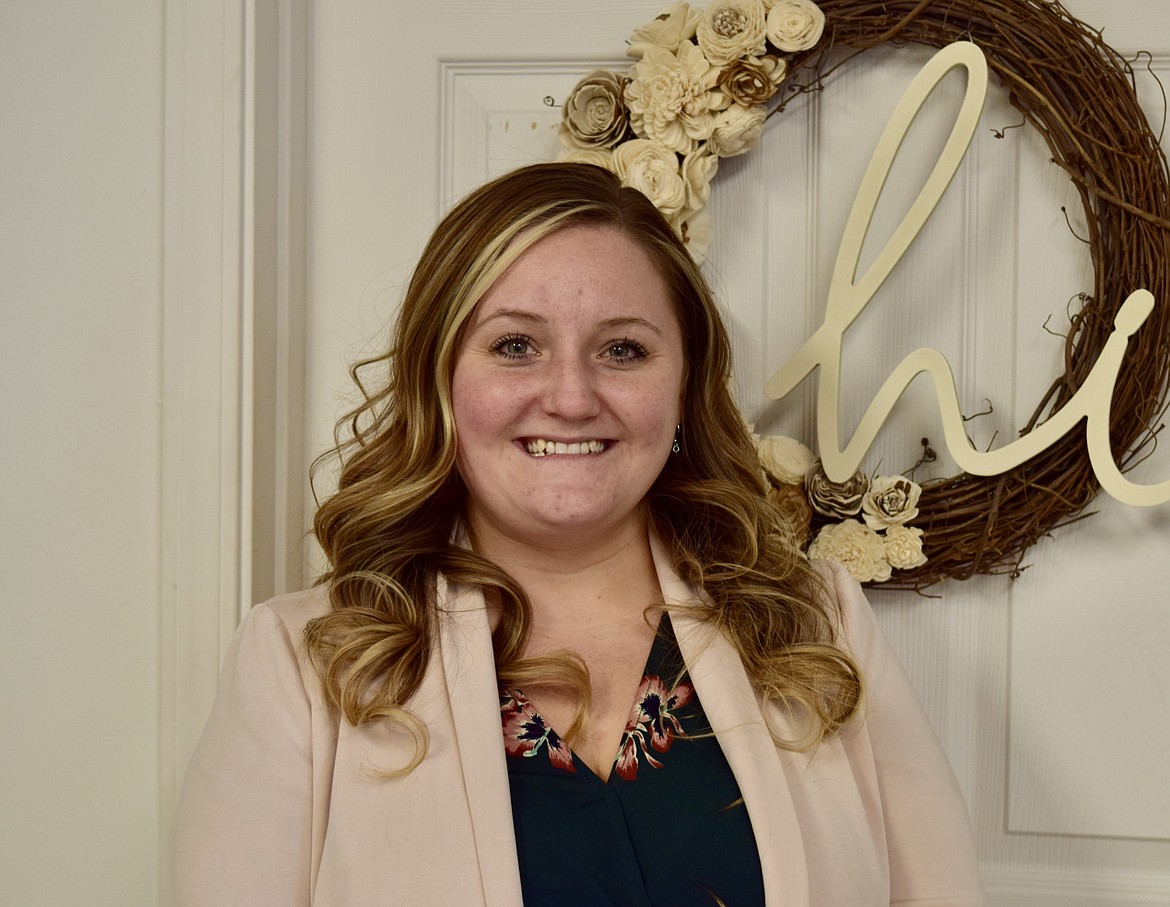
Danielle Hofstetter, clinical director in Moses Lake for the private, non-profit Community and Family Services Foundation, is looking for a few good grownups to become foster parents in Grant and Adams counties.
Charles H. Featherstone/Columbia Basin Herald
MOSES LAKE — Danielle Hofstetter is looking for a few good grown-ups to become parents.
“Every single child needs love,” Hofstetter said. “Regardless of their behaviors, regardless of their age, every child just needs love.”
“They need structure, they need consistency, they need schedules,” she added. “Every child is different, but still just a child.”
As the head of the Community and Family Services Foundation (C&FSF) in Moses Lake and a foster parent herself, Hofstetter is doing what she can to make sure children in difficult circumstances — who have been removed from their homes because of abuse or neglect — get the care and the love they need.
C&FSF is a private non-profit that contracts with the state’s Department of Children, Youth and Families (DCYF) to oversee foster placements, Hofstetter said. According to the organization’s website, C&FSF was started in 2000 in a small office in Belfair “serving a few families,” but has since grown into a statewide organization with nine offices.
“We license our own homes and we place children from the state who need foster parents,” Hofstetter said.
According to adoption national advocacy group AdoptUSKids, there are roughly 10,000 children in foster care in Washington state.
“The need is huge,” Hofstetter said. “There is constantly not enough foster homes for the need that we have statewide.”
Hofstetter said around 150-200 young people in Grant and Adams counties are in the foster care system, while finding local families is proving difficult.
“We’re having to move Grant County kids to other counties because we don’t have enough foster homes,” she said. “We’re trying to fill the need as much as we can.”
It’s important to keep kids as close to their homes and communities as possible, Hofstetter said, to maintain some continuity in their lives.
“Our biggest goal as an agency is permanency, whatever that leads to, and to keep kids local,” she said. “Keep them in their schools, keep them in their natural supports, keep them close to their parents so they can visit. That is always our goal.”
To become a foster parent, Hofstetter said the first thing is simply to show interest.
“The first step is to reach out, to DCYF, which is the state, or to us,” she said. “The rules for the state and for private (placement outfits like C&FSF) are no different. The state is much bigger, and our case managers have much smaller caseloads.”
“Getting licensed with a private agency (like Community and Family Services), you get a little more support,” Hofstetter added.
Applicants — who can be single or married — must pass a background check, will receive a series of home visits to make sure their home is safe and adequate, and then must also have up-to-date vaccinations for themselves and their pets.
“The process can be kind of lengthy, but depending on how motivated the foster parents are, it’s on average about 90 days,” she said.
She also said patience is the most important quality a foster parent can have — patience with the process and especially patience with kids who have often times been traumatized and are acting out on that trauma.
Because of that, Hofstetter said C&FSF case workers make sure to place kids with a family that is as appropriate as possible. While there’s no distinction between “short-term” and “long-term” stays, Hofstetter said that a lot of foster parents want to help birth families as much as possible.
“More than likely, the (birth) parents are going to be doing what they need to do,” she said. “Some families just want to help short term, to be a role model for birth parents and help them with what they need to do to get their children back.”
“But when we receive a referral from the state, there is no timeline,” Hofstetter added.
The longer a child stays in foster care, the more likely that child will be adopted, according to DCYF’s 2019 Annual Progress Report. In 2017, the period covered in the report, 86 percent of children in foster care less than 15 months were reunited with their families, while 54 percent of those in foster care for more than two years are adopted.
In all, about half of all kids in foster care are eventually reunited with their families while a third are adopted, the report said.
Hofstetter herself is an adoptive parent of a child she fostered.
“I’m a foster parent and I work for the agency as well, so I’m kind of enmeshed in foster care,” she said.
If you are interested in finding out what it takes to become a foster parent in Grant or Adams counties, you can contact the Community and Family Services Foundation in Moses Lake at 509-766-1952, or the Department of Children, Youth and Families at 1-888-KIDS-414 (1-888-543-7414).