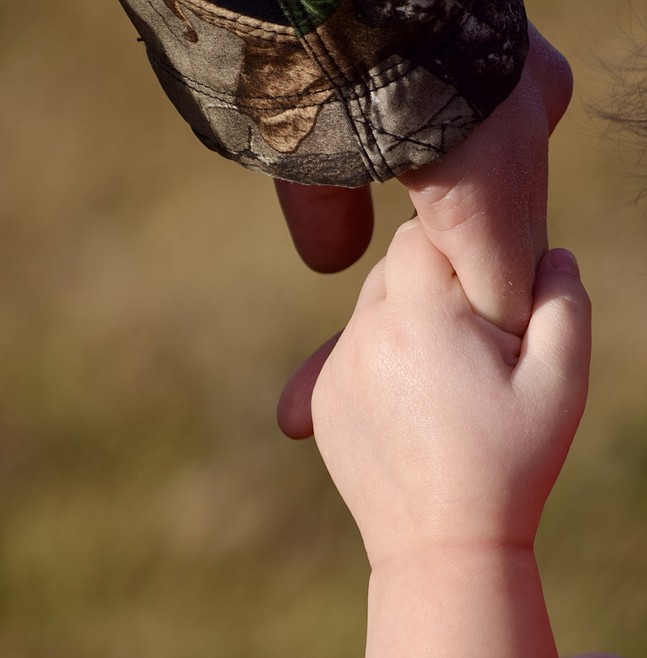
Helping hand: Parents for Parents helps rebuild families
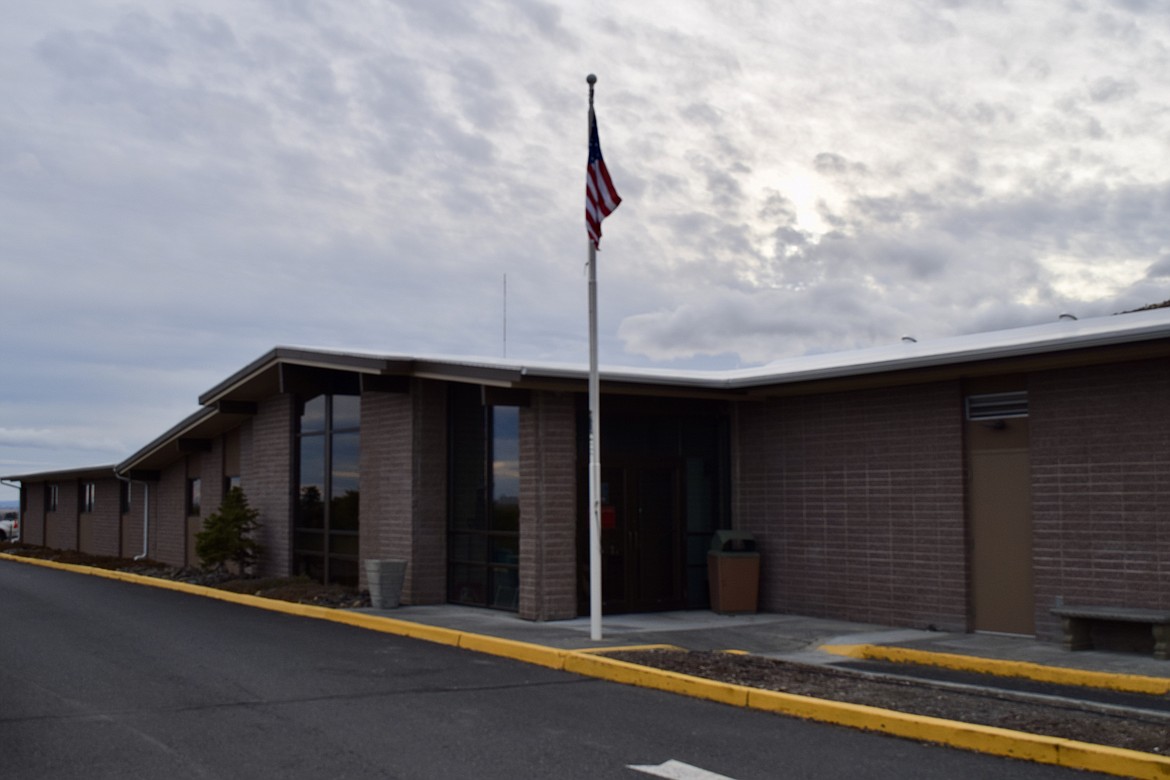
For the parents New in Grant County
MOSES LAKE — It may be hard to have much sympathy for parents who lose custody of their children.
Some are abusive. Some are addicts. Some are just troubled.
But there are some people who care, and they care because they’ve been there. They have stood before a judge in family court. They lost custody of their own children and struggled mightily to get it back.
And now many of them are trying to help others navigate what can be a bewildering, complex and seemingly cruel and demanding legal system that has as its stated aim reuniting families whenever it can.
“I went through dependency 10 years ago,” said Andrea (not her real name). “I was scared, and I was alone, and I did not have a support system in any sense of the word.”
“I was in legit need of help, and I knew that, but when my children were removed from my care, I was angry, defiant and in denial. I didn’t have any kind of guidance. I didn’t have anyone to take me through the process,” she said.
Thanks to a change in state law, Andrea — who agreed to speak with the Columbia Basin Herald on condition her real name not be used — now helps other parents navigate dependency, the name for the legal process of placing children in state custody.
She volunteers as a parent ally with Parents For Parents, a group which helps advise parents dealing with custody matters in 16 counties across the state.
“It began in Pierce County with a parent named Brenda Lopez,” said Alise Morrissey, director of family resilience strategies for the Children’s Home Society in Seattle. “She said parents were required to do all these things, so let’s give them the tools to navigate the process to give them hope that change is possible.”
Morrissey would know. Like Andrea, she too went through the dependency process — lost custody of her newborn daughter — 11 years ago.
“My daughter was removed at birth, and the foster parents were told, ‘This is your baby. The mom will never change,’” she said. “I was not allowed to see her for a year.”
The Children’s Home Society was formed 120 years ago in the belief that “children should be living in homes and not institutions” such as orphanages. Now, it helps families and advocates for children.
In Grant County, Andrea said parent allies accompany parents to court hearings, talk with attorneys and advocates involved in a case, and then once a month offer a “Dependency 101” class to outline the process and let parents know what kinds of things will be expected of them in order to regain custody of their children.
“We’re not for the foster parents, we’re not for anybody else that’s involved,” she said. “We’re there for the parents that have had their children removed.”
Not just anyone can volunteer, Andrea explained. Parent allies must have gotten their kids back, have their cases completely closed, have accepted responsibility for themselves and their situation, and be eager to help other parents succeed.
“We are expected not to consume drugs and alcohol, maintain lives, especially publicly, that are professional. We’re not supposed to be loud and rowdy,” she said. “Nobody can just come in and volunteer.”
According to Yesenia Diaz, the Parents For Parents program coordinator in Grant County, the program was just founded in Grant County last May, and it is still looking for volunteers who can help other parents get through the process.
“I’m hoping that as we throw it out there to the community, that more people will be willing to come forward and ask for help,” Diaz said. “It’s definitely scary, and no one wants to ask for help when you’re in that situation.”
Morrissey said the program, which received state funding beginning in 2015, has been eagerly accepted by judges, advocates and social workers with the Department of Children, Youth and Families (DCYF), which oversees the state’s foster care and child welfare systems.
“Judges have told us we cannot do without this program. They have been absolutely on board,” Morrissey said. “In my heart, I know not every family will be reunited, but I want to be able to say that we’ve done everything we possibly can for this family.”
Andrea believes that had there been parent allies to help guide her through the process a decade ago, things would have been much different for her. And her children.
“I firmly believe that had this program existed then and somebody came and talked with me, said, ‘I’ve been in your shoes and this is what happened,’ and just been there and talked with me and let me know that it is possible to get your children back, this is not a forever thing, there is light at the end of the tunnel, I probably would have been able to get my children back sooner than I did,” she said.
“I got in my own way, and I think that’s pretty common,” she added. “And that’s why we’re here.”
Charles H. Featherstone can be reached at [email protected].