Richard Stevens: The job is important, not the commissioner
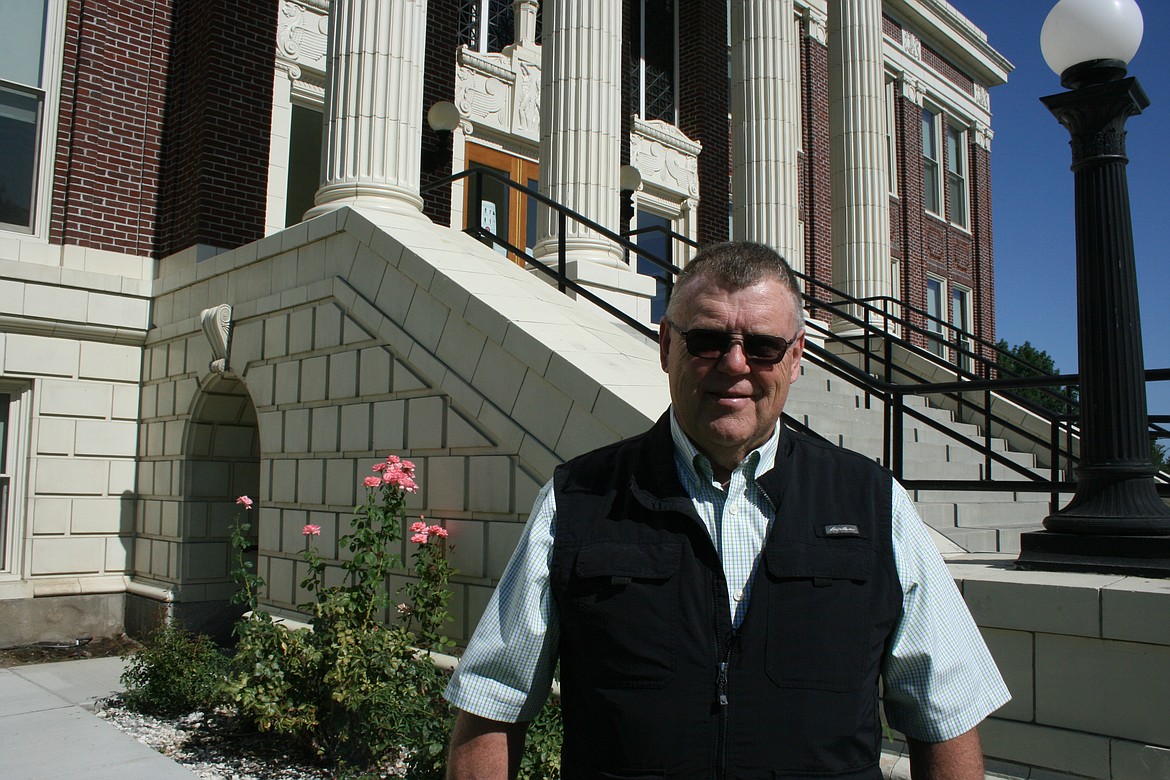
EPHRATA — Grant County commissioner Richard Stevens said it’s the job that matters.
“I believe that the commission has an important job, but I never believed I’m an important person,” Stevens said. He has been a commissioner since 2004, but did not file for reelection this year.
The commission’s first job is to manage the county’s money. “We’re responsible for the budget. That’s our main function, really, is the budget,” he said.
Normally once the budget is done the rest of the year is spent managing the county’s finances. But 2020 isn’t a normal year, and among the many side effects of the COVID-19 outbreak is an anticipated drop in county revenue. Managing that shortfall will require a second look at the budget and spending, and possibly budget cuts. “Those are the hard parts, and the hard decisions,” Stevens said.
Part of money management is managing the county’s reserves. When Stevens took office Grant County had about $3.1 million in reserves, he said. Reserves dipped to about $300,000 in the financial crisis of 2008-09; commissioners have since rebuilt it to between $11.5 million and $14 million. Stevens said in his opinion it’s one of the commission’s major accomplishments during his tenure.
The upgrades at the Grant County Fairgrounds are another important accomplishment, he said. Some of the improvements were paid for with bond issues.
Originally the job of the commissioners was to oversee road construction and road budgets. “It’s morphed into a lot more now,” Stevens said.
Commissioners are responsible for 13 departments in Grant County government, ranging from planning and public works to mental health services. In addition to that, each commissioner is appointed to governing or advisory boards of various agencies. Among other responsibilities, Stevens is a member of the regional Transportation Improvement Board, and is the commission representative to the Grant County Health District.
To keep up with it all requires a lot of knowledge, sometimes specialized knowledge. “You have to become really well versed in three or four things, and just versed in other things,” Stevens said.
Stevens decided to run for commissioner back in 2004, due to a lawsuit that had been filed against Grant County by the American Civil Liberties Union. “I ran because it wasn’t done,” he said, and when he was elected he made it his job to learn about the case. Over time he became an expert, he said. He took the same approach to the appeal by REC Silicon of a property tax valuation.
But while commissioners oversee the county budget, they don’t oversee other elected officials, such as the treasurer, sheriff or auditor. “We’re just part of the pieces of the puzzle,” he said. And the commissioners have no authority at all over towns and cities.
Stevens said the diffusion of power has caused some confusion during his time in office, such as the Soap Lake resident who wanted Stevens to do something about Soap Lake city officials.
“We get a lot of interesting calls,” he said. Some callers are what he called over the top, while others just want someone to listen to their concerns.
Stevens said listening to county residents is part of his job as commissioner, and the commissioners try to return all the phone calls they receive. Stevens said if he listens to people with respect, most respect him in return, even if the response is to turn down their request.
Stevens’ decision to run for commissioner came after he concluded the sitting commissioner wasn’t doing the job very well. He was also looking for something new to do, having decided to pull back from his full-time job as a farmer and rent his land to a relative. (Not that he gave up farming completely – he still worked the farm for about eight years after he joined the commission, he said.)
“I think I can do this job better,” he said of his pitch in his initial campaign. “And I think I did.”
He joined the commission after more than three decades on the board of Quincy-Columbia Basin Irrigation district. In that position he learned that even if he thinks the solution to a problem is obvious, someone else might have a different opinion. The irrigation district board also taught him about personnel and managing the budgets of public agencies, he said.
The commissioner’s job has been enjoyable – but then, every job he’s had has been enjoyable. “I always enjoy everything I do,” he said. “You have to enjoy work or you shouldn’t be doing it.”
Stevens and his fellow commissioners always have worked well together, he said. “We have a good time in our job,” he said. Occasionally, “I used to break out in song,” joining former commissioner Carolann Swartz for a duet.
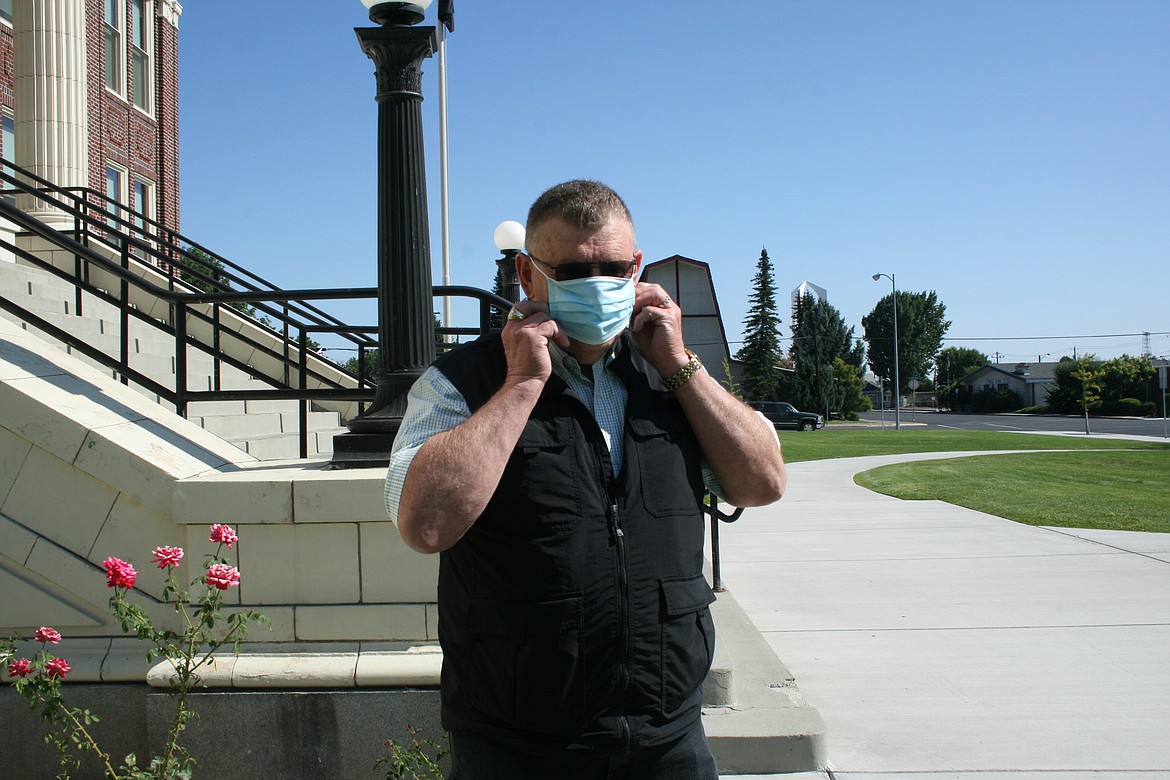
But Stevens, now 73, said that while the job is still fulfilling, interesting and enjoyable, it’s also wearing. He contracted coronavirus earlier this summer, and recovery took a while.
“I just thought it was time (to retire),” he said. In his opinion the ideal age for a county commissioner is 45 to 65 years of age, old enough to have experience but young enough to have the necessary energy. He was raised in Wilson Creek, he said. When he went into business for himself, buying his farm from an aunt and uncle, he stayed close to home. “I only made it 12 miles down the road,” he said. Stevens and his wife recently moved to Ephrata from the family farm.
Cheryl Schweizer can be reached at [email protected].