CBTech summer school dry run for fall classes
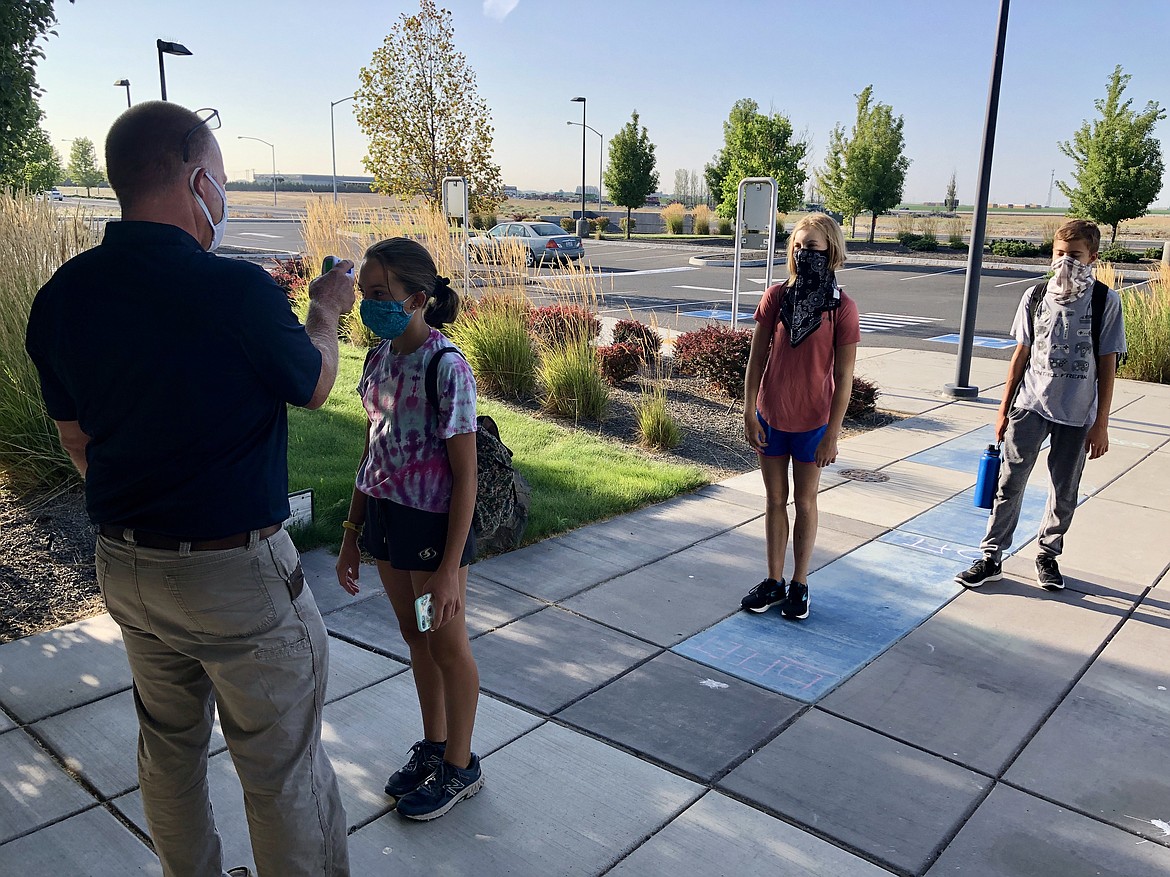
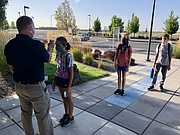
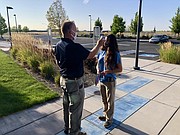
Chad Utter, dean of students and a welding instructor at the Columbia Basin Technical Skills Center, takes students’ temperatures as they prepare to start summer classes at CBTech.
Charles H. Featherstone/Columbia Basin Herald

Chad Utter, dean of students and a welding instructor at the Columbia Basin Technical Skills Center, takes students’ temperatures as they prepare to start summer classes at CBTech.
Charles H. Featherstone/Columbia Basin Herald
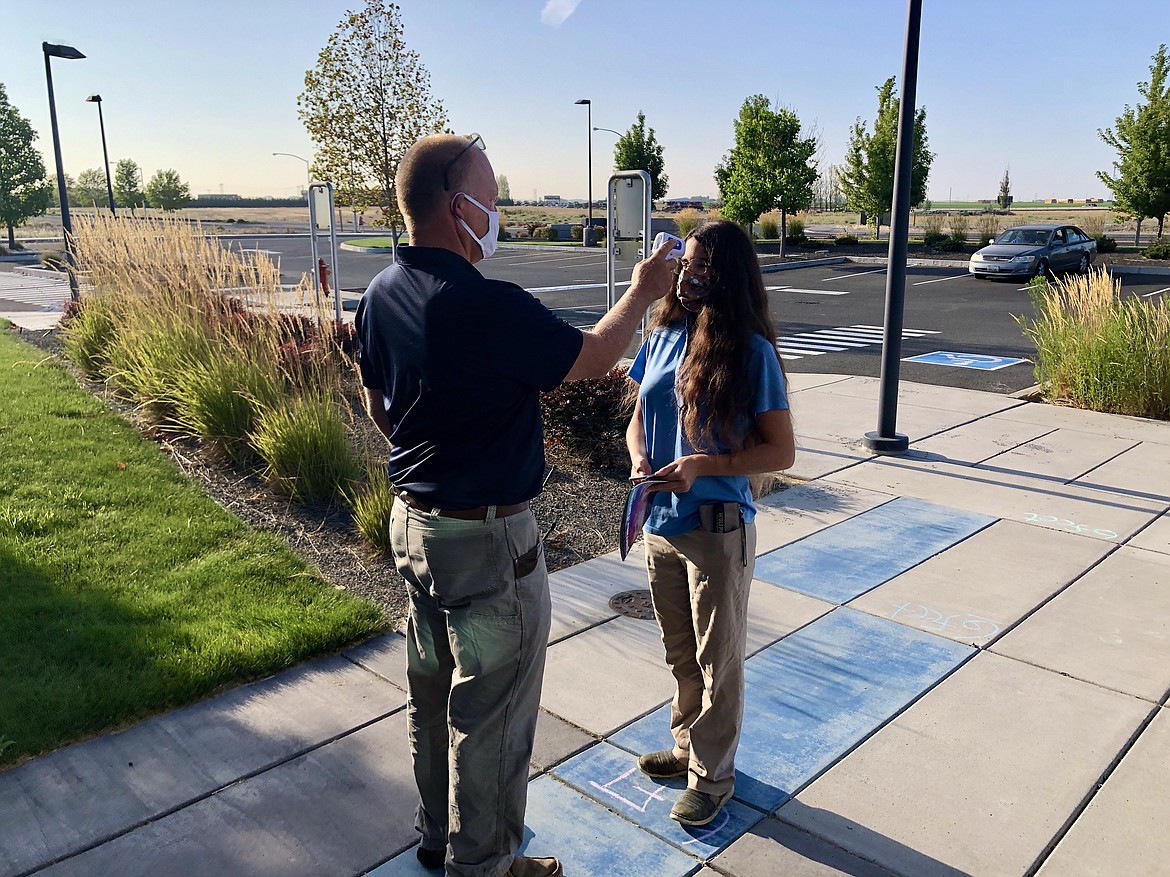
Dean of Students Chad Utter takes junior Maya Armacost-Felton’s temperature on Tuesday morning prior to the start of classes at the Columbia Basin Technical Skills Center. Armacost-Felton is one of 42 students attending two weeks of summer school classes at CBTech this August.
Charles H. Featherstone/Columbia Basin Herald
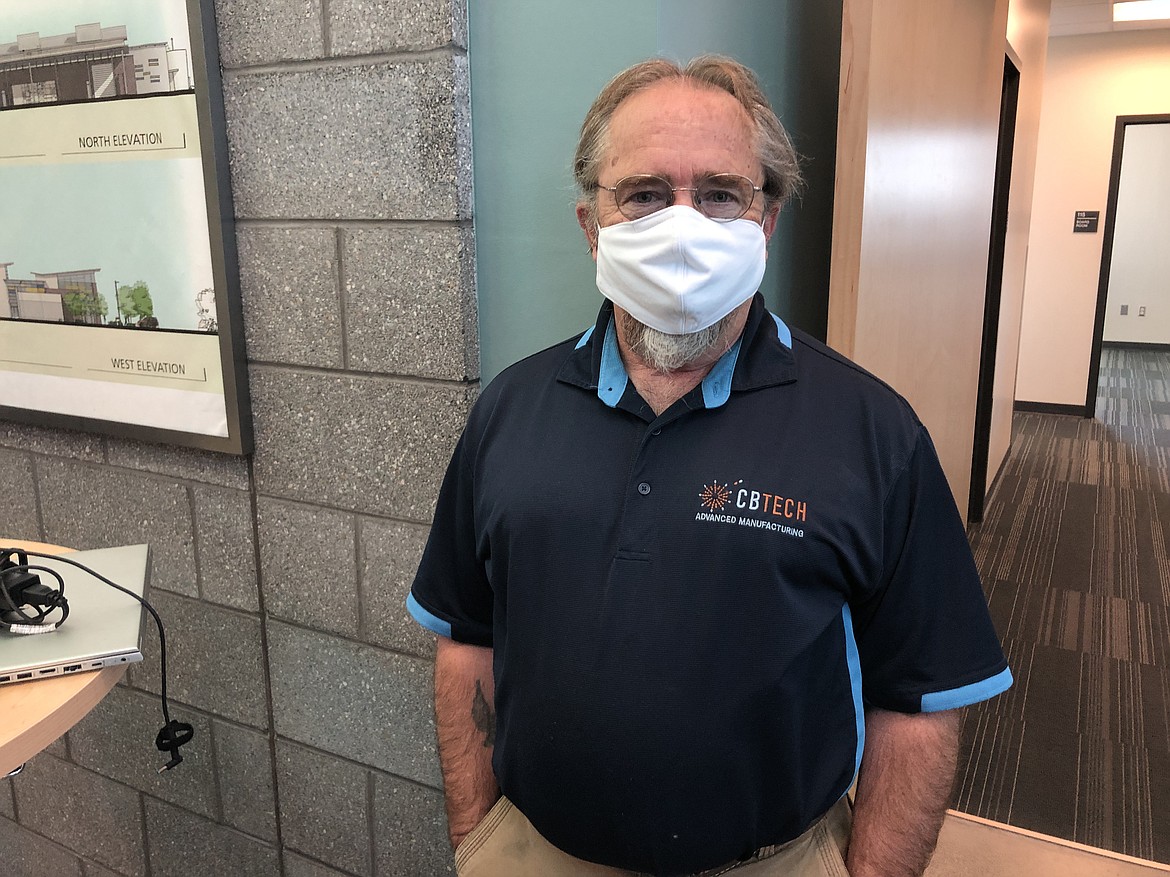
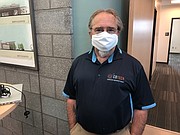
CBTech welding instructor David Oliver says online teaching is actually easier in some ways, but it makes it harder to build relationships with students.
Charles H. Featherstone/Columbia Basin Herald
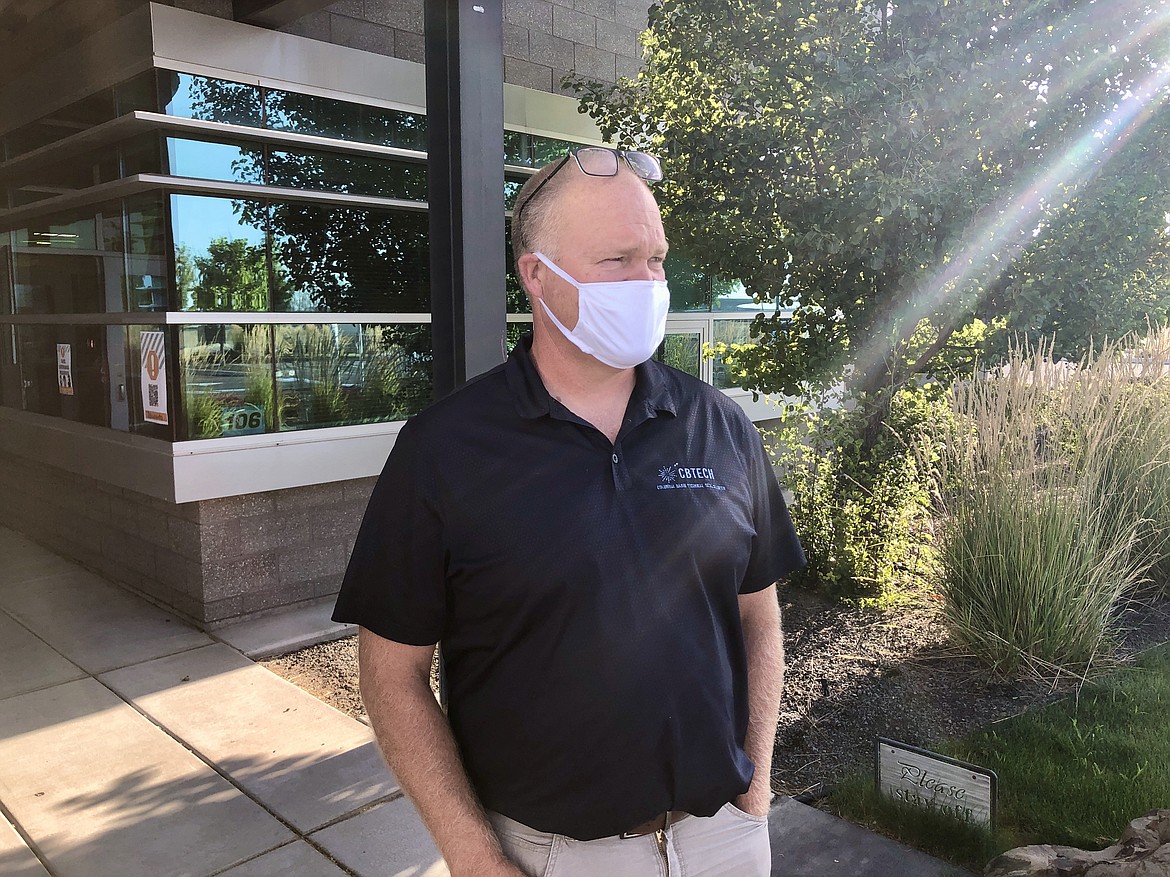
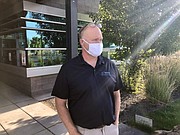
Chad Utter, dean of students and a welding instructor at the Columbia Basin Technical Skills Center.
Charles H. Featherstone/Columbia Basin Herald
MOSES LAKE — With the future of the new school year in some doubt — will it be online, in class, or some combination of both — the state’s skill centers are doing a little experiment with in-class summer school this month.
“In order for vocational schools to work, kids need to get their hands on things,” said Chad Utter, dean of students and a welding instructor at the Columbia Basin Technical Skills Center.
So CBTech, like a number of the state’s 13 other skill centers, is offering two weeks — 90 “fast and furious” hours, Utter said — of summer school for students in the professional medical, welding, criminal justice, culinary, gaming and the new digital arts and film programs.
Utter said each class is capped at 10 students, and total enrollment has reached 42 students under seven instructors, though some classes did not fill.
“It’s better than I expected,” Utter said.
“It’s a little weird, but I’ve been going here almost three years, so it’s nice to be back,” said Maya Armacost-Felton, a junior studying computer coding and video game programming at CBTech.
“We got to start coding the first day, which is actually pretty new,” Armacost-Felton added.
Of course, the school has to maintain all the precautions mandated in our COVID-plagued age — temperature checks before entering school, a staggered start to classes, hand washing, mandatory masks and six-foot social distancing even in class.
Classes run from 8 a.m. to noon, Monday through Thursday for the first two weeks of August, with students taking home assignments and working for the rest of the day at home as well as all-day Friday.
It’s the right number of students to test how being in class works, Utter said. And it’s necessary to keeping something as hands-on as vocational education going.
“If we can’t see kids at least part time, it will kill our program,” he continued. “Some kids are doers. They struggle with reading and other stuff but they are great with their hands.”
“The biggest problem is keeping kids from getting too close to each other,” Utter said. “We’re not running cosmetology because of that.”
According to Carole Meyer, Moses Lake School District assistant superintendent, the two-week summer school is an important test of how districts like Moses Lake will do school in the fall.
“It’s given us an opportunity to practice protocols,” Meyer said. “It will give us a baseline and good feedback on what worked and what didn’t when we get back into session.”
Both Meyer and Utter said the MLSD continues to work closely with the Grant County Health District to make sure all daily tests are in accordance with the state Department of Health guidelines.
“I’m pleasantly surprised at how it’s working, but teachers look forward to the afternoon when they can see and hear their kids,” Utter said. “It’s much harder to get to know the kids with masks on.”
Welding instructor Dave Oliver said the afternoon online sessions actually make communicating with students easier, since it’s often hard to hear kids speaking through cloth masks in loud classrooms full of machinery.
“I send them home with computers,” Oliver said. “They go home and do all their designing at home at night.”
Oliver said he then will use the welding classroom’s powerful water cutter to cut out students’ welding parts the next day, either during the four hours of class time or after students leave at noon. That way, all the pieces for a welding project are ready to put together when students arrive in class, he said.
“There’s no waiting for them; they come in and can go right to work,” Oliver said. “In some respects, it’s better than school.”
But Oliver said it’s also harder to get to know kids when both students and teachers have to wear masks and maintain a physical separation. And that relationship, that connection, between teacher and student is the most important part of school, he noted.
“I don’t think the relationship is as good, because you’re not with them, you’re not working right with them,” Oliver said. “When you’re part of their lives, then they listen to you, they take your advice, and that doesn’t happen unless you have a relationship with them.”
Utter said that so far the short summer school is working out, though he’s not entirely sure 42 students are showing how school can be done for hundreds of kids.
“It works really well for us. I won’t say this is what everyone should be doing, but for the way we run CBTech, it really works,” Utter said. “But I don’t know if we can do this for the school year.”
Charles H. Featherstone can be reached at [email protected]